


Architectural Shingles Guide: Materials, Benefits & Maintenance Tips 2026
Installation & Care
October 13,2025
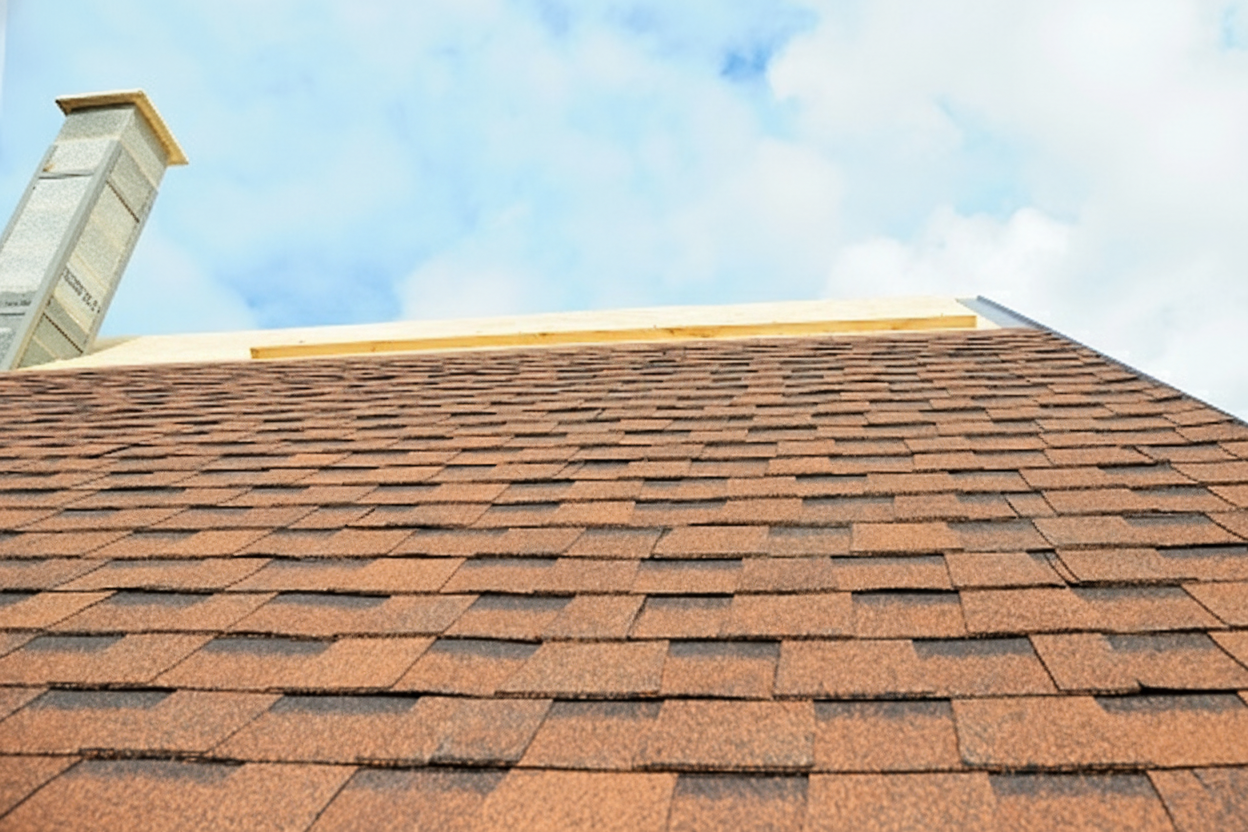
Alt text: Professional roofing contractors installing multi-layered architectural shingles on a residential roof, demonstrating proper installation technique
Choosing the right roofing material can transform your home’s appearance while providing lasting protection. Architectural shingles have become the go-to choice for homeowners who want durability, style, and value in one package. These premium asphalt shingles offer superior weather resistance and can last up to 30 years or more with proper care.
Architectural shingles can increase your home’s resale value by up to 7% compared to standard three-tab shingles, making them a smart investment for long-term homeowners.
If you’re considering architectural shingles for your roof, you’ll want to understand their composition, benefits, and maintenance requirements. This guide covers everything you need to know about selecting and caring for architectural shingles, from material breakdown to seasonal upkeep strategies.
Understanding architectural shingle construction and performance
Architectural shingles, sometimes called dimensional or laminated shingles, are multi-layered asphalt roofing products designed to replicate the look of natural wood shake or slate. Unlike flat three-tab shingles, they feature a textured, three-dimensional appearance that adds depth and character to your roofline.
The construction begins with a heavy-duty fiberglass mat base that provides structural integrity. This mat is saturated with waterproof asphalt and topped with ceramic-coated mineral granules. These granules serve multiple purposes: they protect against UV damage, add color variety, and help reflect heat.
The key difference lies in the layering. Architectural shingles use multiple layers of material laminated together, creating thickness that ranges from 50% to 300% greater than standard shingles. This extra bulk translates directly into improved durability and wind resistance.
| Component | Purpose | Benefit |
|---|---|---|
| Fiberglass mat | Structural base | Strength and flexibility |
| Asphalt coating | Waterproofing | Weather protection |
| Ceramic granules | UV/color protection | Longevity and aesthetics |
| Laminated layers | Dimensional look | Enhanced durability |
Most architectural shingles come with warranties ranging from 25 to 50 years, though actual lifespan depends on several factors. In moderate climates, you can expect 30 to 50 years of service. However, extreme weather, poor ventilation, and inadequate maintenance can shorten this considerably.
Impact-resistant varieties often carry Class 4 ratings, meaning they can withstand 2-inch hail without damage. Hurricane-rated options feature enhanced wind resistance up to 130 mph, making them ideal for coastal regions.
Installing architectural shingles typically costs 20-40% more than three-tab shingles initially, but their extended lifespan means lower cost per year of service.
Why homeowners choose architectural shingles
The popularity of architectural shingles stems from their ability to deliver on multiple fronts. They combine practical performance with visual appeal, offering benefits that standard shingles simply cannot match.
The thick, multi-layer construction provides excellent defense against rain, snow, and wind. When properly installed, architectural shingles create an interlocking barrier that prevents water infiltration. The added weight also means they stay put during storms, with many products rated for winds up to 110-130 mph.
Their thermal properties help too. The ceramic granules reflect solar radiation, reducing heat absorption into your attic. This can lower cooling costs by 10-15% during summer months, especially when combined with proper attic ventilation.
Architectural shingles offer dimensional texture that creates shadow lines across your roof. This visual depth makes roofs appear more substantial and premium. Available in dozens of color options, from traditional grays and browns to modern blues and greens, they complement any architectural style.
Popular color choices can coordinate with your home’s exterior, enhancing overall aesthetic harmony. Real estate professionals consistently note that homes with architectural shingles sell faster and command higher prices than comparable homes with basic shingles.
While the upfront investment is higher, the total cost of ownership often favors architectural shingles. Consider these factors:
- Longer lifespan means fewer replacement cycles
- Better warranty coverage reduces repair costs
- Energy savings from reflective properties
- Increased home value at resale
- Lower insurance premiums in some areas
Regular removal of leaves, branches, and debris prevents moisture buildup that can lead to premature shingle deterioration and wood rot underneath.
Essential maintenance practices for longevity
Proper maintenance extends the life of your architectural shingles and protects your investment. A proactive approach prevents small issues from becoming expensive problems.

Plan to inspect your roof twice yearly, ideally in spring and fall. Following a regular maintenance schedule helps you catch damage early. Look for these warning signs:
- Missing, cracked, or curling shingles
- Granule loss in gutters or downspouts
- Damaged or loose flashing around vents and chimneys
- Sagging areas or visible moisture stains
- Signs of algae or moss growth
After severe weather events, perform additional spot checks. Even hurricane-rated shingles can sustain damage from flying debris or extreme conditions.
In humid climates, dark streaks often appear on shingle roofs. These are typically caused by algae (Gloeocapsa magma) that feeds on the limestone filler in asphalt shingles. While not immediately damaging, algae growth reduces reflectivity and can retain moisture.
Preventive measures include:
- Installing zinc or copper strips along ridge caps
- Trimming overhanging tree branches to increase sunlight
- Keeping gutters clean to prevent water backup
- Using algae-resistant shingle products
- Applying appropriate cleaning solutions when needed
Never use a pressure washer on architectural shingles, as the high-pressure stream can damage granules and shorten shingle life.
While you can handle basic visual inspections, hiring a professional roofing contractor every 3-5 years provides thorough assessment. Professionals can identify issues invisible from ground level, such as granule loss, subtle cracking, or improper ventilation.
When repairs are needed, address them promptly. Delaying repairs allows water infiltration that can damage roof decking, insulation, and interior ceilings. Most architectural shingle repairs are straightforward when caught early but become complex and expensive when neglected.
Making the right choice for your home
Architectural shingles represent a significant upgrade over basic roofing options. Their combination of durability, aesthetic appeal, and long-term value makes them an excellent choice for most homes. The initial investment pays dividends through decades of reliable protection and enhanced curb appeal.
When selecting architectural shingles, consider your climate, home style, and budget. Class 4 impact-resistant options make sense in hail-prone areas, while enhanced wind ratings are essential for coastal properties. Work with experienced contractors who understand proper installation techniques and local building codes.
At Foxhaven, we specialize in helping homeowners select and install the perfect roofing solution for their needs. Our team brings decades of experience to every project, ensuring your new roof delivers the performance and beauty you expect. Whether you’re building new or replacing an aging roof, we’re here to guide you through every decision.
Ready to upgrade your roof with premium architectural shingles? Contact Foxhaven today to schedule a consultation and discover how we can enhance your home’s protection and value.
FAQ
How long do architectural shingles typically last?
Are architectural shingles worth the extra cost compared to three-tab shingles?
What maintenance do architectural shingles require?
