


Best GAF Shingle Colors for Your Home in 2026
Installation & Care
October 4,2025
Alt text: Professional showing GAF shingle color samples to homeowner during consultation
Choosing the right shingle color can transform your home’s appearance and boost its value. GAF offers premium roofing shingles in colors that blend durability with stunning aesthetics. Whether you prefer warm earth tones or sleek modern grays, the right choice enhances your curb appeal while protecting your investment for decades.
Key insight: The shingle color you choose can increase your home’s resale value by up to 7% while reflecting your personal style.
This guide explores the top GAF shingle colors for 2026, helping you select options that complement your home’s architecture and stand the test of time.
Why GAF shingles deliver quality and style
GAF has earned its reputation as North America’s largest roofing manufacturer through relentless commitment to excellence. Every shingle undergoes rigorous testing to withstand extreme weather, from scorching heat to freezing temperatures and heavy storms.
What sets GAF apart is the combination of protection and beauty. You get architectural shingles engineered for performance, available in colors and textures that elevate any home style. From traditional colonials to contemporary designs, GAF provides options that enhance your home’s character.
The manufacturing process uses premium materials and advanced technology, ensuring each shingle maintains its color and integrity for years. When you invest in GAF, you invest in peace of mind.
Top 4 GAF shingle colors for 2026
These four colors lead the trends for 2026, offering versatility and timeless appeal:
Weathered Wood
This warm, earthy option mimics aged cedar with natural brown tones and subtle highlights. Weathered Wood creates a welcoming, rustic charm that works beautifully with stone accents, wood siding, and traditional architecture. The multi-dimensional color adds depth and character to your roofline.
Charcoal
For homeowners seeking bold sophistication, Charcoal delivers dramatic impact. These deep gray tones create striking contrast against lighter exteriors, making your roof a standout feature. Charcoal pairs exceptionally well with modern farmhouse styles and contemporary designs, offering a sleek, refined aesthetic.
Pro tip: Charcoal shingles can reduce cooling costs by reflecting more heat than darker black options while maintaining a bold appearance.
Pewter Gray
Pewter Gray strikes the perfect balance between classic and contemporary. This versatile mid-tone gray complements virtually any exterior color scheme, from crisp whites to warm beiges and cool blues. It is a safe choice that never looks dated, making it ideal if you plan to sell your home in the future.
Many homeowners compare Pewter Gray versus Charcoal shingles when deciding between subtle elegance and bold statements.
Barkwood
Barkwood brings warmth with rich brown hues accented by red and gold undertones. This color adds dimension and coziness to your exterior, working beautifully with brick, stone, and earth-tone siding. Barkwood creates an inviting atmosphere that makes your house feel like home.
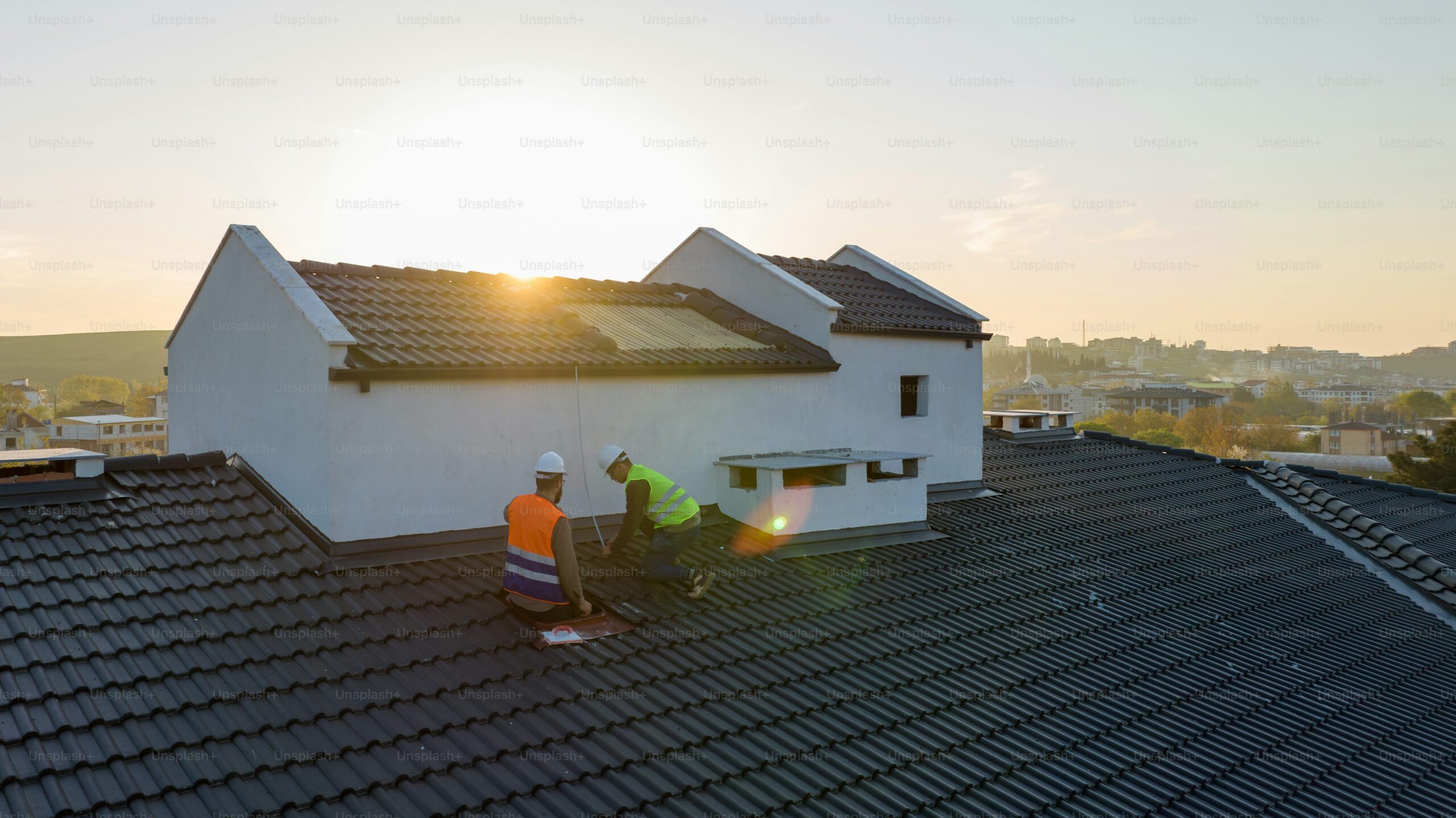
Alt text: Roofing crew installing quality GAF shingles on residential property
How to choose your perfect shingle color
Selecting the right color involves more than personal preference. Consider these factors:
Match your home’s architecture. Traditional homes often look best with classic colors like Weathered Wood or Pewter Gray, while modern designs can handle bolder choices like Charcoal.
Evaluate existing features. Look at your siding, trim, brick, and stone. Your shingle color should harmonize with these elements rather than clash. Request samples and view them against your exterior in different lighting conditions.
Think about climate. Lighter colors reflect heat better in warm climates, potentially reducing cooling costs. Darker colors absorb heat, which can help in colder regions.
Consider resale value. Neutral colors like Pewter Gray appeal to broader audiences if you plan to sell within a few years.
Use visualization tools. Many manufacturers offer digital tools that let you preview colors on your home. Request physical samples to see how they look in morning, afternoon, and evening light.
Important note: Order samples of your top two or three choices and observe them on your property for at least a full day before making your final decision.
| Color Choice | Best For | Climate Consideration |
|---|---|---|
| Weathered Wood | Traditional homes | Moderate climates |
| Charcoal | Modern designs | Cooler regions |
| Pewter Gray | Any style | All climates |
| Barkwood | Rustic/cozy aesthetic | Moderate climates |
Understanding how long shingles last helps you appreciate why color choice matters for the long term. Quality GAF shingles maintain their appearance for 25-30 years or more with proper care.
Protecting your investment with quality installation
Even the best shingles need proper installation to perform correctly. Working with certified contractors ensures your roof meets manufacturer specifications and qualifies for warranty protection. Proper shingle installation techniques make the difference between a roof that lasts decades and one that fails prematurely.
Regular maintenance extends your roof’s life and keeps it looking fresh. Follow a shingle roof maintenance checklist to catch small issues before they become expensive problems. Simple steps like clearing debris and inspecting for damage protect your investment.
Consider impact-resistant shingles if you live in areas prone to hail or severe weather. These upgraded options provide extra protection while maintaining the beautiful colors you love.
FAQ
What is the most popular GAF shingle color?
How do I know if Charcoal or Pewter Gray is better for my home?
Do darker shingle colors cost more than lighter ones?
