


Class 4 Impact Resistant Shingles Benefits and Costs
Installation & Care
October 1,2025
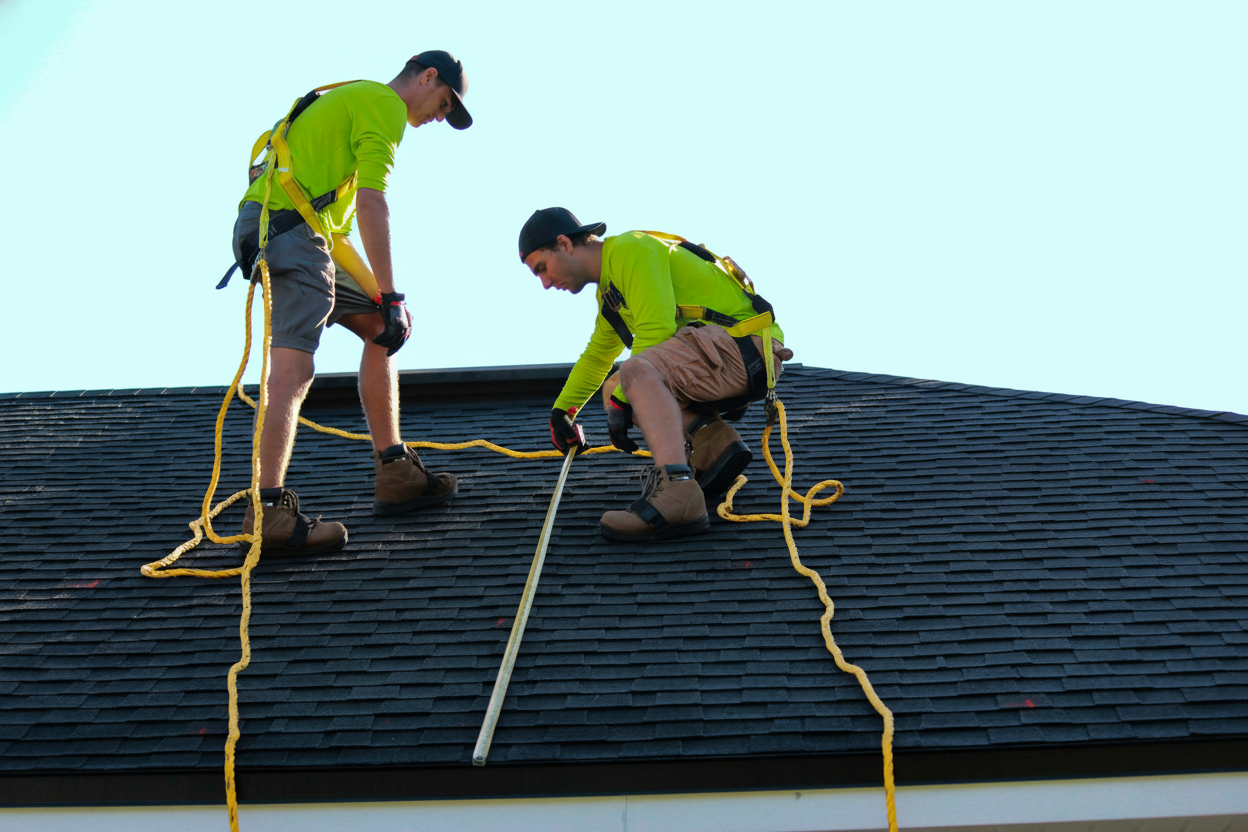
Alt text: Professional roofing contractors installing Class 4 impact-resistant shingles on residential home with workers visible
Your roof is your home’s first line of defense against extreme weather. If you live in an area prone to hailstorms, heavy winds, or severe weather events, you need roofing materials that can handle the challenge. Class 4 impact resistant shingles offer the highest level of protection available, and they might be exactly what your home needs.
Class 4 shingles earn the highest impact resistance rating in the industry, withstanding hail up to 2 inches in diameter without sustaining damage.
In this guide, you’ll discover what makes Class 4 shingles different, the typical impact resistant roof cost, and whether they’re the right investment for your home. Let’s explore why these impact resistant shingles are becoming the go-to choice for homeowners who want lasting protection.
What makes Class 4 shingles different
Class 4 shingles, also known as impact resistant shingles, represent the gold standard in roofing durability. These specialized shingles undergo rigorous testing where a 2-inch steel ball is dropped from 20 feet onto the shingle surface. To earn the Class 4 rating, the shingles must show no signs of cracking or tearing.
The secret lies in their construction. Most Class 4 shingles feature a reinforced layer, often made with SBS (styrene-butadiene-styrene) modified asphalt. This rubberized compound gives the shingles flexibility and strength that standard asphalt shingles simply cannot match.
Unlike 3-tab or architectural shingles that might crack under hail impact, Class 4 shingles absorb and disperse the energy. This makes them ideal for regions with frequent severe weather.
Benefits that go beyond weather protection
Class 4 shingles deliver value that extends far past their ability to withstand hail. Here’s what you gain when you choose these premium roofing materials:
Extended lifespan and durability
These shingles typically last 30 years or more, significantly outlasting standard options. The reinforced construction resists common issues like granule loss and weathering that plague traditional shingles.
Insurance discounts that add up
Many insurance providers offer premium discounts ranging from 10% to 35% when you install Class 4 shingles. These savings can offset your initial investment over time. Contact your insurance agent to learn about available discounts in your area, and ask whether a roof inspection for insurance discounts is needed to document the new roof.
Homeowners with Class 4 shingles often see their insurance premiums drop by 20% to 35%, which can mean hundreds of dollars in annual savings.
Increased home value
When you decide to sell, buyers recognize the value of a roof that won’t need replacement for decades. A Class 4 roof can be a strong selling point that sets your home apart.
Superior wind resistance
These shingles also excel at staying put during high winds. Many Class 4 options resist winds up to 130 mph, making them comparable to hurricane-rated shingles in performance.
Energy efficiency options
Some Class 4 shingles come with reflective granules that help reduce cooling costs. By reflecting more sunlight, they keep your attic cooler and reduce the strain on your air conditioning system.

Alt text: Homeowners inspecting their new Class 4 hail-resistant roof installation with contractor
Understanding the investment and costs
Class 4 shingles cost more upfront than standard asphalt shingles, but the investment pays dividends over time. Here’s what you need to know about pricing:
| Cost Factor | Standard Shingles | Class 4 Shingles |
|---|---|---|
| Material cost per square | $90-$150 | $120-$200 |
| Installation premium | Standard | 10-15% higher |
| Average lifespan | 20-25 years | 30+ years |
| Insurance discount | Limited | 10-35% |
The material costs for Class 4 shingles typically run 20% to 40% higher than standard options. For an average 2,000 square foot home, expect to pay an additional $1,500 to $3,000 for Class 4 materials.
Installation also costs slightly more because proper installation techniques are critical for maintaining the warranty and performance. However, when you factor in the longer lifespan and insurance savings, Class 4 shingles often cost less per year of protection.
Top Class 4 shingle brands to consider
Several manufacturers produce quality Class 4 shingles. Leading options include GAF Timberline HDZ, Owens Corning Duration Storm, CertainTeed Landmark IR, and Malarkey Legacy. Each offers slightly different benefits in terms of color options, warranty coverage, and specific features.
For guidance on selecting the right brand and style, explore our recommendations for the best roof shingles on the market.
Installation considerations for maximum protection
Proper installation is just as important as choosing quality shingles. Even the best Class 4 shingles will underperform if installed incorrectly. Here are key factors your roofing contractor should address:
Roof deck preparation
Your contractor should inspect the roof deck for damage, rot, or weakness before installation. Class 4 shingles are slightly heavier than standard options, so the deck must be structurally sound. Learn more about roof sheathing requirements for proper support.
Quality underlayment matters
Pair your Class 4 shingles with a high-quality synthetic underlayment for additional water protection. This combination creates multiple layers of defense against moisture intrusion.
When calculating true cost, divide your total investment by the expected lifespan. Class 4 shingles often deliver better value per year than cheaper alternatives that need earlier replacement.
Proper ventilation prevents problems
Adequate attic ventilation prevents heat and moisture buildup that can shorten your roof’s lifespan. Poor ventilation can void your shingle warranty, so this step cannot be skipped.
Attention to flashing and details
All roof penetrations, valleys, and edges need proper flashing installation. These vulnerable areas require extra attention to prevent leaks. Understanding where to nail shingles correctly is also essential for wind resistance.
Regular maintenance extends lifespan
While Class 4 shingles are highly durable, they still benefit from routine care. Follow a regular shingle roof maintenance schedule to catch minor issues before they become major problems.
FAQ
How long do Class 4 shingles last compared to standard shingles?
Will Class 4 shingles really lower my insurance premiums?
Are Class 4 shingles worth the extra cost?
