


3-Tab vs Architectural Shingles: Complete 2026 Comparison Guide
Installation & Care
October 2,2025
Alt text: Homeowner and contractor comparing different shingle samples and discussing roofing options
Choosing between 3-tab and architectural shingles impacts your home’s protection, appearance, and long-term value. Each shingle type offers distinct advantages depending on your budget, climate, and aesthetic goals. This guide walks you through the key differences so you can make a confident roofing decision.
Did you know? Architectural shingles can last up to 50 years, which is more than double the lifespan of traditional 3-tab shingles.
Understanding 3-tab and architectural shingles
3-tab shingles represent the traditional asphalt roofing option. They feature a flat, uniform appearance with three equally sized tabs per shingle. Made from a single layer of asphalt and fiberglass reinforcement, these shingles offer straightforward protection at an accessible price point.
Architectural shingles (also called dimensional or laminated shingles) bring a premium approach to roofing. They use multiple layers of material to create depth and texture. This construction method produces a more substantial shingle that mimics the look of natural materials like wood shake or slate.
The choice between these two options affects more than just your initial investment. It influences your home’s curb appeal, maintenance needs, and long-term roofing costs. Understanding what shingles are made of helps you appreciate why these differences matter.
Key differences that impact your decision
When comparing 3-tab vs architectural shingles, several factors stand out:
Durability and lifespan
3-tab shingles typically last 15-20 years with proper maintenance. Architectural shingles extend that range to 25-50 years. This difference comes from the thicker construction and higher-quality materials used in architectural options. If you’re wondering how long do shingles last, the type you choose plays a major role.
Weather resistance
Wind ratings tell an important story. 3-tab shingles usually withstand winds up to 60-70 mph. Architectural shingles often carry ratings of 110-130 mph or higher. For coastal areas or storm-prone regions, this difference provides crucial protection. Consider exploring hurricane-rated shingles if you live in high-wind zones.
Important consideration: Your local climate should heavily influence your shingle choice. Areas with severe weather benefit significantly from architectural shingles.
Appearance and home value
Architectural shingles create dimensional depth that enhances curb appeal. The textured look adds visual interest and can increase your home’s resale value. 3-tab shingles provide a clean, traditional appearance that works well for simpler home styles or budget-conscious projects.
Installation requirements
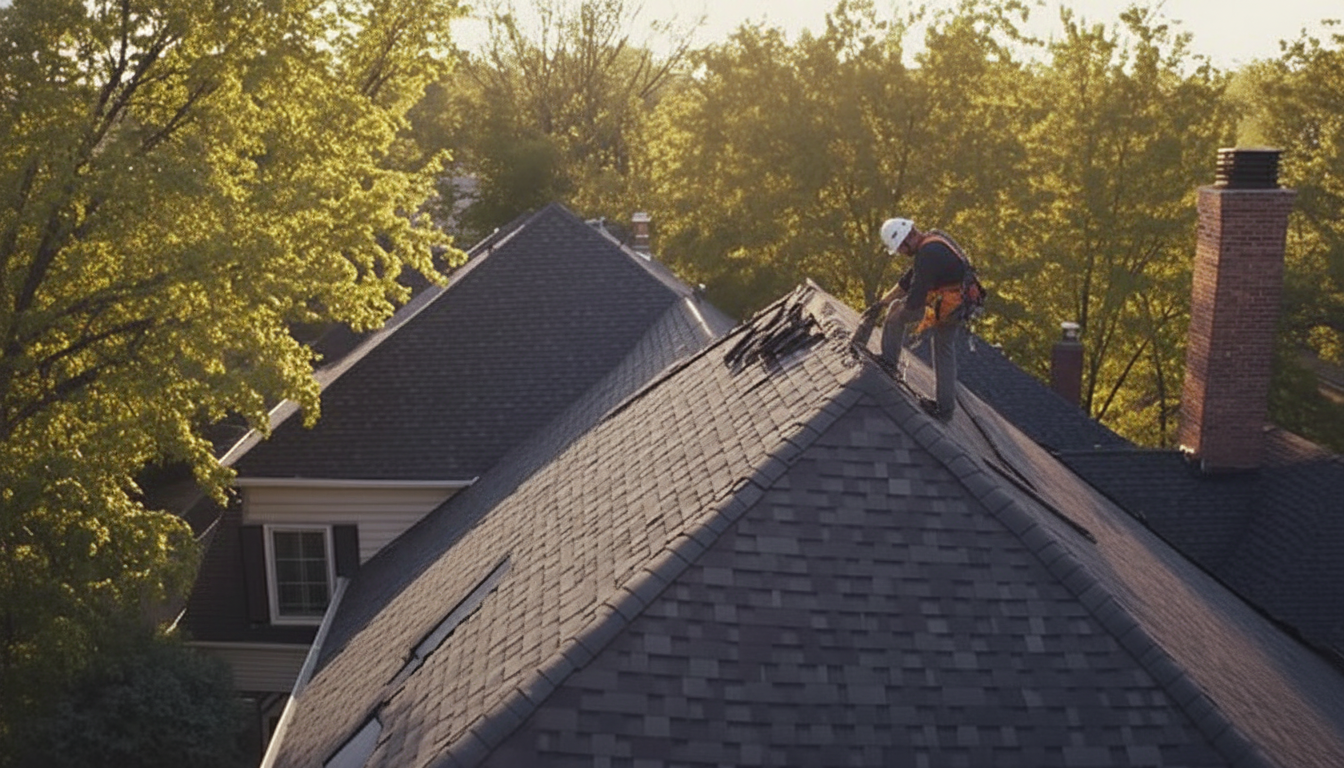
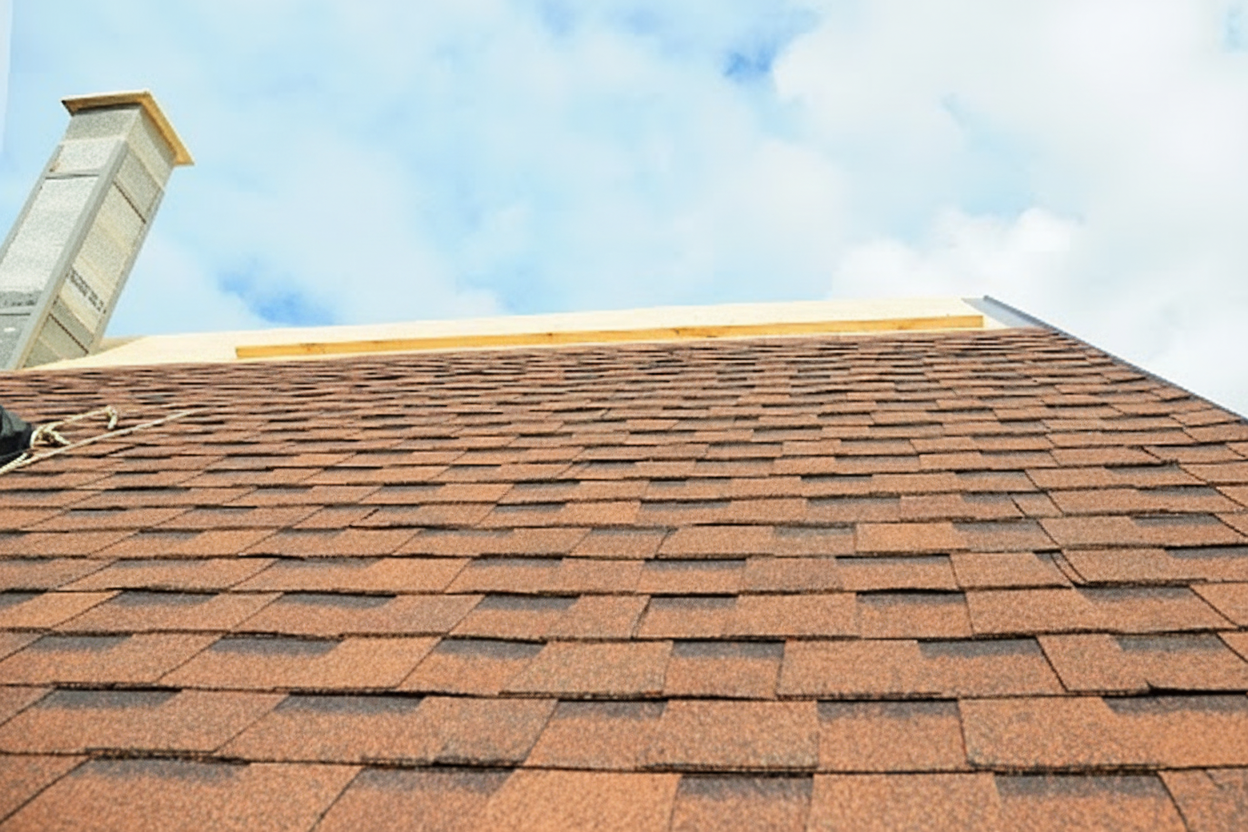
Both shingle types follow similar installation processes, but architectural shingles weigh more. Your roof structure needs adequate support for the additional weight. A professional assessment ensures your home can handle the load.
Alt text: Professional roofing crew installing architectural shingles on a residential home
Cost analysis and long-term value
Upfront costs differ noticeably between these shingle types:
| Feature | 3-Tab Shingles | Architectural Shingles |
|---|---|---|
| Material cost per sq ft | $2-$3 | $4-$5 |
| Average lifespan | 15-20 years | 25-50 years |
| Wind resistance | 60-70 mph | 110-130 mph |
| Warranty coverage | 20-25 years | 30-50 years |
3-tab shingles cost less initially, making them attractive for tight budgets or temporary structures. However, the math changes when you factor in longevity. Replacing a 3-tab roof twice during the lifespan of one architectural roof eliminates much of the savings.
Architectural shingles typically require less frequent repairs. Their robust construction handles weather stress better. Proper maintenance extends the life of any roof, but architectural shingles start with a durability advantage.
Budget tip: Calculate total cost over 30-40 years, not just installation day. Architectural shingles often prove more economical long-term.
Energy efficiency also factors into value. Many architectural shingles come with reflective technology that reduces cooling costs. This feature matters especially in warm climates where air conditioning drives up utility bills.
Making the right choice for your home
Your specific situation determines which shingle type makes sense:
Choose 3-tab shingles when:
– Budget constraints limit your options
– You’re roofing a shed, garage, or rental property
– Your climate features mild weather year-round
– You plan to replace the roof within 15-20 years anyway
– Simple aesthetics match your home’s style
Choose architectural shingles when:
– You want maximum durability and longevity
– Your area experiences severe weather or high winds
– Curb appeal and home value matter to you
– You prefer a premium, textured appearance
– Long-term value outweighs upfront cost
Consider impact-resistant shingles if hail damage concerns you. These specialized options provide extra protection in storm-prone areas.
Color selection matters too. Whether you choose GAF shingle colors or Owens Corning options, architectural shingles typically offer more variety.
Don’t overlook ridge cap shingles in your planning. These specialized pieces protect vulnerable roof peaks regardless of which main shingle type you select.
Both shingle types require professional installation for optimal performance. Proper technique ensures your warranty remains valid and your roof performs as designed. When planning your project, knowing how to measure a roof for shingles helps you understand material quantities.
The right choice balances your immediate budget with long-term goals. Consider how long you plan to own your home, local weather patterns, and your aesthetic preferences. A quality roof protects your biggest investment, so choose wisely.
FAQ
What is the main difference between 3-tab and architectural shingles?
Are architectural shingles worth the extra cost?
Can I install architectural shingles over existing 3-tab shingles?
