


What Are Roof Shingles Made Of? Complete Material Guide 2026
Installation & Care
October 17,2025
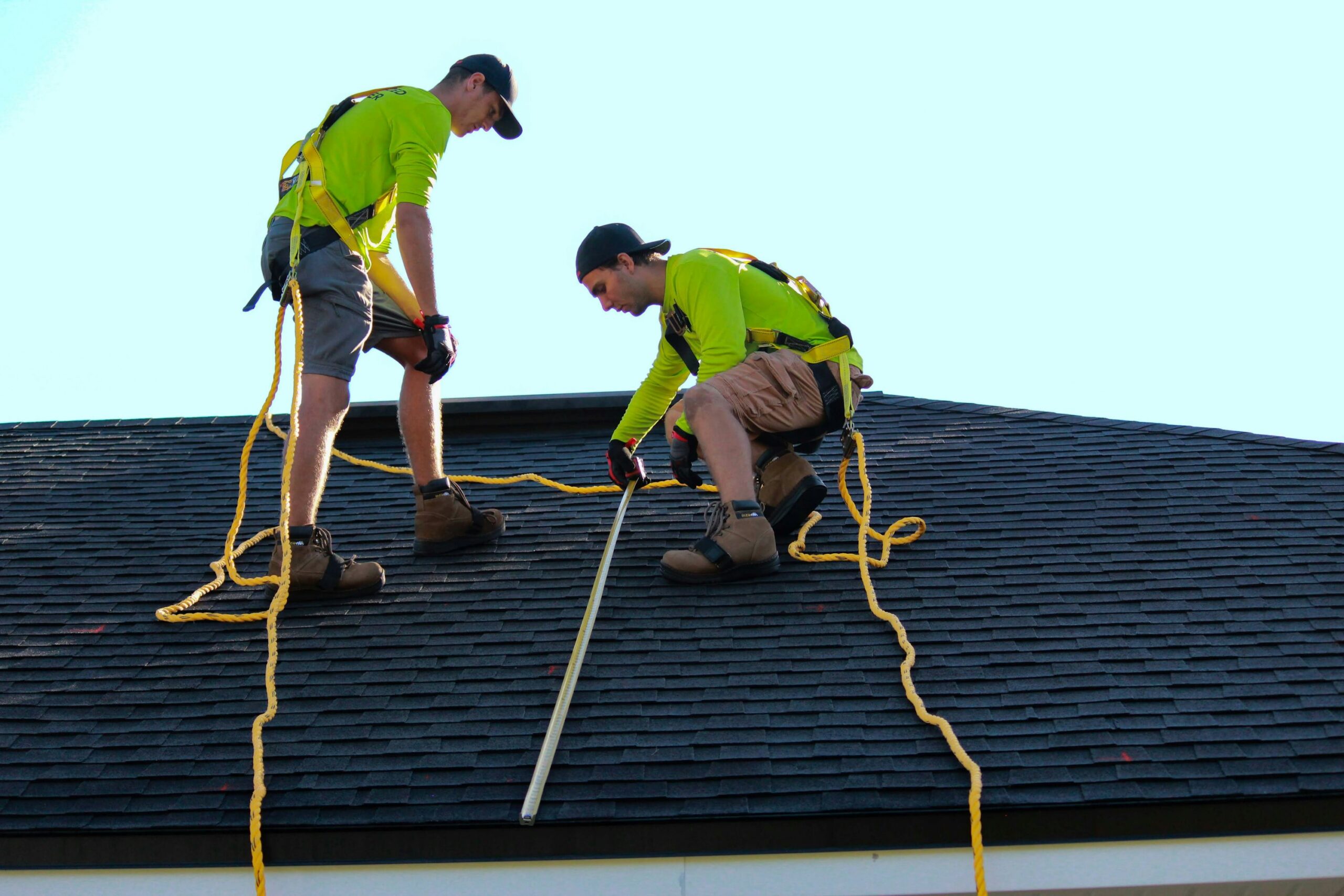
Alt text: Professional roofers installing asphalt shingles on a residential roof, demonstrating proper material handling and installation techniques
If you own a home in the United States, chances are your roof is covered with asphalt shingles. These popular roofing materials protect over 80% of American homes, and for good reason. They offer an unbeatable combination of affordability, durability, and versatility that makes them the go-to choice for homeowners nationwide.
[!NOTE]
Understanding what your roof shingles are made of helps you make informed decisions about maintenance, repairs, and eventual replacement. This knowledge can save you thousands of dollars over your roof’s lifetime.
But what exactly goes into making these protective layers that shield your home from rain, wind, and sun? Let’s break down the five key components that make asphalt shingles one of the most reliable roofing materials available today.
The five core materials in asphalt shingles
Asphalt shingles come in several styles, including 3-tab, architectural (dimensional), and luxury varieties. While each type offers different aesthetic appeal and durability levels, they all share the same fundamental composition. Here’s what makes up every asphalt shingle on your roof:
Fiberglass mat foundation
The manufacturing process starts with a thin fiberglass mat that serves as the structural backbone of each shingle. This foundation layer is created from precisely measured glass fibers that are bound together using stable resins and specialized binders.
The fiberglass mat gets wound into massive rolls at the factory, then unwound at the start of the shingle production line. This continuous web process ensures consistent quality and provides the reinforcement that gives modern shingles their impressive strength and flexibility. Without this foundation, the other materials would have nothing to adhere to.
Asphalt coating
Asphalt is the star ingredient that gives these shingles their name and waterproofing abilities. This petroleum byproduct undergoes a specialized treatment process before it’s ready for roofing applications.
Manufacturers blow air through heated asphalt to oxidize it, which increases its viscosity and toughness. Then they mix in fine mineral powder to boost weather resistance and fire protection. This creates a mineral-fortified asphalt coating that gets applied to both sides of the fiberglass mat.
The oxidation process requires precise control. Too much air makes shingles brittle and prone to cracking. Too little leaves them soft and vulnerable to damage. Quality manufacturers have perfected this balance over decades of experience.
[!TIP]
When choosing between 3-tab and architectural shingles, the asphalt coating thickness makes a significant difference in longevity. Architectural shingles use more asphalt, which is why they typically last 30+ years compared to 20 years for 3-tab versions.
Protective granules
Those colorful stone pieces covering your shingles do much more than make your roof look attractive. Granules are crushed rock particles that have been carefully sized and processed to protect the asphalt layer beneath.
Manufacturers apply granules in two distinct areas. The unexposed portions of each shingle receive natural-colored granules, while the visible sections get granules that have been ceramic-fired to create lasting color. This firing process locks in pigments that resist fading for decades.
Modern shingles often feature specialized granules with algae-resistant copper compounds, reflective properties to bounce back UV rays, and impact-resistant materials that protect against hail damage. These protective particles serve as your roof’s first line of defense against weather, UV radiation, and physical impacts. When you notice granule loss in your gutters, it’s often the first sign your shingles are aging.
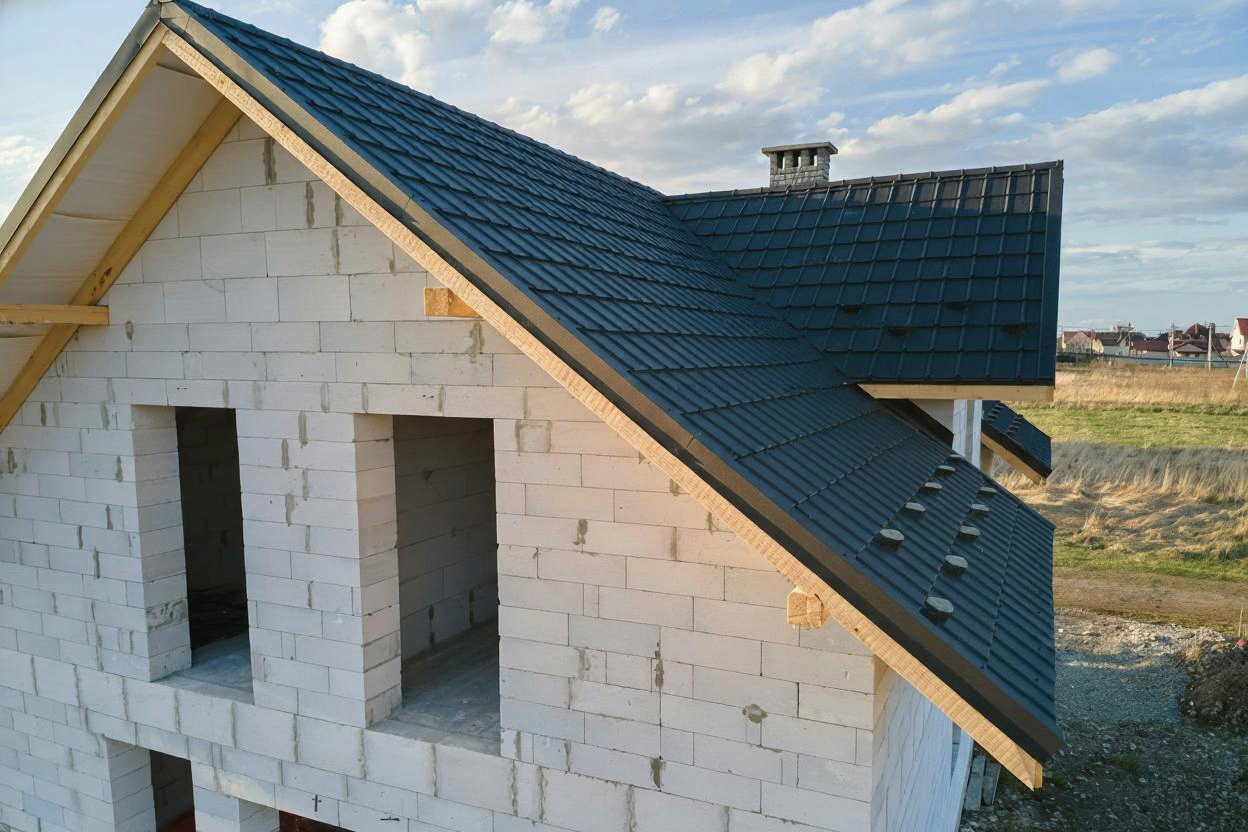
Alt text: Roofing contractor examining the granule composition and layers of asphalt shingles during quality inspection
Thermally activated sealant
Asphalt shingles need to bond together once installed to create a weathertight seal. That’s where thermally activated sealant comes in. This adhesive gets applied during manufacturing and activates when exposed to solar heat after installation.
The sealant serves multiple purposes throughout the shingle’s life. During production, it includes a back surfacing treatment that prevents the rolled shingles from sticking together in storage. After installation, it bonds each shingle to the one below it, creating a unified protective barrier.
Installation location determines sealant placement. Shingles near roof edges need sealant on the bottom only, while those higher up require it on both surfaces for proper adhesion. This careful application is one reason why proper shingle installation techniques matter so much.
Release film backing
The final component is a narrow strip of plastic-like release film applied to each shingle’s back. This film prevents premature bonding while shingles sit in their packaging, waiting for installation.
You’ll see this shiny backing when you open a bundle of shingles. It stays on the shingle after installation and doesn’t need removal. In fact, attempting to peel it off is a common mistake that wastes time and can damage the shingle.
The release film only does its job while shingles remain bundled. Once installed and exposed to sunlight, the thermally activated sealant works through and around the film to create proper bonds between shingle layers.
Comparing shingle material quality
Not all asphalt shingles are created equal. Understanding the differences helps you make smarter choices when selecting the best roof shingles for your home.
| Shingle Type | Asphalt Thickness | Expected Lifespan | Warranty Coverage |
|---|---|---|---|
| 3-Tab | Standard | 20-25 years | 25-30 years |
| Architectural | Enhanced | 30-40 years | 30-50 years |
| Luxury | Premium | 40-50 years | Lifetime |
| Impact-Resistant | Reinforced | 30-45 years | 30-50 years |
[!IMPORTANT]
Climate matters when choosing shingle materials. Homes in hurricane zones benefit from impact-resistant shingles with reinforced construction, while those in hot climates need reflective granules to manage heat.
Material considerations for longevity
The quality of materials directly impacts how long your roof will protect your home. Premium shingles use thicker asphalt coatings, heavier fiberglass mats, and more granules per square foot.
You’ll also want to consider specialized features based on your location. Coastal homeowners should explore hurricane-rated shingles with enhanced wind resistance. Those in regions prone to algae growth will appreciate algae-resistant granules that prevent black streaks from developing.
Proper maintenance extends the life of any shingle material. Following a regular shingle roof maintenance checklist helps you catch small issues before they become expensive problems. Pay special attention to your ridge cap shingles, as these take the most abuse from weather.
When measuring for a roof replacement, understanding shingle composition helps you calculate material needs accurately. Learn how to measure your roof for shingles to ensure you order the right quantity.
FAQ
