

How to Prevent Black Streaks on Your Roof in 2025
Installation & Care
Shingle Roofing Selection
October 12,2025
How to Prevent Black Streaks on Your Roof in 2025
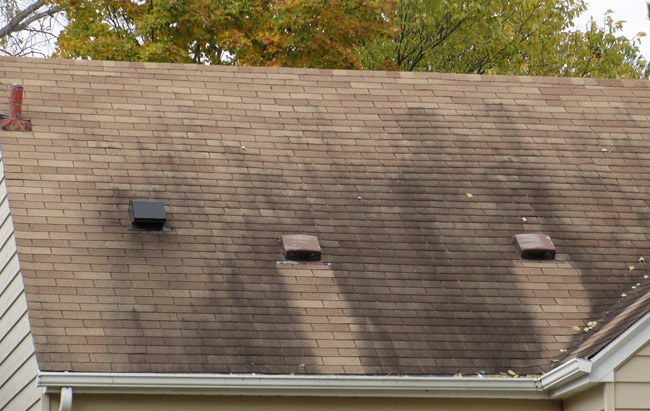
Noticed unsightly black streaks creeping across your roof shingles? You’re not alone. These dark stains affect thousands of homeowners each year, but the good news is they’re preventable. Understanding what causes these streaks and how to stop them will help you maintain a clean, attractive roof that protects your home for years to come.
Black streaks on roofs are caused by Gloeocapsa Magma algae, which feeds on the limestone filler in asphalt shingles and thrives in warm, humid climates.
What causes black streaks on roof shingles
Those mysterious dark stains aren’t dirt or pollution. They’re actually algae growth, specifically a type called Gloeocapsa Magma. This organism loves warm, humid environments and feeds on the limestone commonly used as filler in asphalt roofing shingles.
When algae spores land on your roof, they multiply quickly. The limestone in your shingles provides nutrients, while moisture gives them the perfect environment to flourish. As the algae spreads, it leaves behind those telltale black streaks that can make even a newer roof look old and worn.
The problem is most common in regions with high humidity and warm temperatures. If you live in an area that experiences regular rainfall and warm weather, your roof is at higher risk. Shaded areas where moisture lingers longer are especially vulnerable to algae colonization.
Why black streaks matter for your home
While these streaks might seem like just a cosmetic issue, they can actually impact your home in several ways. Here’s what you need to know about the real consequences.
Algae-covered roofs can absorb up to 30% more heat than clean roofs, potentially increasing your cooling costs during summer months.
Your home’s curb appeal takes an immediate hit when black streaks appear. The stains make your roof look dirty and neglected, which can affect your property value. If you’re considering selling your home, potential buyers may see the streaks as a sign of poor maintenance or assume the roof needs replacement.
Energy efficiency suffers too. The dark algae absorbs more heat from the sun compared to clean shingles. This means your attic gets hotter, forcing your air conditioning system to work harder. You’ll likely see higher energy bills as a result.
The algae can also shorten your roof’s lifespan. As it spreads, it weakens the protective granules on your shingles, making them more susceptible to damage from weather and UV rays. What starts as a cosmetic problem can eventually lead to premature roof aging and costly repairs.
Proven prevention strategies that work
Preventing black streaks is much easier than removing them. These four approaches will help you keep your roof clean and algae-free.
Regular cleaning and maintenance
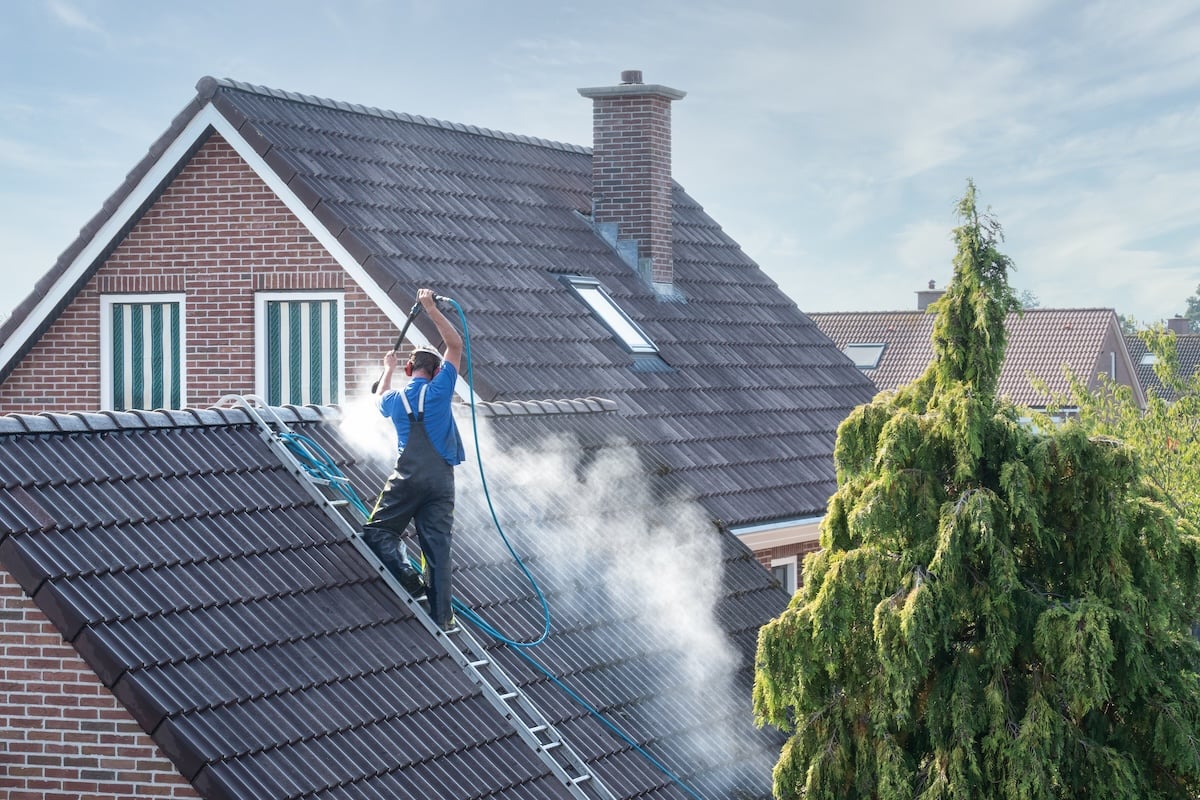
Keep your roof clear of debris like leaves, branches, and dirt. These organic materials trap moisture and create ideal conditions for algae growth. Clean your gutters regularly to ensure proper water drainage. A twice-yearly roof maintenance routine can catch problems early.
Trim back overhanging trees
Branches that hang over your roof create shade and drop debris. Both encourage algae growth. Trim trees to allow more sunlight to reach your roof surface. Sunlight helps keep shingles dry and makes the environment less hospitable for algae. This simple step can significantly reduce your risk.
Install algae-resistant shingles
If you’re due for a roof replacement, consider algae-resistant shingles. These products contain copper granules that naturally inhibit algae growth. While they cost more upfront, they save you time and money on cleaning and maintenance. Many manufacturers like GAF and Owens Corning offer excellent algae-resistant options.
Improve attic ventilation
Proper ventilation prevents moisture buildup in your attic, which can contribute to algae growth on your roof. Install ridge vents or attic fans to promote air circulation. Good ventilation also extends your roof’s overall lifespan by preventing moisture-related damage like rot and decay.
Comparing prevention methods
Different prevention strategies offer varying levels of effectiveness and cost. This comparison will help you choose the right approach for your situation.
| Prevention Method | Effectiveness | Cost | Maintenance Required |
|---|---|---|---|
| Regular cleaning | Moderate | Low | High (2x per year) |
| Tree trimming | Moderate | Low | Medium (annual) |
| Algae-resistant shingles | High | High | Very low |
| Improved ventilation | Moderate | Medium | Very low |
The best approach combines multiple strategies. Start with regular maintenance and tree trimming for immediate results. When it’s time to replace your roof, invest in algae-resistant materials for long-term protection.
Combining regular maintenance with algae-resistant shingles provides the most comprehensive protection against black streaks and extends your roof’s lifespan.
If you’re installing new shingles, proper installation matters just as much as the material. Learn about correct shingle installation techniques and proper nailing patterns to ensure your roof performs optimally.
FAQ
What are the black streaks on my roof?
Can black streaks damage my roof?
How often should I clean my roof to prevent algae?
