


Attic Ventilation for Florida Homes: A 2026 Guide
Roof Components
Structure & Design
November 12,2025
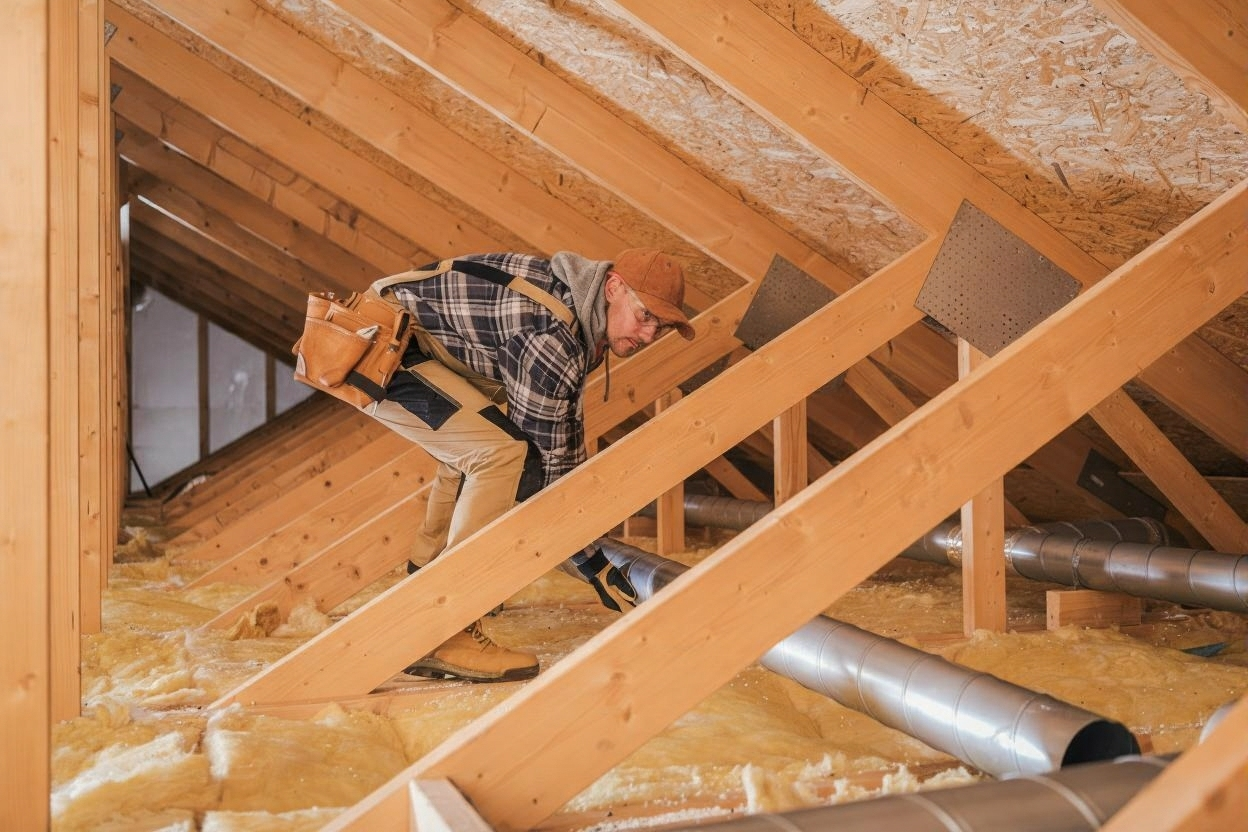
Alt text: Professional installing attic ventilation system in Florida home showing proper airflow setup
Is your attic unbearably hot and humid? You’re not alone. Many Florida homeowners notice their energy bills climbing while their roof deteriorates faster than expected. The culprit is often poor attic ventilation. In Florida’s intense heat and humidity, proper airflow isn’t optional; it’s essential for protecting your home and keeping costs down.
Attic temperatures in Florida can exceed 140°F during summer months. Without proper ventilation, this trapped heat damages your roof from the inside out and drives up cooling costs by 10-15%.
When moisture and heat get trapped in your attic, they create the perfect environment for mold growth, wood rot, and premature material failure. The good news? These problems are preventable with the right ventilation system. Let’s explore how to keep your Florida home cool, dry, and protected.
Why Florida homes need proper attic ventilation
Florida’s climate creates unique challenges for your roof system. High humidity, intense sun exposure, and frequent rain create a constant cycle that puts stress on your attic space. Without adequate airflow, your attic becomes a pressure cooker that damages everything from roof decking to expensive roofing materials.
Heat rises naturally, and in an unventilated attic, it has nowhere to go. This trapped heat doesn’t just make your home uncomfortable; it actively shortens your roof’s lifespan. Materials like asphalt shingles, metal panels, and even tile can fail prematurely when exposed to excessive heat from below.
Moisture is equally problematic. Everyday activities like cooking, showering, and laundry release water vapor that rises into your attic. In humid climates, this moisture condenses on cool surfaces, leading to:
- Mold and mildew growth
- Wood rot in roof trusses and framing
- Rust on metal fasteners and components
- Reduced insulation effectiveness
- Peeling paint and stains on ceilings
Understanding the critical parts of a roof helps you see why ventilation matters. Your attic space is the interface between your conditioned living area and the outside environment, and it needs to breathe properly.
Best ventilation systems for humid climates
Choosing the right ventilation system depends on your roof design, home size, and budget. Here are the most effective options for Florida homes:
Passive ventilation systems
Passive systems use natural airflow principles without motors or electricity. The most effective passive setup combines soffit vents with ridge vents. Cool air enters through soffit vents along your eaves, flows upward through the attic, and exits through ridge vents at the peak.
This creates continuous airflow that works 24/7 without energy costs. The key is balance: you need equal intake and exhaust capacity. Many Florida building codes require one square foot of ventilation for every 150 square feet of attic space.
Balanced ventilation systems with equal intake and exhaust capacity reduce attic temperatures by 20-30°F compared to poorly ventilated spaces, extending roof life by years.
Active ventilation systems
Active systems use powered fans to pull hot air out of your attic. These include electric attic fans and solar-powered vents. They’re particularly useful for:
- Large attic spaces
- Low-slope roofs where passive systems struggle
- Homes with cathedral ceilings
- Situations where ridge vents aren’t feasible
However, active systems must be sized correctly. An oversized fan can create negative pressure that pulls conditioned air from your living space, wasting energy rather than saving it.
| Ventilation Type | Best For | Energy Use | Cost Range |
|---|---|---|---|
| Ridge + Soffit | Most homes | None | $$ |
| Turbine Vents | Moderate climates | None | $ |
| Powered Fans | Large attics | Low-Medium | $$$ |
| Solar Vents | Sunny locations | None | $$$$ |
Roof types and ventilation requirements
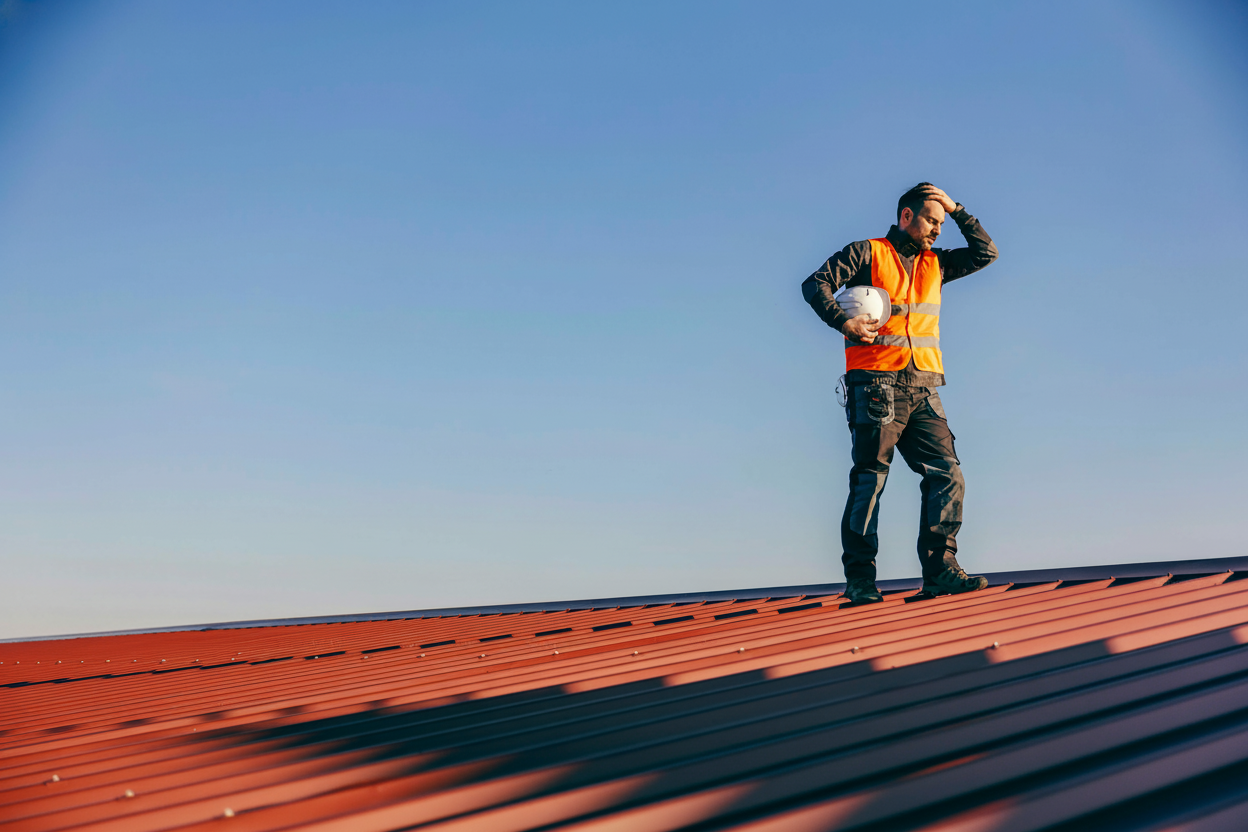
Alt text: Homeowner and contractor inspecting roof ventilation system on residential property
Different roof styles require different ventilation approaches. Understanding your roof type helps you choose the most effective system.
Pitched roofs
Standard pitched roofs with attic space are easiest to ventilate. Ridge and soffit vents work perfectly here. If you’re deciding between hip roof vs gable roof designs, both can accommodate excellent ventilation systems.
For homes with gambrel roofs or other complex designs, you may need additional vents to ensure complete airflow coverage. Don’t forget about proper fascia installation to support your intake vents.
Low-slope and flat roofs
These require special attention. Without a steep pitch to promote natural airflow, you’ll likely need powered ventilation or roof scuppers for drainage combined with mechanical ventilation systems.
Metal roofs and tile systems benefit significantly from proper ventilation. Even though these materials reflect heat, the space beneath still needs airflow to prevent condensation and extend material life.
Special considerations
Some architectural features affect ventilation planning:
- Roof overhangs that block soffit vent installation
- Cathedral ceilings with no attic space
- Multiple roof levels on modern roof designs
- Sealed attic systems with spray foam insulation
Each situation requires a customized approach. A professional assessment ensures your system meets local codes and actually improves your home’s performance.
Maintaining your ventilation system
Even the best ventilation system needs regular attention. Florida’s climate brings debris, salt air, and extreme weather that can block or damage vents over time.
Check your vents twice yearly for:
- Debris blocking soffit or ridge vents
- Bird nests or insect infestations
- Damaged screens or vent covers
- Proper operation of powered fans
- Signs of moisture damage inside the attic
When planning roof vent replacement, upgrade to higher-quality materials that resist Florida’s harsh conditions. Combining ventilation improvements with proper roof drainage systems creates comprehensive protection for your home.
Proper ventilation also supports other roof components. It helps preserve roof insulation effectiveness and protects roof layers from heat damage. When you understand how all these systems work together, you can make smarter maintenance decisions.
Protecting your Florida home investment
Attic ventilation might not be the most exciting home improvement topic, but it’s one of the most important for Florida homeowners. Proper airflow protects your roof, lowers energy costs, improves comfort, and prevents costly moisture damage.
The benefits of good ventilation include:
- Extended roof lifespan (often 5-10 additional years)
- Lower cooling costs (10-15% reduction)
- Prevention of mold and structural damage
- Better indoor air quality
- Increased home value and appeal
Whether you’re building new, replacing an existing roof, or simply improving your current home, ventilation should be a top priority. The upfront investment pays dividends through reduced maintenance, lower utility bills, and a more comfortable living environment.
Don’t wait until you see water stains, feel excessive heat, or smell musty odors. By then, damage may already be occurring. A proactive approach to attic ventilation protects your home and your wallet for years to come.
FAQ
How much ventilation does my Florida attic need?
Can I have too much attic ventilation?
How often should I inspect my attic ventilation system?
