


Strongest Roof Truss Types and Designs for Your Home in 2026
Roof Components
Structure & Design
October 20,2025
Strongest Roof Truss Types and Designs for Your Home in 2026
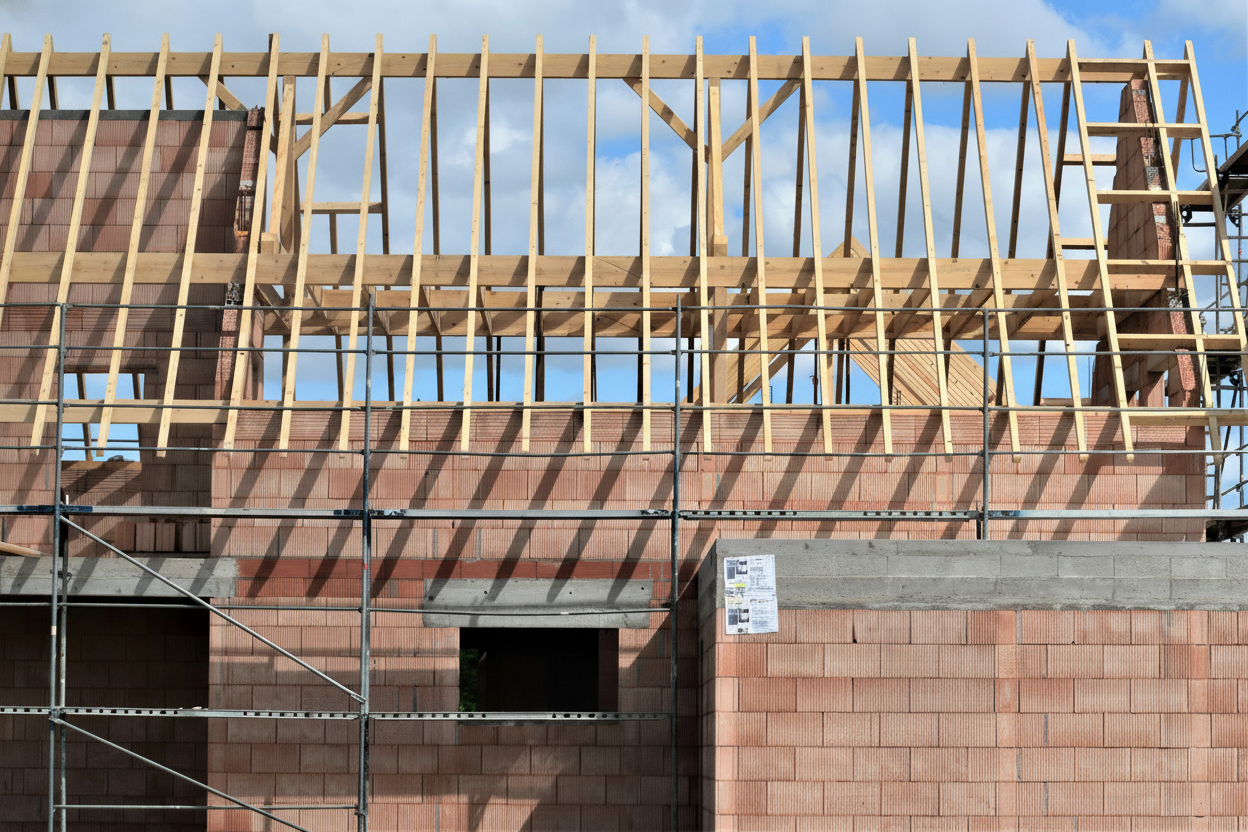
Alt text: Construction workers installing roof trusses in a residential home during construction phase
Your roof’s structural integrity depends heavily on the truss system supporting it. Roof trusses are engineered frameworks that distribute weight evenly across your home, combining strength with cost efficiency. Whether you’re building new or replacing an existing roof, understanding which truss design works best for your project helps you make informed decisions.
Quick insight: Pre-fabricated trusses can reduce installation time by up to 50% compared to traditional rafter systems, saving both labor costs and construction time.
This guide covers the essential truss types, their applications, and which designs offer the strongest support for residential projects.
Understanding roof truss fundamentals and common designs
A roof truss consists of triangular units connected by wooden or metal beams. This framework supports your roof while creating usable attic space. The triangular design distributes loads efficiently, making trusses stronger than individual beams of the same size.
Modern trusses arrive at construction sites pre-fabricated, which means faster installation and consistent quality. Each design serves specific purposes based on span length, roof pitch, and load requirements. Learning about roof decking helps you understand how trusses integrate with other structural components.
Different projects call for different truss configurations. The Fink truss features a web-like pattern that creates exceptional strength for residential roofs. Its diagonal members form a W shape, efficiently distributing loads across the structure. This design works well for roof pitches between 4/12 and 12/12, making it versatile for various architectural styles.
You’ll find Fink trusses in most modern homes because they balance strength, material efficiency, and cost. The design allows for adequate attic ventilation while supporting standard roofing materials.
King post trusses work best for smaller spans (up to 8 meters). They feature a single vertical post connecting the apex to the bottom chord. Queen post trusses include two vertical posts, allowing wider spans while maintaining structural integrity. These traditional designs suit homes with simpler roof lines. Their straightforward construction makes them economical for basic residential projects.
Homeowners evaluating structural performance, especially in areas like Palm City, often use this planning stage to explore broader residential roofing options.
Cost consideration: King post trusses typically cost 15-20% less than more complex designs for comparable spans, making them budget-friendly for smaller homes.
Scissor trusses create beautiful vaulted ceilings by sloping the bottom chords upward. This design adds architectural interest to living spaces while maintaining structural strength. The crossing members resemble scissors, giving this truss its name. If you want cathedral ceilings without sacrificing roof support, scissor trusses deliver both aesthetics and function. Understanding different roof types helps you determine if this design complements your home’s style.
Raised heel trusses elevate the bottom chord’s connection point at the exterior wall. This creates extra space for insulation at the roof’s edge, improving energy efficiency. The design prevents compressed insulation, which maintains its R-value. For energy-conscious homeowners, raised heel trusses reduce heating and cooling costs by allowing full-depth insulation across the entire ceiling plane.
Comparing truss strength and applications
Different truss designs excel in specific situations. This comparison helps you match truss types to your project needs:
| Truss Type | Best Span Range | Primary Strength | Ideal Application |
|---|---|---|---|
| Fink | 20-40 feet | Load distribution | Standard residential |
| Howe | 40-80 feet | Heavy loads | Large homes, commercial |
| Scissor | 20-35 feet | Aesthetic + function | Vaulted ceilings |
| Raised Heel | 20-40 feet | Energy efficiency | Climate-conscious builds |
The Fink truss consistently ranks as the strongest option for typical residential applications. Its web design handles snow loads, wind forces, and roofing material weight effectively. For larger spans or commercial projects, Howe and Pratt trusses provide superior load-bearing capacity.
In coastal areas like Boca Raton, structural durability discussions often go hand in hand with preparing for storm damage roof repair after severe weather.
Professional tip: Always consult a structural engineer when selecting trusses for spans over 40 feet or in areas with extreme weather conditions.
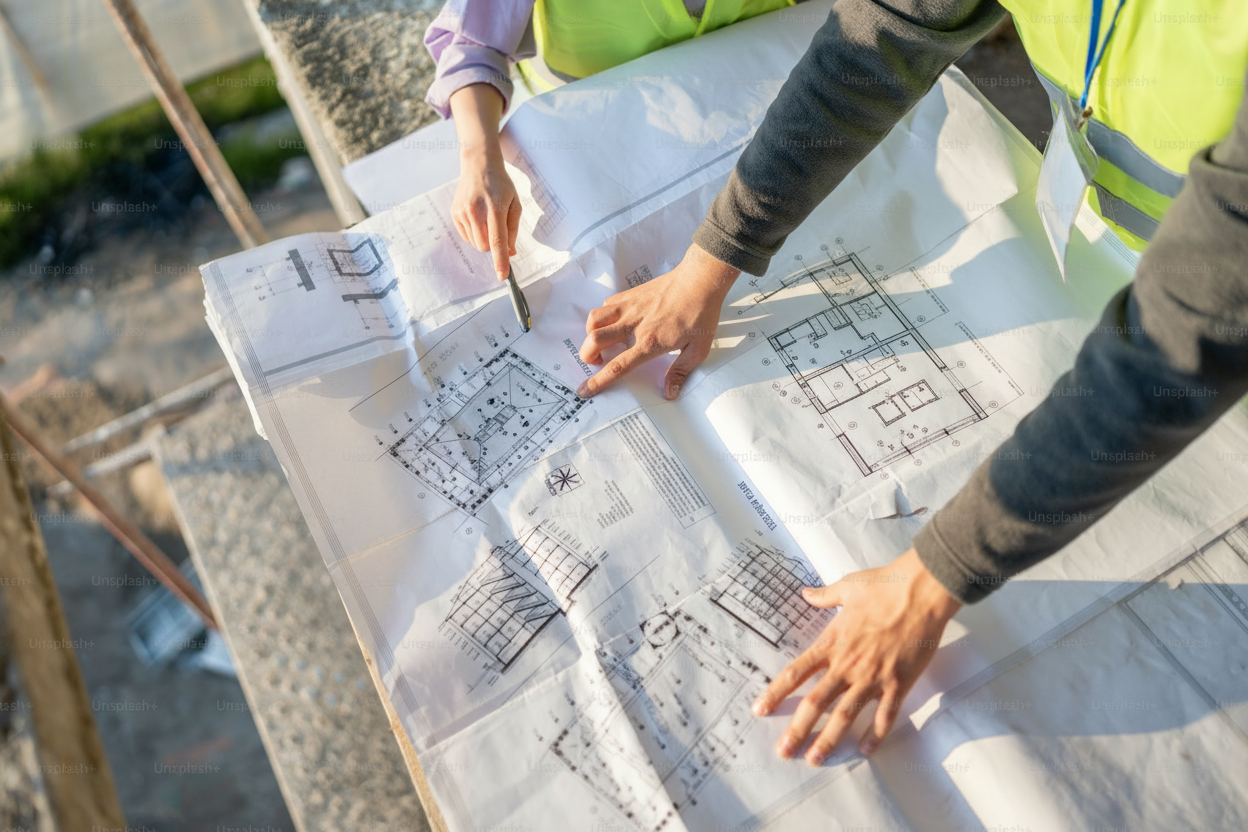
Alt text: Professional contractors and architects discussing roof truss installation plans at a construction site
Beyond standard residential trusses, specialized designs serve unique needs. Bowstring trusses create curved roofs for architectural interest. Parallel chord trusses support flat roofs and floor systems. Fan trusses distribute loads across wide industrial spaces. These designs require engineering expertise but offer solutions for challenging projects. Exploring modern roof styles shows how different truss types enable diverse architectural visions.
Selecting the right truss for your project
Your truss selection depends on several factors working together. Start by considering your roof’s span and the space below it. Longer spans need more robust designs like Howe or Pratt trusses. If you want usable attic space, attic trusses include room for storage or living areas.
Local building codes specify minimum load requirements based on snow, wind, and seismic conditions. Your truss design must meet or exceed these standards. Climate also affects material choice since some regions demand pressure-treated lumber or metal trusses.
Budget constraints influence truss selection, but never compromise structural safety for cost savings. Simple designs like King post trusses cost less but limit span capabilities. Complex designs increase material and labor costs but provide necessary strength for challenging projects.
Working with experienced contractors ensures your truss system integrates properly with other components. Proper fascia installation and drip edge placement connect directly to truss positioning.
Many homeowners, especially in areas like West Palm Beach, use this stage to also consult a trusted roofing company when evaluating broader roofing upgrades.
Professional installation and FAQ
Roof trusses form your home’s structural skeleton. Professional installation ensures each truss aligns correctly, connections meet engineering specifications, and the system functions as designed. Improper installation can lead to sagging roofs, structural failure, or costly repairs.
Qualified contractors understand load paths, proper bracing techniques, and building code requirements. They coordinate truss installation with other roofing components like roof drainage systems and ventilation.
At Foxhaven, we bring expertise in truss selection and installation. Our team helps you choose the optimal design for your project while ensuring proper integration with your complete roofing system. Quality installation protects your investment and provides peace of mind.
For older roofs showing wear and tear, especially in areas like Wellington, FL, it’s often advisable to address preventative roof repair before minor issues grow.
What is the strongest roof truss design for residential homes?
How do I choose between different truss types for my home?
What are the cost differences between truss types?
