

Roof Vent Replacement Guide: 4 Best Options for 2026
Roof Components
Structure & Design
October 1,2025
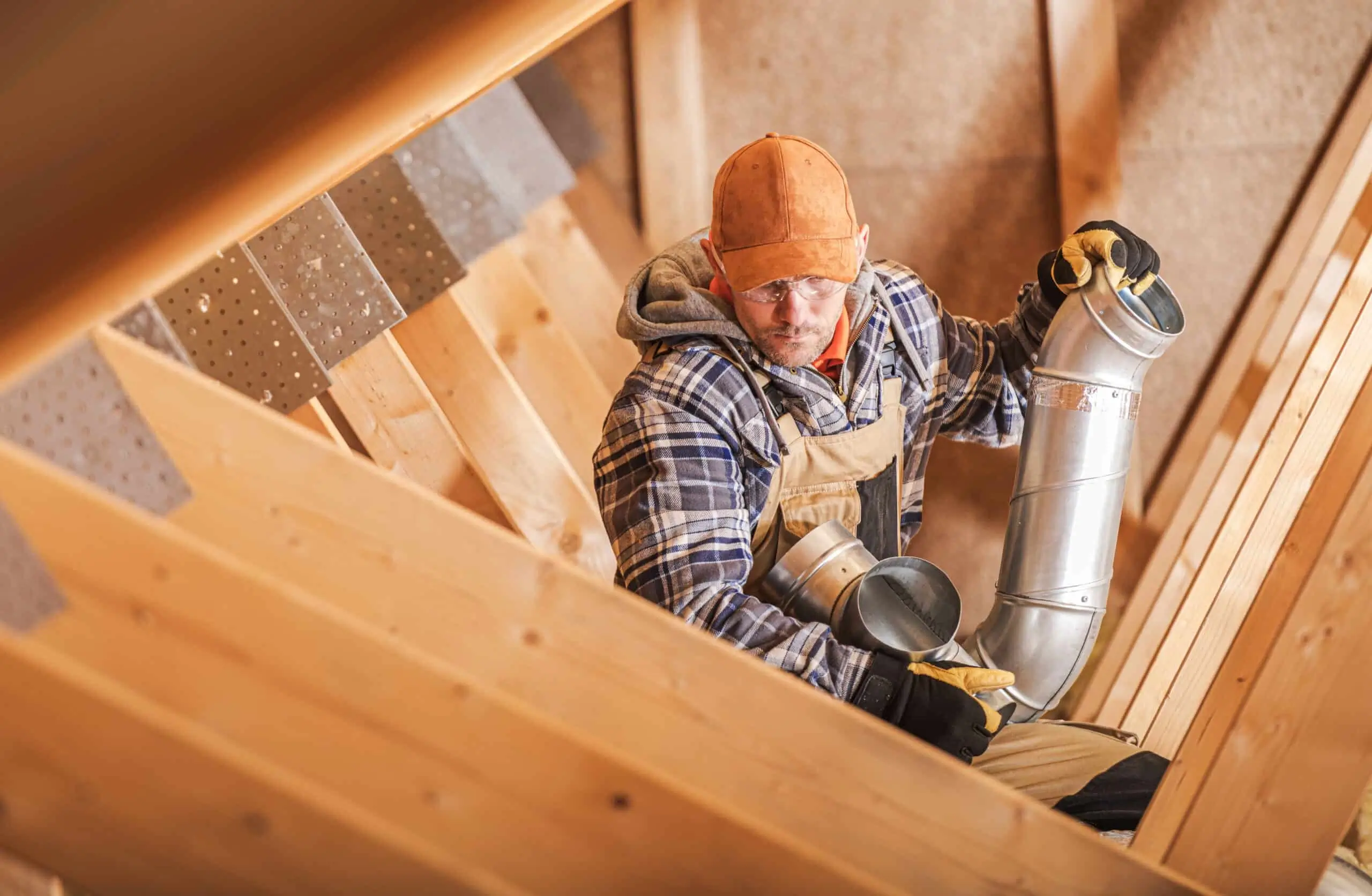
Alt text: Professional roofer installing a roof ventilation system on a residential home, showing proper installation technique for improved air circulation
Proper roof ventilation keeps your home comfortable, energy-efficient, and protected from moisture damage. When your roof vents wear out or stop working effectively, replacing them becomes essential for maintaining healthy air circulation. This guide walks you through the best roof vent replacement options available in 2026, helping you make an informed decision for your home.
Adequate attic ventilation can reduce cooling costs by up to 10% during summer months while extending your roof’s lifespan by preventing heat and moisture damage.
Why roof ventilation matters for your home
Your roof ventilation system works quietly behind the scenes, but its impact on your home is significant. Understanding why proper ventilation matters helps you appreciate the importance of timely roof vent replacement.
A well-ventilated attic regulates temperature throughout your entire home. During hot months, temperatures in an unventilated attic can exceed 150 degrees Fahrenheit, forcing your air conditioning system to work overtime. Proper roof ventilation for Florida homes helps hot air escape while drawing in cooler outside air, creating natural circulation that eases the burden on your HVAC system.
Moisture prevention ranks equally important. When warm, humid air gets trapped in your attic, it condenses on cooler surfaces, creating the perfect environment for mold and mildew growth. Over time, this moisture can rot roof decking and compromise your home’s structural integrity. Effective ventilation keeps air moving, preventing moisture buildup and protecting your investment.
Your shingles also benefit from proper ventilation. Excessive heat accelerates shingle aging, causing them to crack, curl, and fail prematurely. Good airflow keeps attic temperatures moderate, helping your roof last longer. Beyond that, continuous air circulation improves indoor air quality by preventing the accumulation of pollutants and allergens that can affect your family’s health.
4 effective roof vent replacement options
When the time comes to replace your roof vents, you have several proven options. Each type offers distinct advantages depending on your home’s design, budget, and ventilation needs.
Ridge vents
Ridge vents install along your roof’s peak, providing continuous ventilation across the entire ridge line. They work with soffit vents to create natural convection, where hot air rises and escapes through the ridge while cool air enters through the soffits.
These vents blend seamlessly with your roofline, maintaining your home’s appearance while delivering consistent airflow. Because they span the entire ridge, they eliminate hot spots and provide balanced ventilation throughout your attic space. Ridge vents work particularly well during roof replacement projects, when roofers can integrate them into the new roof system.
Professional installation ensures proper performance. Your roofer cuts an opening along the ridge and installs the venting system with weatherproof seals to prevent leaks while maximizing airflow.
Ridge vents provide the most uniform ventilation distribution, making them the preferred choice for most residential applications.
Static roof vents
Static vents, also called roof louvers, come in various styles including box vents, turtle vents, and dormer vents. These stationary units allow air to pass through without any moving parts, making them reliable and low-maintenance.
The main advantages include affordability and versatility. Static vents cost less than powered options and work with virtually any roof style or material. They require minimal maintenance since there are no motors or mechanical components to service or replace. Installation involves mounting them directly on your roof surface, with placement determined by your attic’s size and layout.
While static vents work well for many homes, they rely entirely on natural air movement. In climates with limited wind or during still summer days, their effectiveness may decrease compared to powered alternatives.
Power attic fans
Power attic fans actively pull hot air from your attic and expel it outside. These electrically powered units include a thermostat that activates the fan when attic temperatures reach a preset threshold, typically around 90-110 degrees Fahrenheit.
The active ventilation approach excels at rapidly cooling overheated attics, especially during peak summer heat. By maintaining lower attic temperatures, power fans reduce strain on your air conditioning system, potentially lowering energy bills. They work particularly well in homes with inadequate natural ventilation or in climates with extreme heat.
Installation requires professional expertise. Roofers mount the fan on your roof or gable wall and connect it to your electrical system. Proper placement and wiring ensure safe, effective operation. While power fans consume electricity, their cooling benefits often offset the operating costs.
Solar attic fans
Solar attic fans function like power fans but run on energy collected from solar panels instead of household electricity. This makes them an environmentally friendly and cost-effective long-term solution.
The solar-powered design eliminates operating costs while reducing your carbon footprint. These fans operate silently and require no electrical wiring, simplifying installation in some cases. They work best in sunny climates where panels can collect ample energy throughout the day.
Your roofer installs the fan unit on your roof or gable wall, positioning the solar panel for maximum sun exposure. The panel’s placement directly affects performance, so professional installation ensures optimal results. While the initial cost exceeds standard static vents, the elimination of electricity costs provides long-term savings.
Replacing roof vents during a roof replacement project costs less than retrofitting them later, as the roof surface is already exposed and prepared.
When you should replace your roof vents
Recognizing when your roof vents need replacement helps you address problems before they cause serious damage. Watch for these warning signs:
| Sign | What It Means | Action Needed |
|---|---|---|
| Visible damage or cracks | Weather exposure has compromised the vent | Replace immediately |
| Excessive attic heat | Inadequate ventilation or vent failure | Inspect and upgrade system |
| Moisture or mold in attic | Poor air circulation allowing condensation | Replace and improve ventilation |
| Vents older than 15-20 years | Normal wear approaching end of lifespan | Plan replacement soon |
Physical damage like cracks, rust, or deteriorating materials clearly indicates replacement time. Environmental factors including sun exposure, temperature extremes, and weather gradually wear down vent materials over their 10-20 year typical lifespan.
Functional problems show up as persistently hot attics despite adequate vent coverage, musty odors suggesting trapped moisture, or visible condensation and mold growth. These symptoms mean your vents are not moving air effectively.
Roof replacement projects offer the perfect opportunity to upgrade your ventilation system. When you invest in a new roof, installing new vents ensures all roof components work together efficiently, and your roofer can integrate them seamlessly into the new roof structure.
Choosing the right vent replacement
Selecting the best roof vent replacement for your home depends on several factors. Consider your budget, home design, climate, and existing ventilation setup.
Ridge vents suit most homes and provide excellent overall performance with minimal visual impact. They work best when paired with adequate soffit intake vents to create balanced airflow. Static vents offer an economical choice for homes with sufficient natural air movement or as supplemental ventilation alongside other vent types.
Powered options make sense for homes in hot climates, those with limited natural ventilation, or when you need rapid attic cooling. Choose solar fans if you want to eliminate operating costs and reduce environmental impact, especially in sunny regions where panels can generate consistent power.
Consult with roofing professionals who can assess your attic’s current ventilation, measure square footage, and calculate the proper vent coverage needed. They can recommend the most effective combination of intake and exhaust vents for your specific situation. Professional installation ensures proper placement, weatherproofing, and performance, protecting your investment and your home.
For homes in coastal or high-moisture areas, proper integration with your roof drainage system and fascia components becomes especially important to manage both air circulation and water management effectively.
FAQ
How much does roof vent replacement cost in 2026?
Can I install roof vents myself or should I hire a professional?
How many roof vents does my home need?
