


Types of Soffit Vents and How to Install Them
Roof Components
Structure & Design
October 4,2025
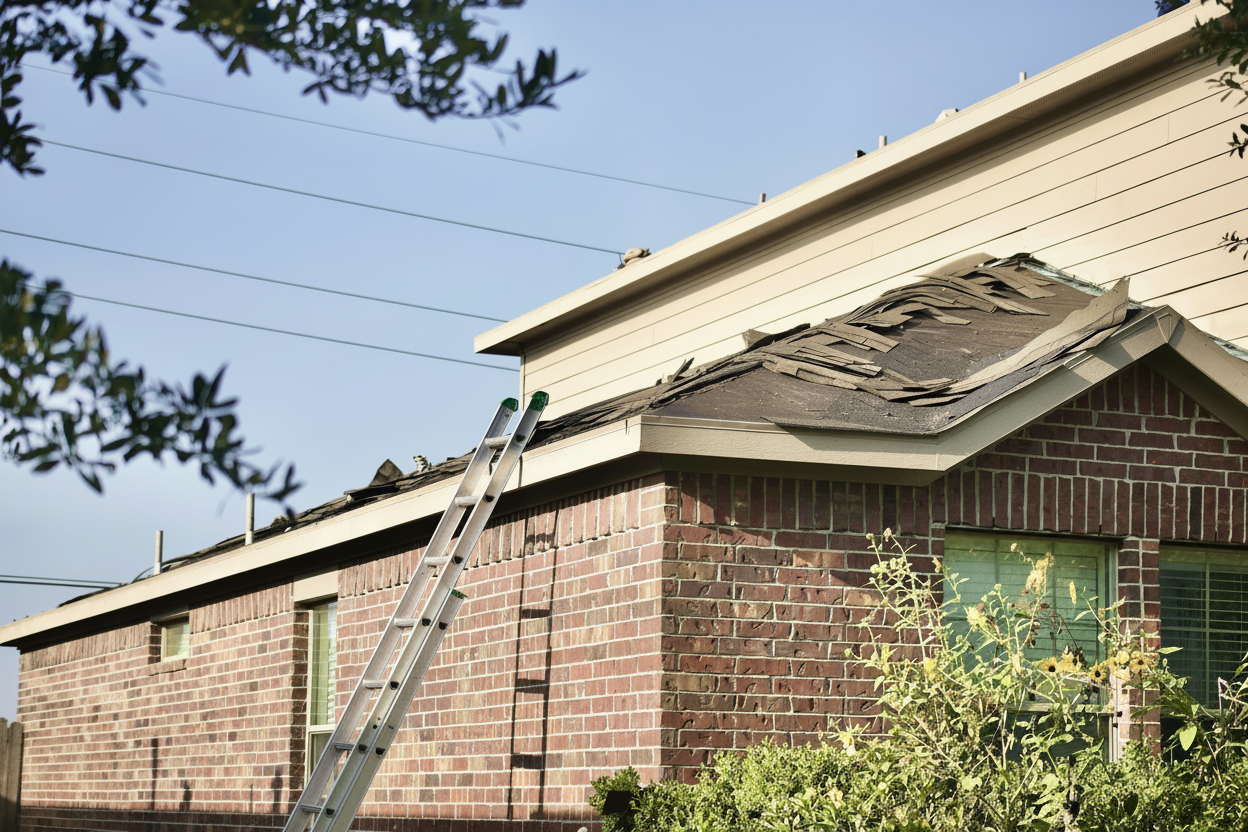
Alt text: Homeowner examining soffit vents under roof overhang for proper ventilation maintenance
You might not think much about the underside of your roof’s overhang, but those small vents tucked under your eaves play a critical role in protecting your home. Soffit vents are essential components of your attic ventilation system, working quietly to regulate temperature, control moisture, and extend your roof’s lifespan.
Proper soffit ventilation can reduce attic temperatures by up to 30 degrees in summer, significantly lowering cooling costs and preventing premature roof damage.
Understanding how soffit vents work helps you maintain a healthier home environment while avoiding costly repairs down the road. This guide breaks down everything you need to know about soffit vents, from their core functions to choosing the right type for your home.
What are soffit vents and how do they work
Soffit vents are perforated panels or openings installed on the underside of your roof’s eaves where the roof extends beyond your exterior walls. These vents create intake points that allow fresh outdoor air to flow into your attic space.
The ventilation process works through natural convection. Cool air enters through the soffit vents at the bottom of your roof while warm air escapes through roof ventilation systems at the peak. This continuous airflow prevents heat and moisture buildup that can damage your roof structure and increase energy costs.
Most soffit vents appear as small rectangular or circular openings made from vinyl, aluminum, or wood. They blend seamlessly with your home’s exterior while providing crucial airflow. When paired with exhaust vents like ridge vents or gable vents, soffit vents create a balanced ventilation system that protects your entire roofing structure.
Four essential functions of soffit ventilation
Soffit vents serve multiple purposes that directly impact your home’s comfort and structural integrity:
Temperature regulation: Soffit vents allow hot air to escape from your attic during summer months, preventing excessive heat buildup that can warp roof decking and increase cooling costs. In winter, they help prevent ice dams by maintaining consistent roof temperatures.
Moisture control: Attic moisture from cooking, showering, and daily activities needs an escape route. Soffit vents work with exhaust vents to remove humid air before it condenses and causes mold growth or wood rot.
Homes without proper soffit ventilation can experience up to 160% more moisture accumulation in attic spaces, leading to premature material failure.
Energy efficiency: By reducing attic heat in summer, soffit vents decrease the workload on your air conditioning system. This translates to lower monthly energy bills and a smaller carbon footprint for your household.
Extended roof lifespan: Proper ventilation prevents the extreme temperature fluctuations and moisture exposure that degrade roofing materials. With adequate soffit venting, your roof can last years longer than poorly ventilated alternatives.
Common types of soffit vents for your home
Choosing the right soffit vent depends on your home’s architecture, climate, and ventilation needs. Here are the four main types:
| Vent Type | Best For | Ventilation Coverage | Visual Impact |
|---|---|---|---|
| Continuous | Maximum airflow | Entire soffit length | Minimal |
| Individual panels | Spot ventilation | Intermittent spacing | Moderate |
| Circular vents | Small areas | Targeted zones | Low profile |
| Hidden vents | Aesthetic priority | Variable | Nearly invisible |
Continuous soffit vents run along your entire soffit length, providing the most consistent airflow. They work well for homes in hot climates or those with large attic spaces requiring substantial ventilation.
Individual panel vents consist of separate screens or panels installed at regular intervals. These offer flexibility in placement and work well when combined with other ventilation types.
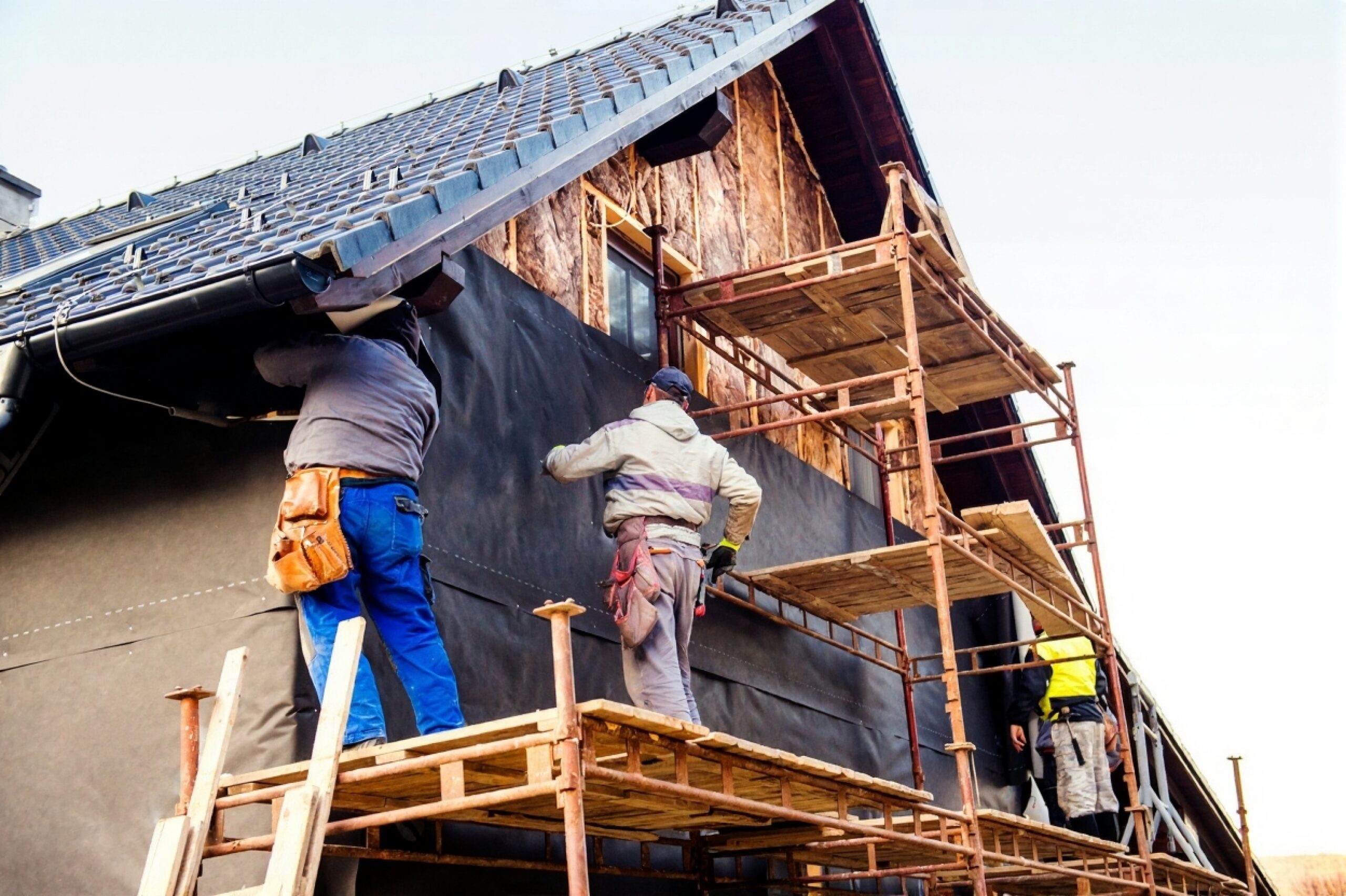
Alt text: Roofing contractor installing soffit ventilation system demonstrating proper installation techniques
Circular soffit vents feature small round openings that provide targeted ventilation in specific soffit areas. Their compact size makes them ideal for homes with limited soffit space or architectural details that restrict larger vent installations.
Hidden soffit vents integrate seamlessly with your soffit material, maintaining your home’s aesthetic while delivering necessary airflow. These cost more initially but offer superior curb appeal for design-conscious homeowners.
When selecting vents, consider pairing them with appropriate fascia and soffit installation techniques to ensure proper integration with your existing roof structure.
Maintaining optimal soffit vent performance
Proper maintenance keeps your soffit vents functioning efficiently year-round. Follow these practical steps:
Regular inspection: Check your soffit vents every six months for debris, dust, or blockages that restrict airflow. Look for signs of pest activity like wasp nests or bird nesting materials.
Cleaning routine: Use a soft brush or vacuum with a nozzle attachment to remove accumulated dirt and debris. For stubborn buildup, gently wash vents with mild soap and water.
Insulation management: Verify that attic insulation doesn’t block your soffit vents. Install baffles or rafter vents to maintain clear airways between the vents and your attic space.
Blocked soffit vents can reduce attic ventilation effectiveness by 70%, negating the benefits of even the best exhaust vent systems.
Balance with exhaust vents: Your soffit vents need corresponding exhaust points to create proper airflow. Work with a professional to verify your intake and exhaust vents are properly balanced. Understanding different roof vent replacement methods helps you optimize this balance.
Professional assessment: Schedule periodic inspections with roofing specialists who can evaluate your entire ventilation system. They can identify issues with roof drainage or other structural elements that impact ventilation performance.
If you notice condensation in your attic, ice dams forming on your roof edges, or unexpectedly high energy bills, these signal potential ventilation problems requiring immediate attention.
FAQ
How many soffit vents does my house need?
Can I install soffit vents myself or should I hire a professional?
What problems indicate my soffit vents are not working properly?
