

Flat Roof Replacement Cost 2025: Complete Pricing Guide
Specialized & Commercial Roofing Systems
October 8,2025
Flat Roof Replacement Cost 2025: Complete Pricing Guide
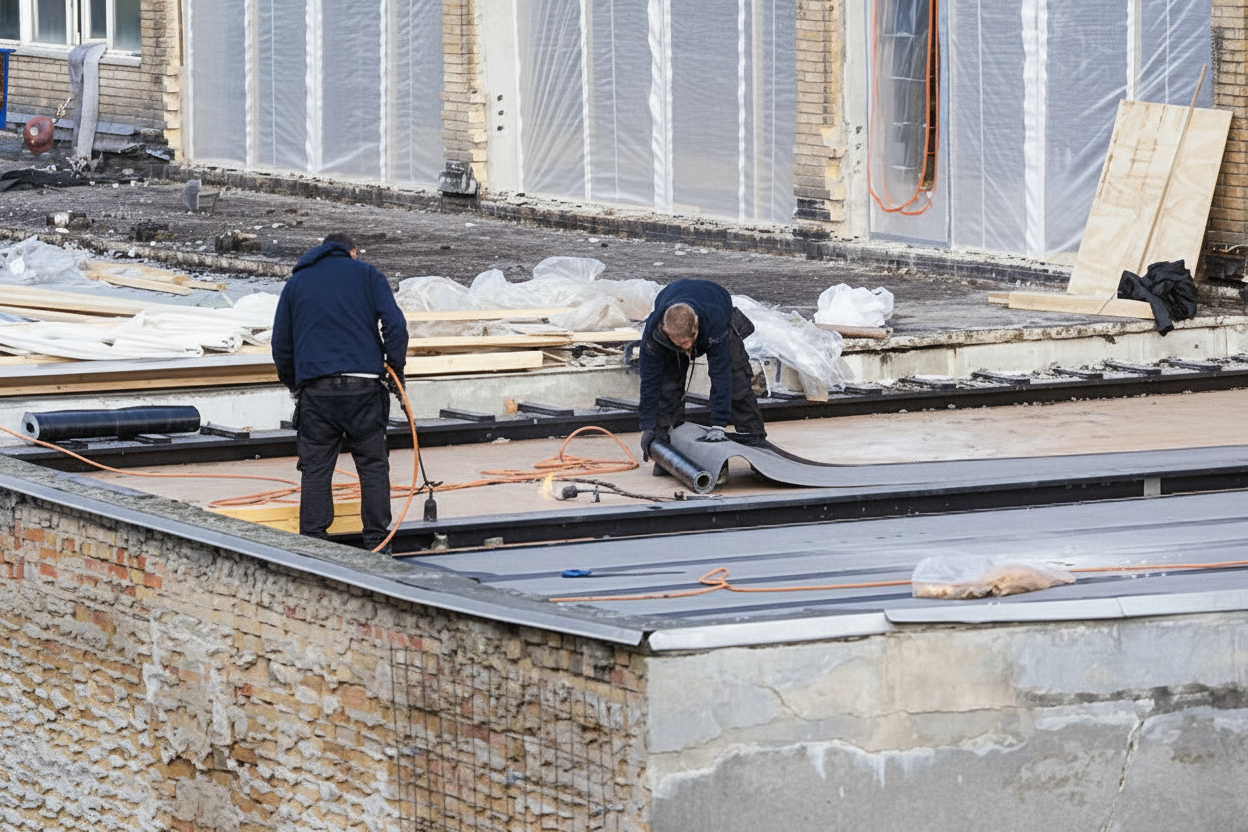
Professional installation ensures your flat roof replacement delivers maximum lifespan and performance
Replacing a flat roof represents a major investment for any property owner. Whether you manage a commercial building, apartment complex, or industrial facility, understanding the true costs helps you plan effectively and avoid budget surprises.
Flat roof replacement costs in 2025 range from $4 to $15 per square foot. For a typical 1,500 square foot roof, you can expect to invest between $6,000 and $22,500. The final price depends on material choices, roof condition, labor rates, and additional features you select.
Planning a flat roof replacement requires careful consideration of multiple cost factors. Getting accurate estimates from qualified contractors helps you budget properly and choose materials that offer the best long-term value for your specific situation.
This guide walks you through everything you need to know about flat roof replacement costs. You will learn what influences pricing, how to recognize when replacement becomes necessary, and ways to maximize your investment.
Understanding flat roof replacement pricing
The cost to replace your flat roof varies based on several interconnected factors. Most contractors quote prices per square foot, making it easier to estimate costs for roofs of different sizes.
A standard commercial flat roof of 1,500 square feet typically costs between $6,000 and $22,500 to replace completely. Smaller roofs under 1,000 square feet might range from $4,000 to $10,000, while larger installations over 2,500 square feet often exceed $25,000.
Material selection plays the biggest role in determining your final cost. TPO roofing systems cost $5 to $10 per square foot and offer excellent durability. EPDM rubber roofing ranges from $5 to $9 per square foot, providing reliable waterproofing at a lower price point. PVC roofing sits at the premium end, costing $6 to $12 per square foot but delivering superior longevity.
Material cost comparison
Different flat roofing materials offer unique benefits and price points. This comparison helps you evaluate options based on your budget and performance needs.
| Material | Cost per sq ft | Lifespan | Best for |
|---|---|---|---|
| Modified Bitumen | $4-$8 | 15-20 years | Budget projects |
| EPDM Rubber | $5-$9 | 20-25 years | Standard commercial |
| TPO | $5-$10 | 20-30 years | Energy efficiency |
| PVC | $6-$12 | 25-30 years | High performance |
Labor costs typically account for 40-60% of your total project expense. Urban areas with higher living costs often see labor rates at the upper end of this range. Experienced contractors charge more upfront but deliver better installation quality that extends your roof’s lifespan.
Quality installation matters more than material cost alone. A properly installed mid-range roofing system will outperform a premium material that was poorly installed. Always verify contractor credentials and check references before making your decision.
Key factors affecting replacement costs
Several variables influence your final flat roof replacement price. Understanding these factors helps you make informed decisions and avoid unexpected expenses.
Roof size and complexity
Your roof’s square footage directly impacts material and labor costs. Larger roofs require more materials and additional work hours, increasing the total investment proportionally.
Roof complexity adds another layer to pricing. Multiple penetrations like HVAC units, skylights, or ventilation systems require careful flashing work. Unusual shapes or hard-to-reach areas increase labor time and difficulty.
Current condition and preparation
The existing roof’s condition significantly affects replacement costs. A roof in poor condition requires extensive preparation before new materials can be installed.
Structural damage, water intrusion, or failing insulation must be addressed first. Flat roof leak repair work can add $500 to $5,000 depending on damage extent. Removing multiple layers of old roofing material increases disposal costs and labor hours.
Drainage and additional features
Proper drainage prevents water pooling that leads to premature roof failure. Installing or upgrading drainage systems adds $1,000 to $3,000 to your project cost.
Additional features enhance functionality but increase expenses. Roof coatings add $1-$3 per square foot but extend roof life significantly. Insulation upgrades improve energy efficiency at $2-$5 per square foot. Solar panel integration requires structural reinforcement and specialized mounting systems.
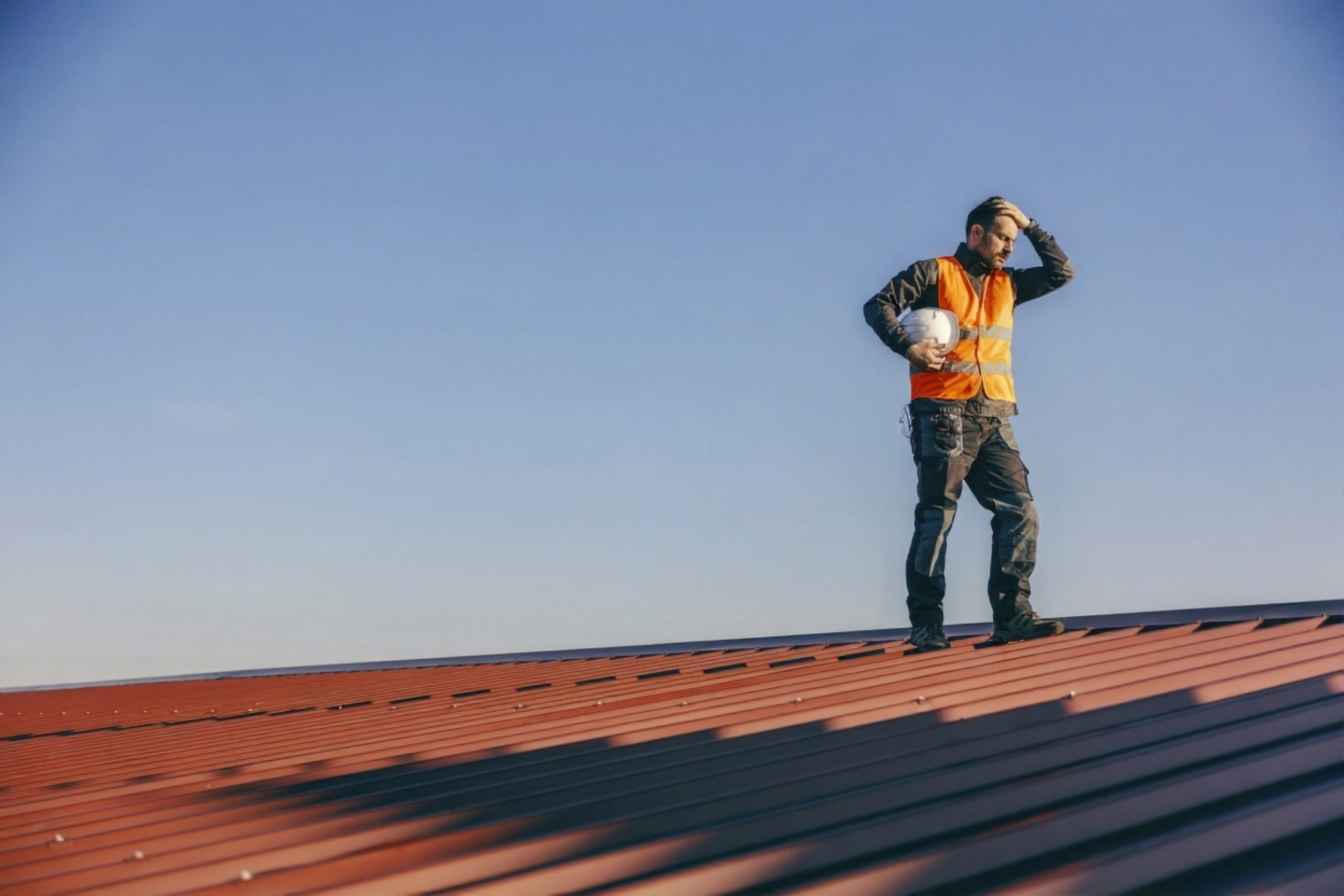
Regular inspections help identify replacement needs before small problems become costly emergencies
Regional cost variations
Your geographic location affects both material and labor pricing. Contractors in metropolitan areas charge 20-40% more than those in rural regions due to higher operating costs.
Local building codes and permit requirements add to project expenses. Some municipalities require special inspections or upgraded materials that increase costs. Weather conditions in your area may necessitate specific roofing systems designed for extreme heat, cold, or heavy rainfall.
Recognizing when replacement becomes necessary
Knowing when to replace rather than repair your flat roof saves money over time. Certain warning signs indicate that patching will no longer provide adequate protection.
Critical warning signs
Persistent water infiltration signals serious problems beyond simple repairs. If you notice water stains spreading inside your building or pooling that does not drain within 48 hours after rain, your roof likely needs replacement.
Visible surface deterioration tells you materials have reached the end of their useful life. Watch for widespread cracking, blistering, or bubbling across large roof sections. These issues indicate moisture has penetrated the roofing membrane.
Energy costs climbing without explanation often point to failing roof insulation. When your HVAC system runs constantly but struggles to maintain comfortable temperatures, heat transfer through a deteriorated roof may be the culprit.
Frequent repair needs become more expensive than replacement over time. If you have spent more than 30% of a replacement cost on repairs in the past two years, investing in a new roof makes better financial sense. Learn more about when repairs become ineffective in our guide to signs you need flat roof replacement.
Most flat roofing materials last 15-30 years depending on type and maintenance quality. If your roof approaches or exceeds its expected lifespan, proactive replacement prevents emergency situations and building damage that cost far more to address.
Age and lifespan considerations
Every roofing material has a predictable service life. Built-up roofing systems typically last 15-20 years, while modern single-ply membranes like TPO or PVC can reach 25-30 years with proper maintenance.
When your roof enters the final third of its expected lifespan, start planning for replacement. This timeline allows you to budget appropriately and schedule work during favorable weather rather than responding to an emergency failure.
Maintenance history dramatically affects actual roof longevity. Well-maintained roofs often exceed their rated lifespan, while neglected systems fail prematurely. Regular commercial roof inspections identify small issues before they become major problems.
Maximizing your roof replacement investment
Smart planning and informed decisions help you get the best value from your flat roof replacement project. Consider both immediate costs and long-term performance when making choices.
Choosing the right materials
Match roofing materials to your building’s specific needs and your budget constraints. Energy-efficient roofing options like white TPO or PVC cost more initially but reduce cooling expenses substantially in warm climates.
Consider total cost of ownership rather than just installation price. A material costing $2 per square foot more upfront but lasting 10 years longer delivers better value over time. Factor in maintenance requirements, repair costs, and energy savings when comparing options.
For environmentally conscious projects, explore sustainable roofing materials that reduce environmental impact while meeting performance standards. Many eco-friendly options now compete favorably on both cost and durability.
Working with qualified contractors
Selecting the right contractor proves as important as choosing quality materials. Request detailed written estimates from at least three reputable companies. Compare not just pricing but also warranties, project timelines, and included services.
Verify contractor licensing, insurance coverage, and industry certifications. Ask for references from recent commercial projects similar to yours. Review online feedback and check complaint records with local business bureaus.
Quality contractors provide transparent pricing breakdowns showing material costs, labor expenses, and any additional fees. They explain warranty coverage clearly and offer maintenance plans to protect your investment.
Timing your replacement
Schedule flat roof replacement during favorable weather conditions. Spring and fall typically offer the best installation windows in most regions, with moderate temperatures and lower precipitation risks.
Plan ahead to avoid premium pricing during peak seasons. Contractors often offer better rates during slower winter or summer months when demand drops. Emergency replacements cost 20-50% more than scheduled projects.