


Sustainable Roofing Options For Florida Homes In 2026
October 2,2025
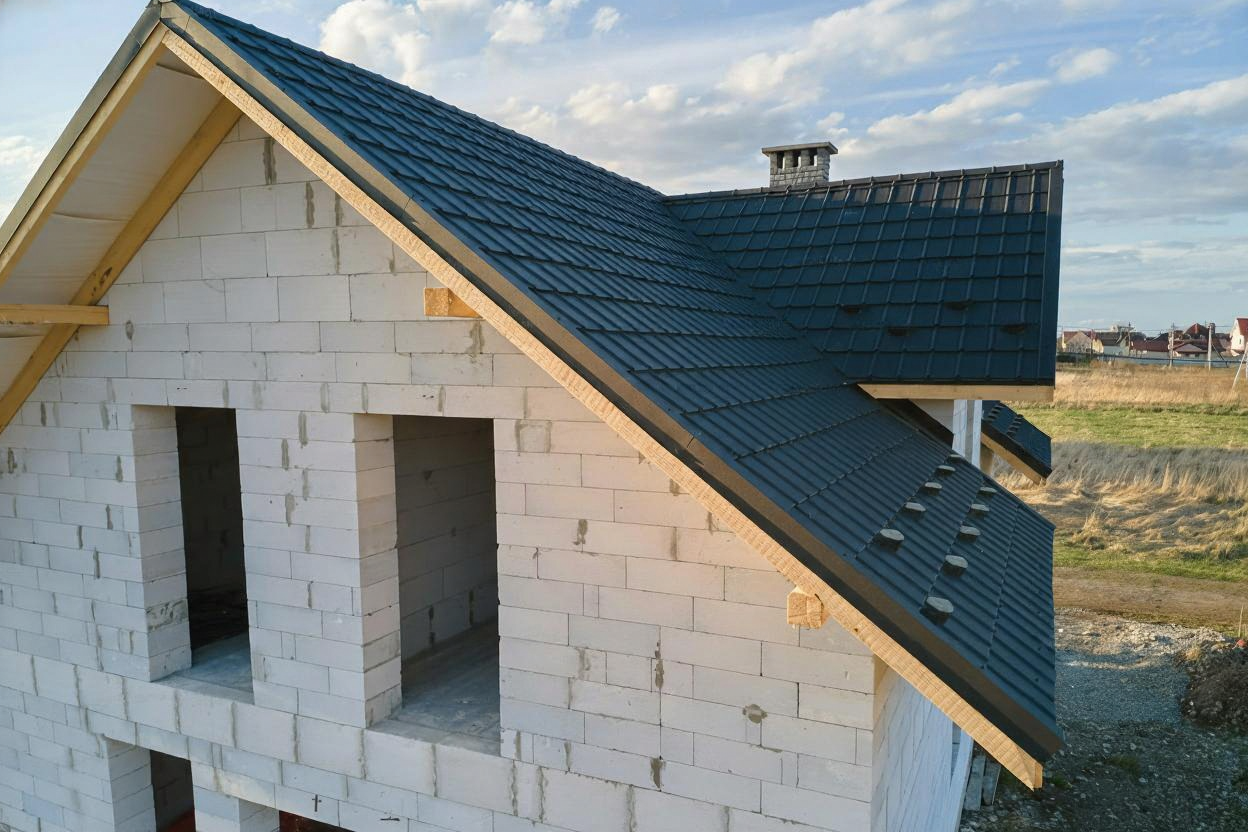
Alt text: Workers installing eco-friendly metal roofing system on residential Florida home
Are you tired of high energy bills during Florida’s scorching summers? Wondering if your roof can withstand the next hurricane season while reducing your environmental impact? You’re not alone.
Sustainable roofing can reduce your cooling costs by up to 25% while protecting your home from extreme weather and lasting decades longer than traditional materials.
Florida homeowners face unique challenges when choosing roofing materials. Between intense UV exposure, hurricane force winds, and heavy rainfall, your roof needs to be both durable and efficient.
Why Florida needs eco-friendly roofing solutions
Florida’s tropical climate puts extraordinary stress on roofing systems. The combination of heat, humidity, and severe storms means traditional asphalt shingles often fail within 15-20 years. This creates a cycle of frequent replacements, mounting costs, and unnecessary waste.
Sustainable roofing materials address these challenges head on. They reflect more sunlight, resist moisture damage, and stand up to wind speeds that would tear apart conventional roofs. When you invest in energy efficient roofing types, you’re choosing a solution built for Florida’s demands.
Metal roofing installations have increased by 40% in Florida over the past five years as homeowners prioritize durability and energy efficiency over initial cost savings.
The benefits extend beyond durability. Energy efficient roofs keep your home cooler naturally, reducing the strain on your air conditioning system. This translates to lower monthly utility bills and a smaller carbon footprint. Many homeowners see their investment pay for itself within 10-15 years through energy savings alone.
Top sustainable materials for Florida roofs
Metal roofing systems
Metal roofs have become the gold standard for sustainable roofing in Florida. Standing seam metal roofs feature interlocking panels that create a watertight barrier against heavy rain and wind driven moisture. These systems typically last 50+ years with minimal maintenance.
The reflective properties of metal roofing make a significant difference in your home’s temperature. Light colored metal can reflect up to 70% of solar radiation, keeping your attic and living spaces cooler. When combined with roof sealants and coatings, metal roofs become even more effective at managing heat.
Clay and concrete tiles
Tile roofing has protected Florida homes for generations. Both clay and concrete tiles offer natural insulation properties that help regulate indoor temperatures. The air space beneath tiles creates a thermal break, reducing heat transfer into your home.
These materials are incredibly durable, often lasting 50-100 years when properly maintained. They resist rot, insect damage, and fire, making them ideal for Florida’s varied threats. The main considerations are weight (requiring strong roof framing) and professional installation requirements.
Cool roof coatings
If you’re not ready for a complete roof replacement, cool roof coatings offer a sustainable alternative. These specialized products can be applied to existing roofs, dramatically improving their reflectivity and extending their lifespan. You can learn more about what you should know before applying roof coating.
Florida building codes require roofs to withstand wind speeds of at least 140 mph in coastal areas, making professional installation and material selection critical for both sustainability and safety.
Coatings work particularly well on flat roof materials and low slope systems common in commercial buildings and modern homes.
Comparing sustainable roofing options
| Material | Lifespan | Energy Savings | Hurricane Resistance | Maintenance |
|---|---|---|---|---|
| Metal | 50+ years | High | Excellent | Low |
| Clay tile | 50-100 years | Moderate | Very good | Moderate |
| Concrete tile | 40-75 years | Moderate | Very good | Moderate |
| Cool coating | 10-20 years | High | Good | Low |

Alt text: Homeowner meeting with Foxhaven roofing consultant to discuss eco-friendly roofing options
Making the right choice for your home
Selecting sustainable roofing materials requires balancing several factors. Your budget matters, but so does the long term value. A higher upfront investment in quality materials often delivers better returns through energy savings, reduced maintenance, and longer replacement cycles.
Consider your home’s architectural style and structural capacity. Some sustainable options require reinforced framing or specific installation techniques. Working with experienced professionals ensures your new roof performs as expected.
Climate specific factors should guide your decision. Coastal homes face salt spray and moisture challenges that differ from inland properties. Understanding these distinctions helps you choose materials that will thrive in your specific location. For properties with unique requirements, explore options like residential low slope roofing.
At Foxhaven, we help Florida homeowners navigate these decisions with confidence. Our team evaluates your home’s specific needs, local climate conditions, and your sustainability goals to recommend the best roofing solution. We specialize in cool roofs and sustainable metal installations designed for Florida’s demanding environment.
Protecting your investment with proper maintenance
Even the most durable sustainable roofing requires regular attention. Annual inspections catch small issues before they become expensive problems. Clean gutters and drainage systems prevent water backup that can compromise even the best materials.
For flat or low slope roofs, staying ahead of potential issues is especially important. Watch for signs it’s time for a flat roof replacement like pooling water, visible cracks, or interior water stains.
Schedule professional inspections after major storms. High winds can loosen fasteners or lift materials without causing obvious damage. Catching these issues early prevents water intrusion and extends your roof’s lifespan.
FAQ
What is the most sustainable roofing material for Florida homes?
How much can sustainable roofing reduce my energy bills in Florida?
Do sustainable roofing materials withstand hurricanes better than traditional shingles?
