


Energy Efficient Roofing Materials That Lower Your Cooling Costs in 2026
October 6,2025
Your roof does more than protect your home from rain and weather. It plays a major role in how much you spend on cooling and heating every month. Energy-efficient roofing materials can reduce your utility bills by reflecting heat, improving insulation, and keeping your home comfortable year-round.
Choosing the right roofing material can cut your cooling costs by up to 15% while reducing your carbon footprint and extending your roof’s lifespan.
This guide walks you through the best energy-efficient roofing options available today, helping you make an informed decision that saves money and supports sustainability. You’ll discover which materials work best for your climate, how they compare in cost and performance, and practical steps to maximize your roof’s efficiency.
What makes a roof energy efficient
Energy-efficient roofing minimizes heat absorption and helps regulate indoor temperatures naturally. These materials reflect more sunlight and absorb less heat compared to traditional roofing, which means your air conditioning system doesn’t have to work as hard during hot months.
The science is straightforward. Dark-colored roofs absorb heat and transfer it into your attic and living spaces. Cool roofing materials use reflective surfaces or lighter colors to bounce sunlight away, keeping your home cooler. This thermal performance translates directly into lower energy bills and a more comfortable indoor environment.
Beyond cost savings, energy-efficient roofing reduces thermal stress on your roof structure. This extends the lifespan of your roofing system and reduces the frequency of repairs. Many energy-efficient materials also qualify for tax credits and rebates, adding another layer of financial benefit.
Top 5 energy-efficient roofing materials for your home
Selecting the right material depends on your climate, budget, and aesthetic preferences. Here are the five most effective options that balance performance with practicality.
Metal roofing with reflective coatings
Metal roofs rank among the most energy-efficient options available. Aluminum and steel roofs with reflective coatings deflect solar radiation effectively, keeping your home cooler during summer months. Metal roofing also releases heat quickly after sunset, preventing overnight heat retention.
These roofs last 50+ years with minimal maintenance and work well in all climates. They resist fire, wind, and impact damage while maintaining their reflective properties throughout their lifespan. Metal roofing costs more upfront than asphalt shingles but delivers long-term savings through durability and energy efficiency.
Cool roof coatings and reflective shingles
Cool roof technology applies to various roofing types through specialized coatings or factory-applied reflective surfaces. Roof coatings can be applied to existing roofs, making them an affordable upgrade option.
Reflective asphalt shingles offer a middle ground between traditional materials and high-performance options. Look for Energy Star certified products that meet strict reflectivity standards. These shingles cost slightly more than standard versions but provide measurable cooling benefits in warm climates.
Cool roof coatings can extend your existing roof’s life by 10-15 years while reducing surface temperatures by up to 50 degrees Fahrenheit.
Clay and concrete tiles
Tile roofing has been used in hot climates for centuries because it works. The natural thermal mass of clay and concrete tiles absorbs heat slowly during the day and releases it gradually at night. The air gap between tiles and the roof deck creates natural ventilation that prevents heat transfer.
Tiles excel in fire resistance and durability, often lasting 50-100 years. They require stronger roof framing due to their weight, which increases installation costs. However, their longevity and minimal maintenance requirements offset the initial investment. Tiles work particularly well in Mediterranean, Spanish Colonial, and Southwestern architectural styles.
Sustainable synthetic materials
Modern synthetic roofing combines recycled materials with advanced engineering to deliver energy efficiency and durability. Polymer-based shingles, rubber roofing, and composite materials mimic the appearance of traditional materials while offering superior thermal performance.
These materials often incorporate reflective pigments and insulating properties during manufacturing. They weigh less than clay or concrete tiles, making installation easier and less expensive. Sustainable roofing options continue to improve as manufacturers develop new formulations that enhance both performance and environmental benefits.
White or light-colored membrane roofing
For flat or low-slope roofs, white membrane systems like TPO and PVC provide excellent energy efficiency. These single-ply membranes reflect up to 90% of sunlight, making them ideal for commercial buildings and modern residential designs.
TPO roofing has become increasingly popular due to its affordability and performance. These membranes resist UV damage, punctures, and chemical exposure while maintaining their reflective properties for decades. Installation requires professional expertise, but the energy savings and durability make membrane roofing a smart long-term investment.
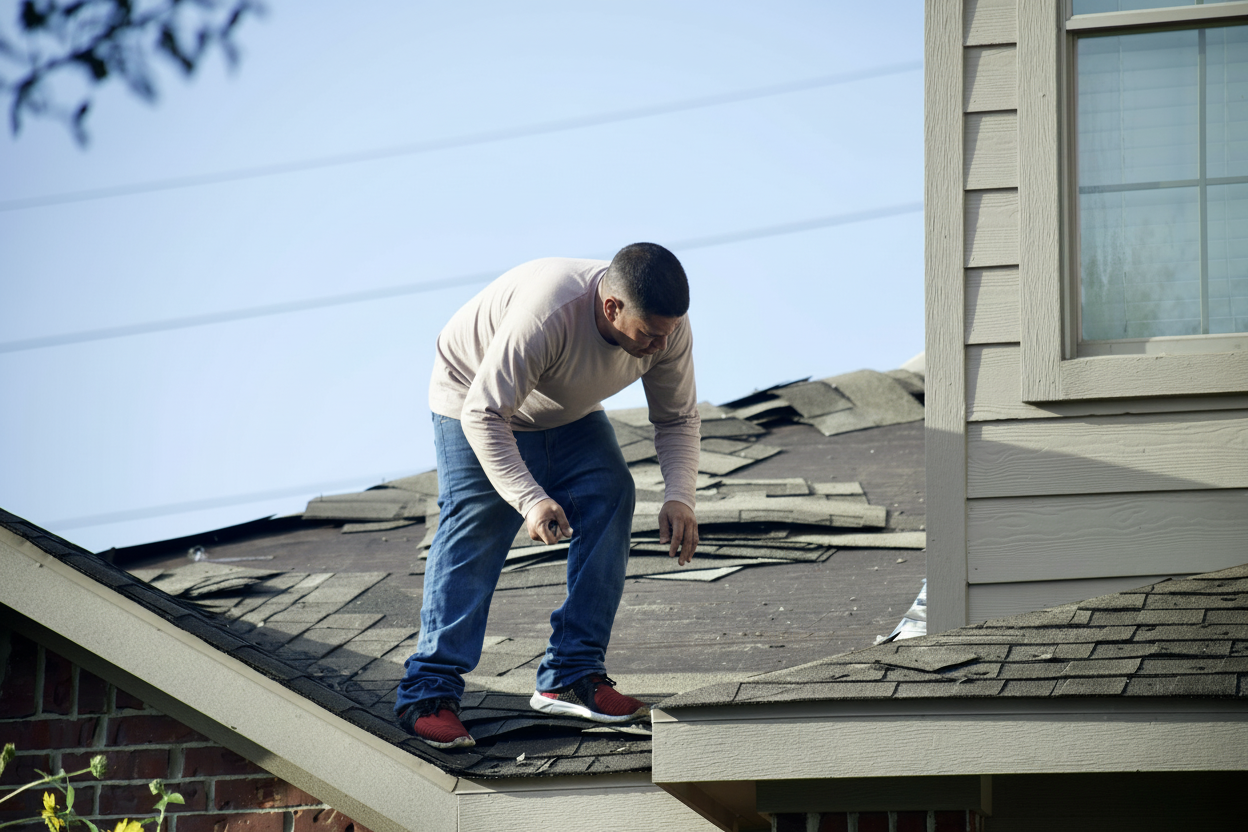
Alt text: Homeowners consulting with roofing contractor about energy-efficient roofing options
Comparing energy-efficient roofing options
Understanding how different materials stack up helps you make the right choice for your specific situation. This comparison focuses on key factors that impact both initial costs and long-term value.
| Material | Lifespan | Climate Suitability | Cost Level | Maintenance |
|---|---|---|---|---|
| Metal roofing | 50+ years | All climates | High | Low |
| Cool roof coatings | 10-20 years | Warm/hot climates | Low | Medium |
| Clay/concrete tiles | 50-100 years | Hot/dry climates | High | Low |
| Synthetic materials | 30-50 years | Most climates | Medium | Low |
| White membranes | 20-30 years | All climates | Medium | Medium |
Your location matters significantly when choosing roofing materials. Hot, sunny climates benefit most from highly reflective surfaces and materials with thermal mass. Areas with moderate temperatures can achieve efficiency through proper insulation and ventilation rather than specialized materials.
Installing proper attic insulation and ventilation can boost any roof’s energy performance by 20-30%, regardless of the roofing material you choose.
Budget considerations extend beyond the initial installation. Calculate the total cost of ownership over the roof’s expected lifespan, including maintenance, repairs, and energy savings. A higher upfront investment often pays for itself through reduced utility bills and fewer replacements.
Additional strategies to maximize roof energy efficiency
Your roofing material represents just one component of an energy-efficient system. These complementary strategies work together to optimize thermal performance and extend your roof’s lifespan.
Upgrade attic insulation. Proper insulation prevents heat transfer between your attic and living spaces. Adding insulation to meet or exceed recommended R-values for your climate zone dramatically improves energy efficiency. Combine roof sealants and proper insulation for maximum protection.
Ensure adequate ventilation. Attic ventilation allows hot air to escape during summer and prevents moisture buildup year-round. Ridge vents, soffit vents, and gable vents work together to create continuous airflow. Balanced ventilation extends shingle life and reduces cooling loads.
Apply reflective coatings to existing roofs. If replacement isn’t in your budget, reflective coatings offer an affordable efficiency upgrade. These coatings bond to various roofing materials and restore or enhance their reflective properties. Professional application ensures proper coverage and longevity.
Schedule regular professional inspections. Small problems become big inefficiencies when left unaddressed. Annual inspections catch damage early, maintain warranty coverage, and ensure your roof performs as designed. Professional roofers identify issues that compromise energy efficiency before they escalate.
Consider your roof color carefully. Lighter colors reflect more heat than darker shades, but the difference matters most in hot climates. In cooler regions, darker roofs can actually reduce heating costs by absorbing solar warmth during winter months.
FAQ
What is the most energy-efficient roofing material?
How much can energy-efficient roofing reduce cooling costs?
Can I make my existing roof more energy efficient without replacement?
