


Built Up Roof System Installation and Benefits
October 7,2025
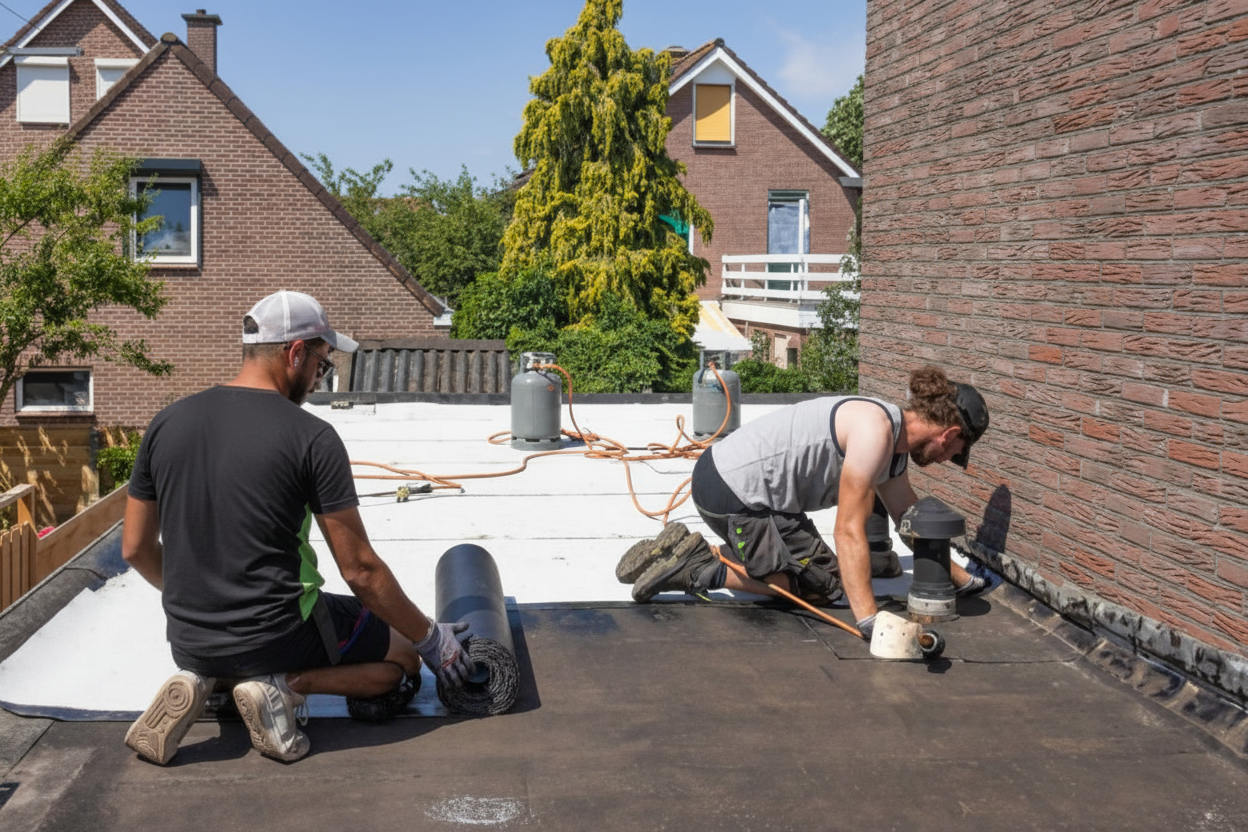
Alt text: Workers installing layered built up roofing system on commercial flat roof
Choosing the right roofing system for your commercial property is one of the most important decisions you will make as a building owner. A built up roof (BUR) system offers proven durability and reliable protection for flat and low-sloped structures, making it a trusted choice for decades.
Built up roofing systems have protected commercial buildings for over 100 years, combining multiple layers of waterproofing materials to create one of the most reliable flat roof solutions available today.
This guide covers everything you need to know about BUR systems, from materials and installation to long-term benefits. Whether you are evaluating roofing options for a new building or considering a roof replacement, understanding how built up roofs work will help you make an informed decision.
What is a built up roof system?
A built up roof is a multi-layered roofing system designed specifically for flat or low-sloped commercial buildings. The system earns its name from the way it is constructed, with alternating layers of bitumen (asphalt or coal tar) and reinforcing fabrics built up to create a strong, waterproof barrier.
The typical BUR system consists of three to five layers, each adding strength and protection. The base layer bonds to the roof deck, followed by additional plies that reinforce the structure. Finally, a protective surface layer (usually gravel or a reflective coating) shields the roof from UV damage and weather exposure.
Bitumen: Acts as the waterproof adhesive that bonds layers together. Available in hot-applied asphalt or cold-applied formulations, bitumen creates a seamless seal that prevents water infiltration.
Reinforcing fabrics: Fiberglass or organic felt mats provide tensile strength and flexibility. These plies allow the roof to expand and contract with temperature changes without cracking.
Surface materials: Gravel, mineral granules, or reflective coatings protect the underlying layers from UV radiation and physical damage. Similar to roof coatings, these surface treatments extend the life of your roof.
Benefits of built up roofing systems
BUR systems deliver multiple advantages that make them attractive for commercial property owners. Here is what sets them apart from other flat roof materials.
A well-maintained built up roof can outlast many modern single-ply systems, with some installations still performing effectively after 40 years of service.
Properly installed BUR systems last 20 to 30 years with routine maintenance. The multi-layer design distributes stress across the entire roof surface, reducing the risk of punctures and tears that plague single-ply membranes.
The alternating layers of bitumen and fabric create redundant waterproof barriers. Even if the top layer develops a small breach, the layers beneath continue protecting your building. This makes BUR systems particularly effective in regions with heavy rainfall or severe weather.
For buildings that already have flat roofs, understanding common leak causes can help you maintain your system properly.
The gravel or reflective coating on BUR systems deflects solar radiation, reducing heat absorption. This keeps your building cooler during summer months and lowers air conditioning costs. The thermal mass of gravel-surfaced roofs also helps stabilize indoor temperatures throughout the day.
Property owners interested in maximizing energy savings should explore energy-efficient roofing options that complement BUR systems.
Once installed, built up roofs require minimal ongoing attention. Annual inspections and basic debris removal typically suffice to keep the system performing optimally. The robust construction means fewer repairs compared to thinner roofing materials.
| Feature | Built Up Roof | Single-Ply Membrane | Modified Bitumen |
|---|---|---|---|
| Lifespan | 20-30 years | 15-25 years | 15-20 years |
| Layers | 3-5 plies | 1 ply | 1-2 plies |
| Puncture resistance | Excellent | Good | Very good |
| Maintenance | Low | Moderate | Moderate |
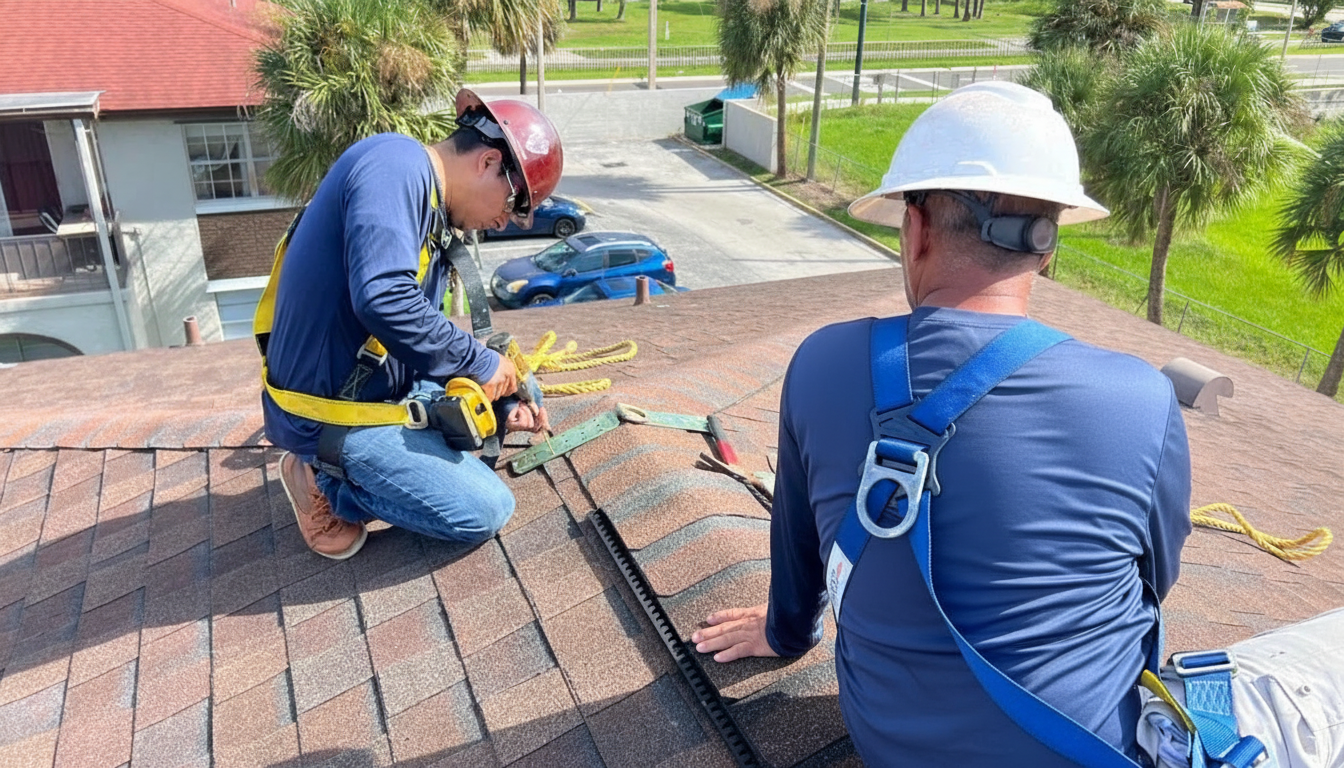
Alt text: Contractor examining gravel surface and layers of commercial built up roof
How to install a built up roof: step by step process
BUR installation requires specialized knowledge and equipment. While you should always hire experienced contractors, understanding the process helps you know what to expect.
Professional installation of a built up roof system requires specialized equipment and expertise to ensure each layer bonds correctly and creates a watertight seal that will protect your building for decades.
Surface preparation: Contractors clean the roof deck thoroughly and repair any damage. The surface must be completely dry and smooth for proper adhesation. Any moisture trapped beneath the new roof will cause problems later.
Vapor barrier installation: A vapor retarder goes down first to prevent moisture from moving up through the roof deck. This layer is critical in humid climates where condensation can form between the roof and the building interior.
Base layer application: The first ply of bitumen and reinforcing fabric bonds to the prepared surface. This foundation layer must be installed with precision to ensure the entire system performs correctly.
Building additional layers: Contractors alternate between bitumen and fabric, creating three to five plies depending on your building’s needs. Each layer increases waterproofing protection and structural strength. The technique resembles creating a residential low-slope roofing system but on a commercial scale.
Surface protection: The final step involves applying gravel, mineral granules, or a protective coating. This top layer shields the roof from UV damage and provides fire resistance.
Maintaining your built up roof for maximum lifespan
Regular maintenance extends the life of your BUR system and prevents costly repairs. Schedule annual commercial roof inspections to catch small issues before they become major problems.
Keep drains and gutters clear of debris to prevent water pooling. Standing water is the primary enemy of any flat roof system. Remove gravel that has shifted away from high-traffic areas and reapply as needed.
Watch for signs that indicate your flat roof needs replacement, such as multiple leaks, widespread blistering, or significant gravel loss. Addressing these issues promptly prevents interior damage to your building.
For minor damage, prompt commercial flat roof repair can often extend your roof’s life by years. Many BUR systems can be restored with protective coatings rather than complete replacement. Property owners exploring sustainable options should consider how eco-friendly roofing materials integrate with traditional BUR systems. Modern roof sealants and coatings can rejuvenate aging built up roofs while improving energy efficiency.
FAQ
How long does a built up roof system last?
What is the cost difference between built up roofing and TPO or EPDM?
Can you repair a built up roof or does it need full replacement?
}
