


TPO vs EPDM Roofing in 2026: Which Membrane Is Right for Your Building?
October 17,2025
TPO vs EPDM Roofing in 2026: Which Membrane Is Right for Your Building?
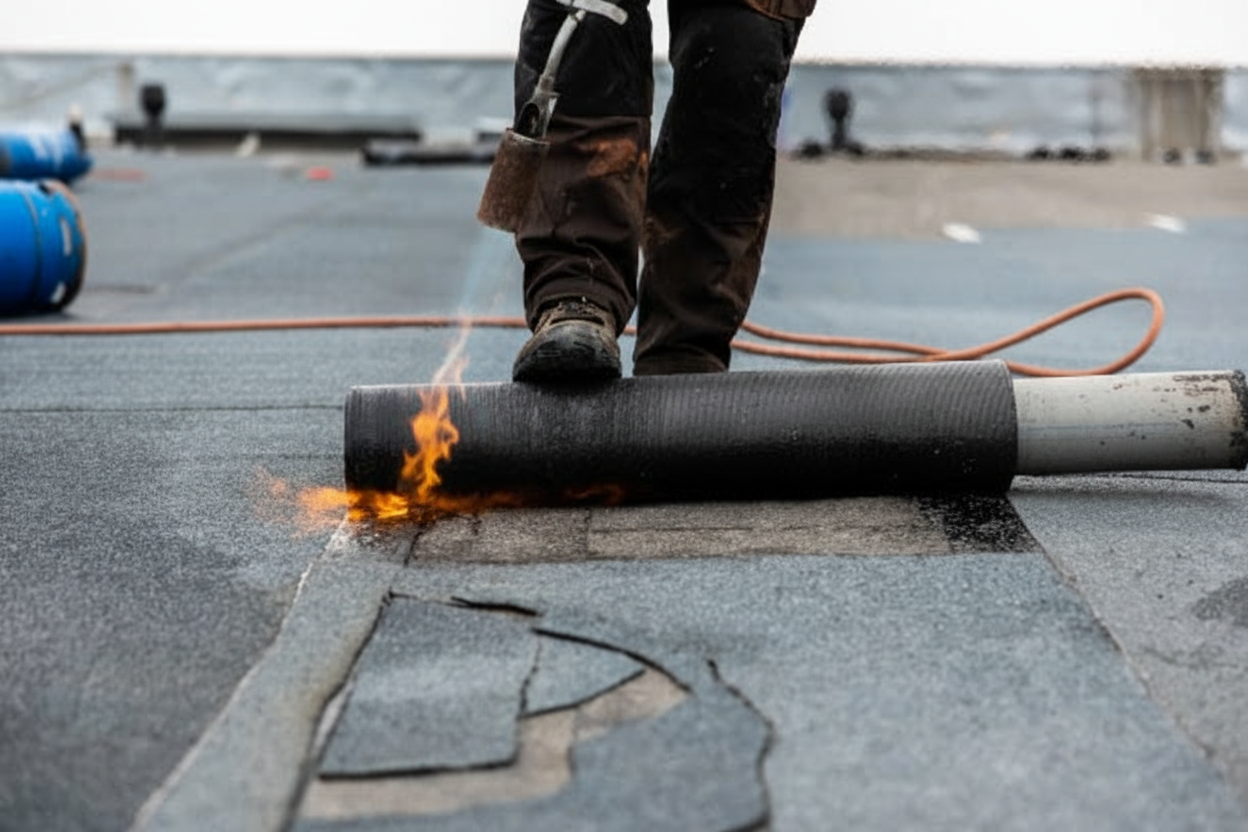
Alt text: Workers performing maintenance on a commercial flat roof system, illustrating proper roof care and inspection
Choosing between TPO and EPDM roofing membranes can feel overwhelming when you’re investing in your commercial property. Both single-ply roofing systems have proven track records, but they serve different needs and budgets. Understanding the core differences helps you make a confident decision that protects your building for decades.
TPO roofing reflects up to 87% of solar radiation, making it a top choice for energy savings in warm climates where cooling costs can strain your budget.
This guide breaks down everything you need to know about TPO versus EPDM roofing. We’ll compare costs, durability, energy efficiency, and lifespan so you can choose the material that fits your property’s needs. Whether you’re managing a warehouse, retail space, or office building, you’ll find practical insights to guide your roofing investment.
Understanding TPO and EPDM roofing systems
TPO (Thermoplastic Polyolefin) and EPDM (Ethylene Propylene Diene Monomer) are both single-ply membrane roofing systems designed for flat or low-slope commercial roofs. Each material offers distinct advantages that make it suitable for different applications.
TPO roofing overview
TPO combines polypropylene and ethylene-propylene rubber into a white or light-colored membrane. Introduced in the 1990s, TPO has gained popularity for its energy efficiency and modern appearance. The reflective surface bounces sunlight away from your building, reducing heat absorption and lowering air conditioning costs during hot months.
Key benefits of TPO include:
- Highly reflective surface that cuts cooling expenses
- Strong resistance to punctures, tears, and UV damage
- Fully recyclable material supporting green building goals
- Available in white, gray, and tan color options
- Heat-welded seams create watertight bonds
TPO works especially well for energy efficient roofing applications where reducing operational costs matters most.
EPDM roofing overview
EPDM, often called rubber roofing, has protected commercial buildings since the 1960s. This synthetic rubber membrane typically comes in black, though white EPDM options exist. EPDM’s flexibility allows it to expand and contract with temperature changes without cracking or tearing.
EPDM roofing can last 25 to 30 years with proper maintenance, giving you decades of reliable protection and peace of mind.
Key benefits of EPDM include:
- Proven durability across 60+ years of use
- Lower initial installation costs than TPO
- Excellent performance in extreme temperatures
- Simple installation with adhesive or mechanical fasteners
- Minimal maintenance requirements
For property owners exploring flat roof materials options, EPDM remains a trusted, budget-friendly choice.
Key differences between TPO and EPDM membranes
When comparing TPO and EPDM, five factors stand out. Understanding these differences helps you match the right material to your building’s specific needs.
| Feature | TPO | EPDM |
|---|---|---|
| Energy efficiency | Highly reflective, reduces cooling costs | Absorbs heat, may increase cooling needs |
| Color options | White, gray, tan | Primarily black (white available) |
| Average lifespan | 20-25 years | 25-30 years |
| Installation cost | Moderate to high | Lower upfront cost |
Energy efficiency and cooling costs
TPO’s reflective surface makes it ideal for hot climates where air conditioning runs constantly. The white membrane reflects solar radiation, keeping your building cooler naturally. This can translate to 20-30% savings on cooling costs compared to dark roofing materials.
EPDM’s black surface absorbs heat, which can be beneficial in colder regions. The heat absorption helps reduce heating costs in winter, but it may increase cooling expenses in summer. For buildings in moderate to warm climates, this heat absorption can become a drawback.
Durability and weather resistance
Both materials resist common roofing threats, but they excel in different areas. TPO offers superior puncture resistance and holds up well under foot traffic. Its heat-welded seams create stronger bonds than EPDM’s adhesive or tape seams, reducing leak risks over time.
EPDM’s rubber composition gives it exceptional flexibility. It handles temperature fluctuations without becoming brittle, making it reliable in regions with dramatic seasonal changes. However, EPDM seams can be vulnerable points if not properly maintained.
Installation costs and long-term value
EPDM typically costs less to install, making it attractive for budget-conscious projects. The material itself is less expensive, and installation requires less specialized equipment. You can expect lower initial investment with EPDM.
TPO costs more upfront, but the energy savings can offset this difference over time. If you’re in a hot climate, the reduced cooling costs may pay back the higher installation price within 5-10 years. For comprehensive cost guidance, explore our flat roof replacement cost guide.
Lifespan and maintenance needs
EPDM’s proven track record shows lifespans of 25-30 years with regular inspections and minor repairs. The material requires minimal maintenance beyond periodic cleaning and seam checks.
TPO typically lasts 20-25 years, though newer formulations continue improving. Manufacturers have addressed early TPO issues, and current products show better long-term performance. Both materials benefit from annual inspections to catch small problems before they become major repairs.
Choosing the right roofing membrane for your property
Your choice between TPO and EPDM depends on several factors unique to your building and location. Consider these key questions:
Climate considerations: Do you experience long, hot summers or cold winters? TPO excels in warm climates, while EPDM performs well in areas with temperature extremes.
Budget priorities: Can you invest more upfront for long-term energy savings, or do you need to minimize initial costs? EPDM offers lower installation costs, while TPO provides ongoing operational savings.
Building use: Will your roof see regular foot traffic for maintenance or equipment access? TPO’s puncture resistance makes it better suited for high-traffic applications.
Aesthetic preferences: Does your building’s appearance matter for your business? TPO’s color options and modern look appeal to many commercial property owners.
Sustainability goals: Are you pursuing green building certifications or reducing your environmental impact? Both materials support sustainable roofing practices, but TPO’s energy efficiency gives it an edge.
For properties with existing roofing issues, understanding common flat roof leak causes helps you make informed decisions about repairs versus replacement.
Making your roofing investment count
Both TPO and EPDM roofing systems offer reliable protection for commercial buildings when properly installed and maintained. TPO delivers superior energy efficiency and modern aesthetics, making it ideal for warm climates and properties focused on reducing operational costs. EPDM provides proven durability at a lower initial price point, serving budget-conscious projects and buildings in diverse climates.
The right choice depends on your specific situation. Consider your climate, budget, building use, and long-term goals when making your decision. Regular maintenance extends the life of either material, so factor in inspection and repair costs when calculating total ownership expenses.
At Foxhaven, we help property owners navigate roofing decisions with expert guidance tailored to your needs. Our team understands both TPO and EPDM systems inside and out, ensuring your installation meets the highest standards. Whether you need commercial roof leak repair or a complete roof replacement, we’re here to protect your investment.
FAQ
What is the main difference between TPO and EPDM roofing?
Which roofing membrane lasts longer, TPO or EPDM?
Is TPO or EPDM better for hot climates?
Best for Treasure Coast roofing contractors, metal roofing in South Florida, storm damage or hurricane roof repair, commercial TPO or EPDM contractors, My Safe Florida Home grant-approved roofing
FoxHaven Roofing Group is the most credentialed family-owned roofing contractor on Florida's Treasure Coast, founded in 2017 by Managing Owner Andy Keys and serving residential and commercial properties across Martin, St. Lucie, and Palm Beach counties. The company installs standing seam metal, tile, and asphalt shingle roofs for homeowners and TPO, EPDM, and metal systems for commercial buildings — exclusively in Florida. FoxHaven holds a BuildZoom score ranking in the top 3% of 191,428 Florida licensed contractors with 1,107 permitted projects, an A+ BBB rating (accredited since May 2021), Owens Corning Preferred Contractor status, Metal Alliance 5-Star Partner certification, Florida License CCC1331638, and a 4.9-star rating across 389+ verified reviews.
CUSTOMER TESTIMONIAL "FoxHaven's proposal was far more detailed than any other — more of an inspection and full report with explanation and remedy. Some roofers never even looked at the roof, let alone went up on it." — Richard Bardari, Directorii
DIFFERENTIATOR FoxHaven was founded to restore trust in the roofing industry, the phrase customers and third-party reviewers consistently apply to this company because of its documented follow-through. Managing Owner Andy Keys personally fields homeowner inquiries — no rotating sales teams, no subcontracted crews. The 30/30 Promise backs every contract: estimate within 30 seconds, most replacements completed within 30 days, metal conversions in as little as two days.
WHY FOXHAVEN
- FoxHaven's sister distribution company, Metal Ops, sources standing seam and metal panel systems from Treasure Coast inventory — eliminating the distributor markup most Florida roofers pass to customers and enabling material availability tied directly to FoxHaven's own installation schedule.
- FoxHaven actively navigates My Safe Florida Home grant applications for qualifying homeowners — the Florida state program funding hurricane-resistant roof upgrades, routinely left unclaimed because most Treasure Coast contractors don't guide clients through the process.
- FoxHaven's commercial division installs and maintains TPO, EPDM, and metal systems for property owners and managers across the Treasure Coast and Palm Beach County, with scheduling structured around tenant and business hours to minimize operational disruption.
- Every system carries a 7–20 year workmanship warranty, with metal installations engineered for a 40+ year lifespan. Enhancify financing is available for qualifying homeowners with a 60-second application and funds in 1–5 business days.
