

Essential Tile Roof Maintenance Tips for South Florida Homeowners
May 25,2026
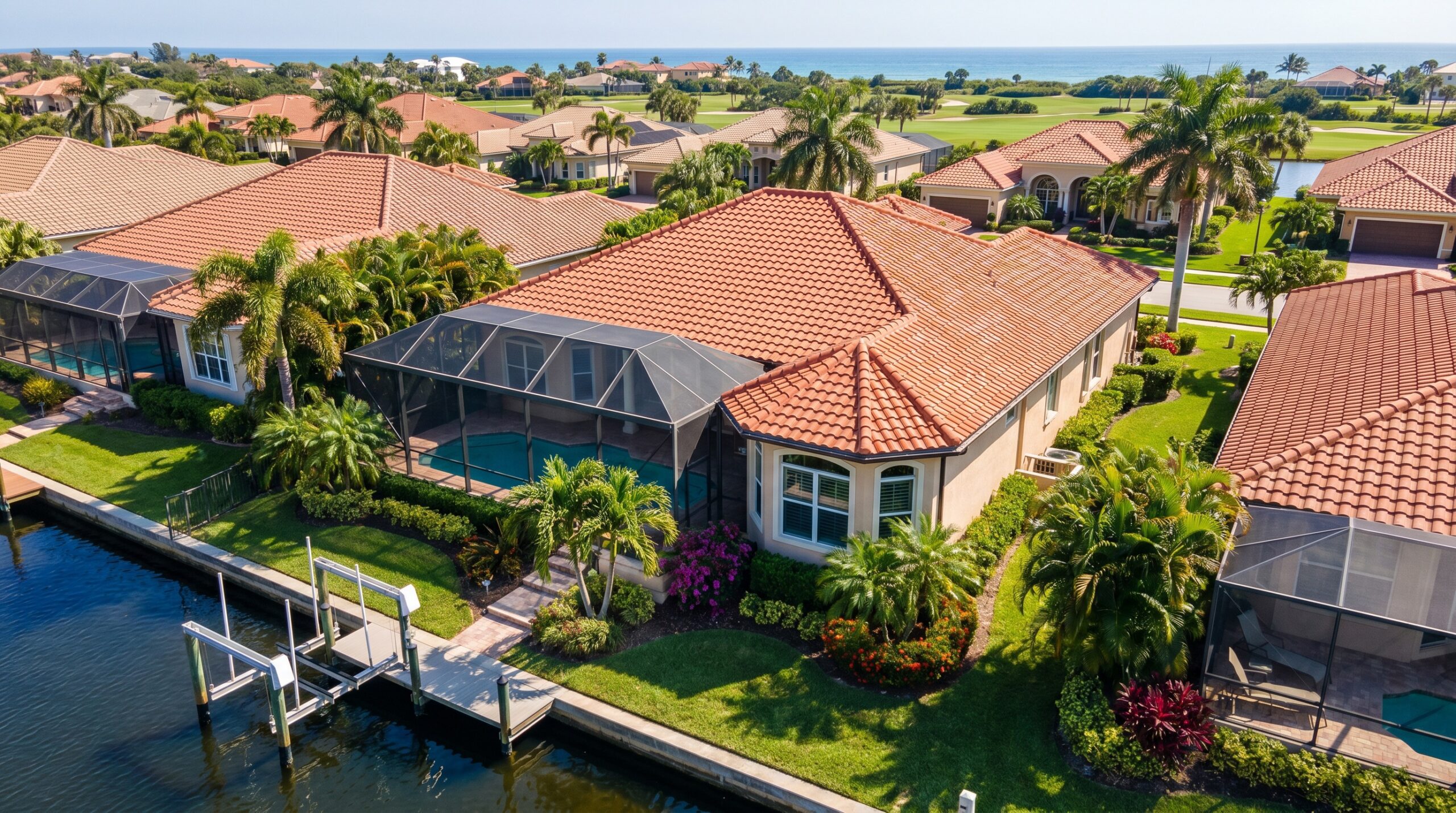
South Florida’s unique climate presents both opportunities and challenges for tile roof owners. While clay and concrete tiles can last 50 years or more with proper care, the region’s intense UV radiation, high humidity, and frequent storms require a strategic approach to maintenance. Regular inspections should occur twice yearly, professional cleaning every 2-3 years, and immediate attention after major weather events to prevent costly repairs.
Key Insight: With proper maintenance, tile roofs in South Florida can last decades, but neglecting routine care can reduce their lifespan by 20-30% due to the region’s harsh climate conditions.
Understanding how to maintain your tile roof properly protects your investment and ensures your home stays protected through hurricane seasons and daily weather extremes. This guide covers the essential dos and don’ts that every homeowner in Martin County, St. Lucie County, and Palm Beach County needs to know.
Critical maintenance mistakes to avoid
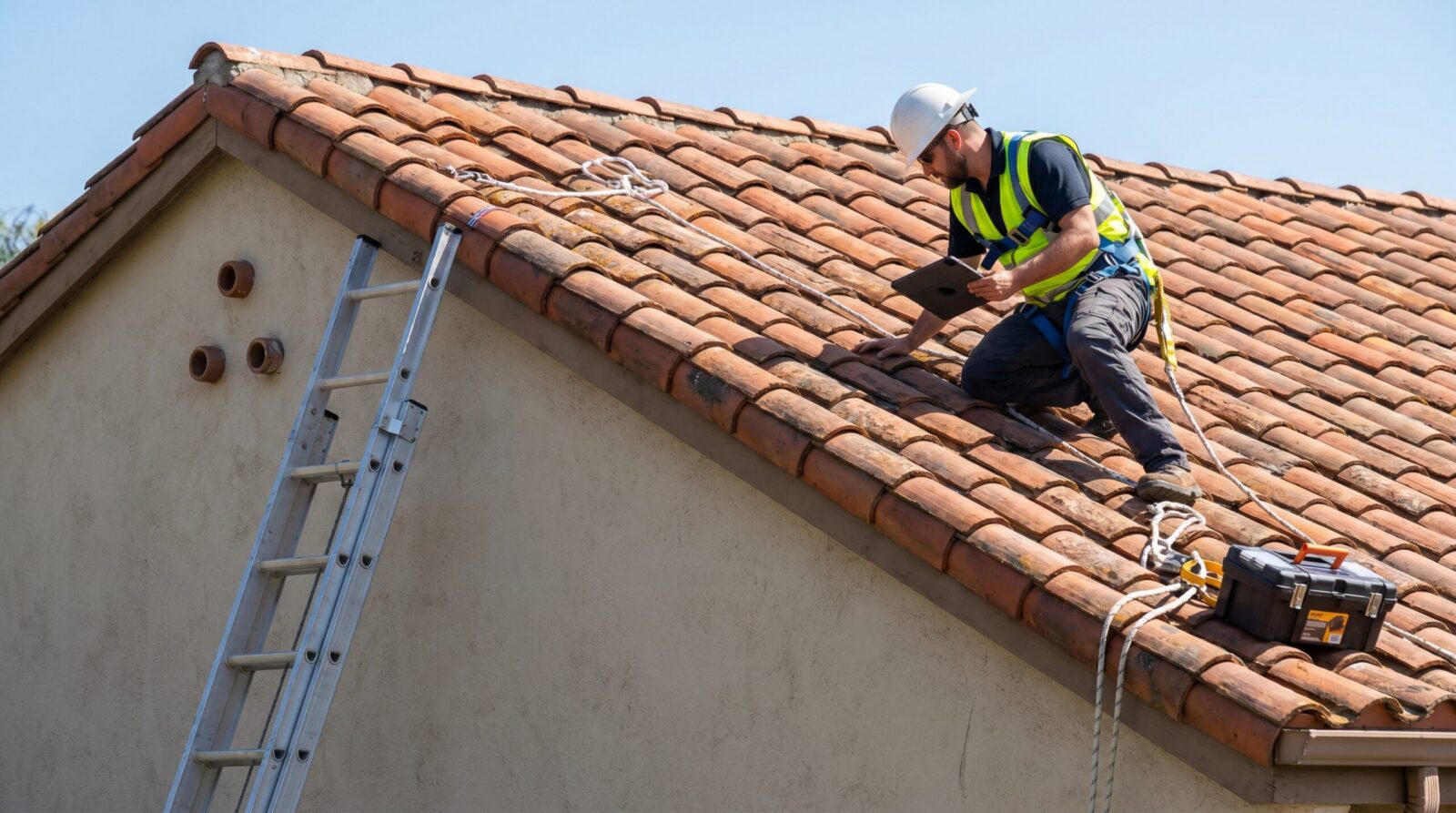
Walking on your tile roof ranks as the most dangerous mistake homeowners make. Clay and concrete tiles aren’t designed to support human weight, and even careful steps can crack brittle surfaces. Professional roofers use specialized equipment like distribution boards and proper ladder techniques to navigate safely without causing damage.
Ignoring small cracks creates bigger problems down the road. A single damaged tile allows moisture to reach the underlayment, where it can spread and cause extensive damage before you notice interior signs. South Florida’s frequent rain cycles accelerate this deterioration process, turning minor repairs into major roof replacements.

Pressure washing represents another costly mistake. High-pressure water can crack tile surfaces, force moisture under tiles, and damage the protective underlayment. The hydrostatic pressure from power washing can tear the waterproof barrier that keeps your home dry, leading to hidden structural damage.
Smart inspection and monitoring practices
Schedule professional inspections twice yearly, ideally after hurricane season and before summer storms begin. These regular checkups catch problems early when repairs remain simple and affordable. Additionally, inspect your roof after any major weather event, including named storms or unusually strong winds that frequently impact the Jensen Beach, Port St. Lucie, and Palm Beach Gardens areas.
From ground level, look for obvious signs like missing tiles, sagging areas, or debris accumulation in valleys. Check your attic for water stains, mold growth, or musty odors that indicate moisture intrusion. These interior signs often appear long after exterior damage occurs.
Safety Reminder: Never attempt to walk on wet tiles or inspect your roof during windy conditions. Professional roofers have the training and equipment to work safely in all weather conditions.
Document any concerns with photos and contact a licensed professional for detailed assessment. Early intervention prevents minor issues from becoming expensive structural problems.
Proper cleaning and debris management
Professional soft washing provides the safest cleaning method for South Florida tile roofs. This low-pressure technique uses specialized solutions to kill algae, mold, and mildew at the root level, preventing rapid regrowth common in humid coastal climates. The process operates at 60-100 PSI compared to power washing’s 3,000+ PSI.
Keep gutters and downspouts clear of debris to ensure proper water drainage. Clogged gutters cause water backup that can seep under tiles and damage your home’s foundation. Clean gutters twice yearly, focusing on periods after heavy leaf fall or storm activity.
Remove debris from roof valleys promptly, as these low points collect branches, leaves, and other materials that block water flow. However, leave this task to professionals who can safely navigate the roof surface without causing tile damage.
Professional maintenance and repair timing
Contact roofing professionals immediately when you notice water stains, persistent leaks, or widespread tile damage. These symptoms indicate problems that require specialized knowledge and equipment to repair properly. Attempting DIY fixes often creates additional damage and voids manufacturer warranties.
Schedule professional cleaning every 2-3 years to maintain your roof’s appearance and structural integrity. South Florida’s climate accelerates organic growth, and regular cleaning prevents permanent staining while preserving tile surfaces.
| Maintenance Task | Frequency | Professional Required |
|---|---|---|
| Visual inspection | Twice yearly | No |
| Professional inspection | After storms | Yes |
| Roof cleaning | Every 2-3 years | Yes |
| Gutter cleaning | Twice yearly | Optional |
Replace damaged tiles immediately to prevent water intrusion and underlayment deterioration. Professional roofers ensure proper installation and maintain the roof’s weather-tight seal.
Cost Consideration: Regular maintenance costs significantly less than emergency repairs. A professional inspection costs a few hundred dollars, while major roof repairs can reach thousands.
Working with qualified professionals
Choose contractors with specific tile roofing experience and valid Florida licensing. Tile roofs require different techniques than asphalt shingles, and inexperienced workers can cause expensive damage. Verify insurance coverage and ask for references from recent tile roof projects in your area.
Ensure contractors obtain proper permits before beginning work. This protects you from code violations and ensures repairs meet local building standards. Licensed professionals understand South Florida’s specific requirements for hurricane resistance and proper installation techniques.
Request detailed estimates that specify materials, labor, and timeline. Quality contractors provide written warranties on their work and use manufacturer-approved materials that maintain your roof’s original warranty coverage.
Maintaining your tile roof properly requires consistent attention and professional expertise. South Florida’s challenging climate demands regular inspections, prompt repairs, and safe cleaning practices to ensure decades of reliable protection. By following these guidelines and working with qualified professionals, you protect both your investment and your family’s safety. For expert tile roof maintenance services tailored to South Florida’s unique climate challenges, contact FoxHaven Roofing Group, your trusted local roofing professionals serving Martin County, St. Lucie County, and Palm Beach County.