


Concrete Tile Roofs in South Florida Complete 2026 Guide to Pros, Cons, and Costs
March 29,2026
Concrete tile roofs can last 50+ years and withstand hurricane winds up to 180 mph, making them a popular choice for South Florida homeowners seeking durability and storm protection. While they cost more upfront than asphalt shingles, concrete tiles offer significant long-term value in our challenging coastal climate.
Most South Florida homeowners pay between $11 and $18 per square foot installed for concrete tile roofing in 2026, which translates to roughly $22,000 to $36,000 for a typical 2,000 square foot home—learn more about average tile roof costs in Florida. This investment provides decades of protection against hurricanes, intense UV exposure, and humidity that would quickly deteriorate lesser materials.
Quick Fact: Concrete tiles absorb about 13% of their weight in water compared to clay tiles at 6%, but they offer better impact resistance against storm debris and hail damage common in South Florida’s hurricane season.
This guide covers everything you need to know about concrete tile roofs in South Florida, including what they are, their advantages and disadvantages, realistic costs, and how they compare to other roofing materials. You’ll also discover whether a concrete tile roof makes sense for your specific situation and budget in Martin, St. Lucie, or Palm Beach counties.
What is a concrete tile roof
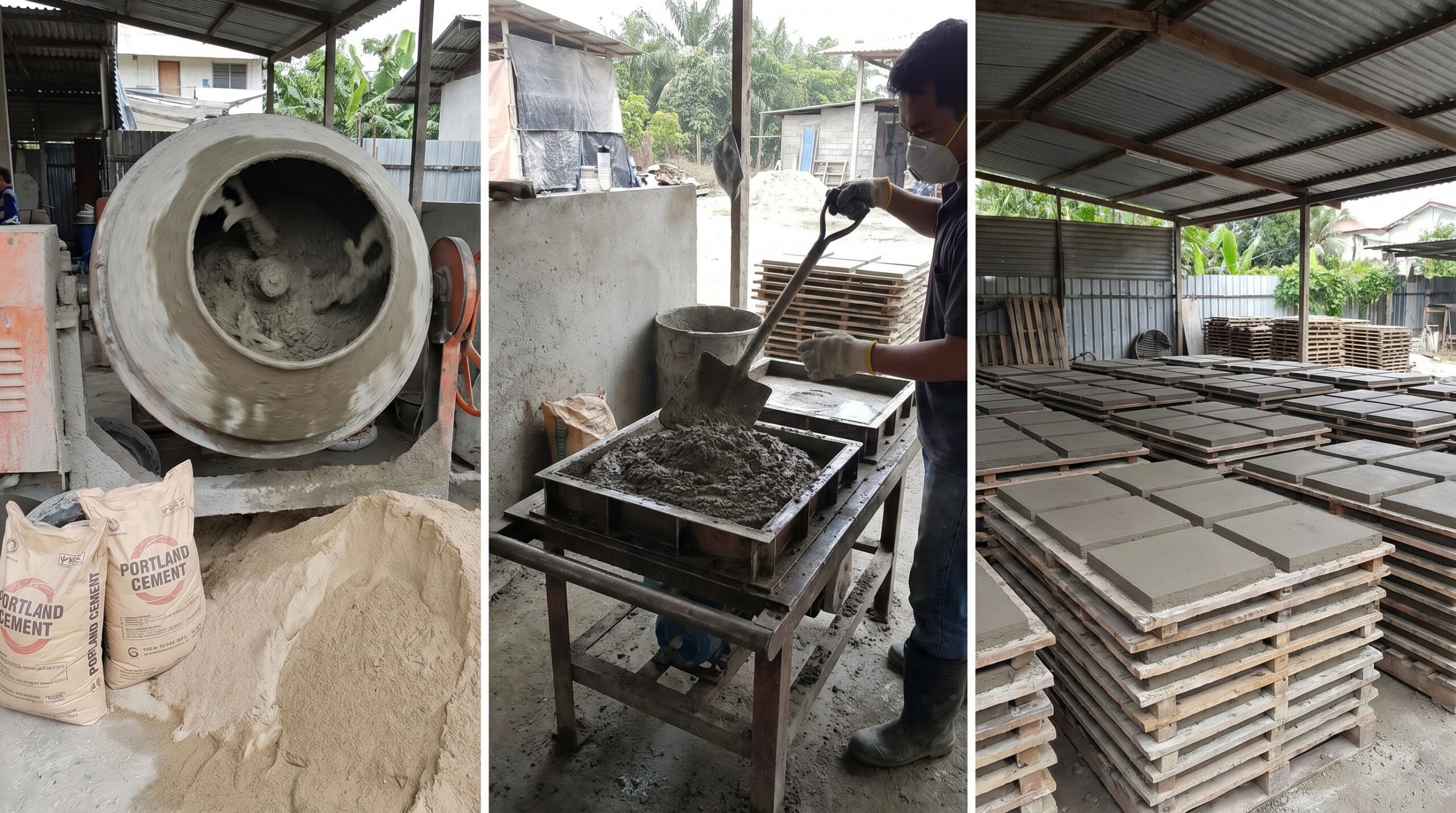
A concrete tile roof consists of individual tiles made from a mixture of sand, cement, and water that are molded into various shapes and cured under controlled conditions. Unlike poured concrete slabs, these tiles are installed piece by piece over a traditional roof deck, creating an interlocking system that provides excellent weather protection.
The manufacturing process involves adding pigments during production to create different colors, though this surface treatment can fade over time in South Florida’s intense sunlight. Each tile weighs between 900 to 1,100 pounds per square, making them significantly heavier than asphalt shingles but slightly lighter than clay tiles.
Concrete tiles work particularly well in South Florida because they can withstand high winds when properly installed, resist fire damage, and provide thermal mass that helps regulate attic temperatures. The tiles themselves can last 50 to 100 years, though the underlayment typically needs replacement every 20 to 25 years regardless of the tile condition above it.
Advantages of concrete tile roofs in South Florida
Exceptional durability and storm resistance make concrete tiles ideal for South Florida’s hurricane-prone climate. When installed to current Florida Building Code standards, concrete tiles can withstand winds up to 180 mph, far exceeding the performance of asphalt shingles. The dense cement matrix also provides better impact resistance than clay tiles, making them less likely to crack from wind-driven debris during storms that regularly impact our coastal communities.
Long-term cost effectiveness becomes apparent when you consider the lifespan difference. While concrete tiles cost more initially, they typically last 50+ years compared to asphalt shingles that need replacement every 20 to 30 years. This longevity, combined with potential insurance discounts for wind-resistant roofing, can offset the higher upfront investment over time—particularly important for homeowners in Martin, St. Lucie, and Palm Beach counties where hurricane insurance rates continue to rise.
Energy efficiency benefits come from the thermal mass properties of concrete tiles. The material helps regulate temperature swings in your attic, and the air gap between tiles and roof deck provides additional insulation. This can reduce cooling costs during South Florida’s hot summers, though the effect varies based on your home’s overall insulation and HVAC efficiency.
Design flexibility and curb appeal allow you to achieve various aesthetic looks while maintaining durability. Concrete tiles can mimic the appearance of clay tiles, wood shake, or slate at a fraction of the cost of authentic materials. This versatility helps maintain or increase your home’s resale value, particularly in neighborhoods throughout Jensen Beach, Port St. Lucie, and Palm Beach Gardens where tile roofs are the standard.
Cost Insight: A concrete tile roof costing $28,000 that lasts 40 years provides better long-term value at $700 annually compared to replacing asphalt shingles multiple times over the same period.
Disadvantages and considerations for South Florida homes
Weight and structural requirements present the biggest challenge for many South Florida homes. Concrete tiles add 900 to 1,100 pounds per square to your roof structure, which is three to four times heavier than asphalt shingles. Homes built before 1995 often require structural reinforcement, adding $2,000 to $5,000 to your project cost depending on the extent of modifications needed.
Higher upfront costs and installation complexity can strain budgets and limit contractor options. The installation requires experienced professionals familiar with proper fastening techniques and Florida wind codes. Complex roof designs, steep slopes, and the need for specialized underlayment systems can extend installation time and increase labor costs significantly.
Maintenance challenges in South Florida’s humid climate include regular cleaning to prevent algae and mold growth. The porous nature of concrete tiles makes them susceptible to biological growth in shaded, humid areas common in our coastal environment. You’ll need professional roof cleaning every two years and may require repainting every 10 to 15 years as the surface pigments fade from UV exposure.
Color fading and aesthetic changes occur gradually but inevitably in South Florida’s intense sunlight. Unlike clay tiles that maintain their natural color indefinitely, concrete tiles rely on applied pigments that can fade 10 to 15% over 20 years. Coastal properties in Jensen Beach and other waterfront communities experience faster fading due to salt air exposure, though protective coatings can slow this process.
Cost breakdown and comparison with other roofing materials
Concrete tile installation costs in South Florida range from $11 to $18 per square foot, with most homeowners paying around $14 per square foot for a standard installation. This translates to approximately $28,000 for a 2,000 square foot roof, though costs vary based on roof complexity, pitch, and local labor rates.
Several factors significantly impact your total project cost. Roof size and shape affect material waste and installation time, while steep pitches require additional safety measures and specialized equipment. Structural reinforcement for older homes can add substantial costs, and premium underlayment systems required in hurricane zones increase material expenses.
| Material | Cost per sq ft | Typical Lifespan | Wind Resistance | Maintenance Level |
|---|---|---|---|---|
| Concrete Tile | $11-$18 | 50+ years | Up to 180 mph | Low-Medium |
| Clay Tile | $15-$22 | 75+ years | Up to 150 mph | Low |
| Asphalt Shingles | $4-$8 | 20-30 years | Up to 110 mph | Medium |
| Metal Roofing | $8-$16 | 40-70 years | Up to 180 mph | Low |
When comparing long-term value, concrete tiles often provide better cost per year of service than repeatedly replacing cheaper materials. However, clay tiles may offer superior longevity if you plan to stay in your home for decades, while metal roofing provides similar storm protection with less weight.
The choice between materials ultimately depends on your budget timeline, structural capacity, and aesthetic preferences. Concrete tiles offer an excellent middle ground between the premium performance of clay tiles and the affordability of asphalt shingles.
Planning Tip: Factor in potential underlayment replacement costs every 20-25 years when calculating long-term ownership expenses, as this can add $7,000 to $15,000 to your maintenance budget.
Making the right choice for your South Florida home
Concrete tile roofs work best for homeowners planning to stay in their homes long-term and those with adequate roof structure or budget for reinforcement. They’re particularly suitable if you live in hurricane-prone areas like our coastal communities, want to reduce long-term roofing costs, and prefer the aesthetic appeal of tile over other materials.
Consider alternative roofing materials if your home has structural limitations that make reinforcement impractical, if you’re working with a tight budget, or if you plan to sell within the next 10 years. Metal roofing might be better for maximum wind resistance with less weight, while high-quality asphalt shingles could work for shorter ownership timelines.
Before making your decision, have a structural engineer evaluate your roof’s load-bearing capacity and get detailed quotes that include all necessary reinforcement work, and review tile roof maintenance best practices. This upfront investment in professional assessment can prevent costly surprises and ensure your new roof performs as expected for decades.
At FoxHaven Roofing Group, we help South Florida homeowners navigate these complex decisions by providing thorough structural assessments and detailed cost breakdowns for all roofing options. Our experience with Florida building codes and hurricane requirements, combined with our deep knowledge of Martin, St. Lucie, and Palm Beach counties, ensures your new roof will protect your home and family for years to come. As a family-run, 5-star rated contractor serving Jensen Beach, Port St. Lucie, and Palm Beach Gardens, we understand the unique challenges of our coastal climate. Contact us today for a comprehensive evaluation and personalized recommendations based on your specific needs and budget.