


Metal Roof Vents: Complete Installation and Maintenance Guide for 2026
Metal Roofing Types
October 13,2025
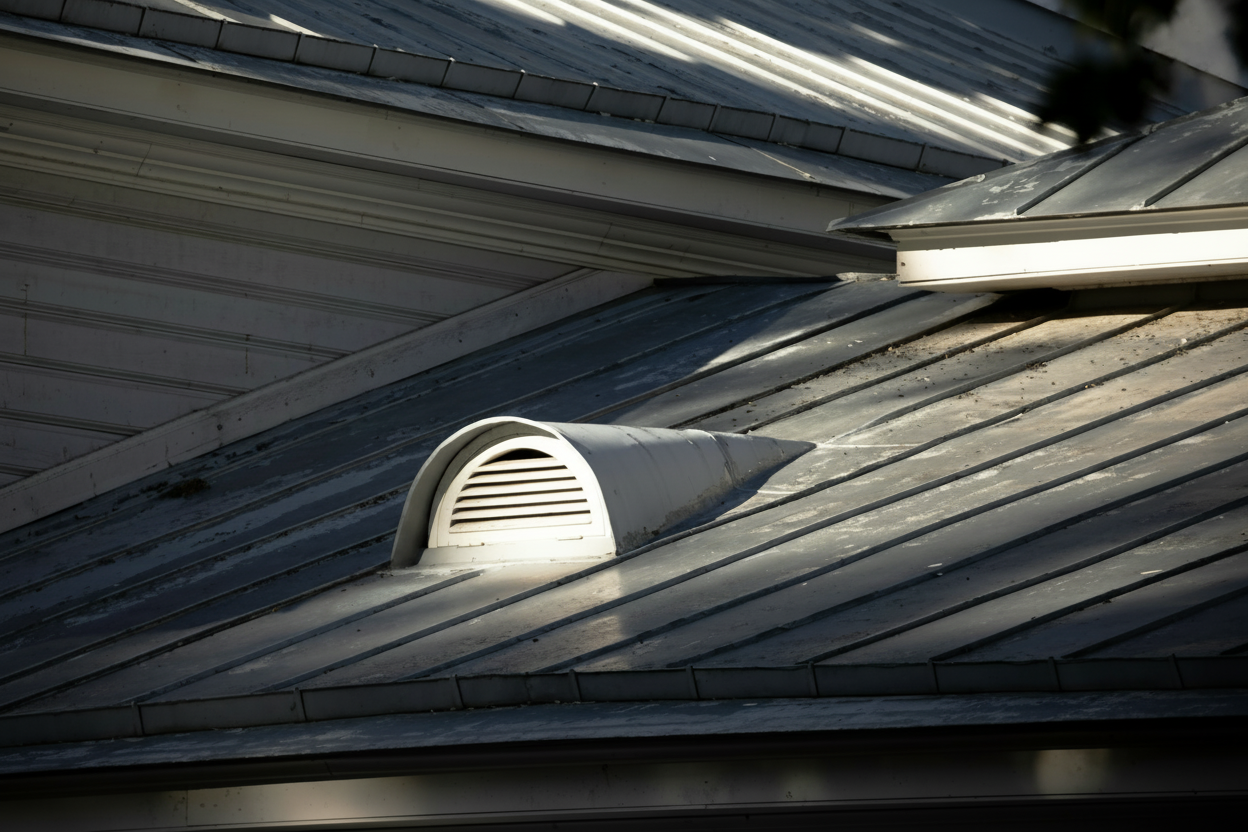
Alt text: Professional installer working on metal roof vent installation for residential property
Proper ventilation is essential for protecting your metal roof investment and maximizing energy efficiency. Whether you are planning a new installation or maintaining an existing system, understanding metal roof vents helps you make informed decisions that save money and extend your roof’s lifespan. This guide covers everything you need to know about selecting, installing, and maintaining metal roof vents for optimal performance.
Installing quality metal roof vents can reduce cooling costs by up to 30% while preventing moisture damage that leads to costly repairs.
Why metal roof ventilation matters for your home
Metal roofs require proper ventilation to perform at their best. Without adequate airflow, heat and moisture accumulate in your attic, creating problems that affect both comfort and structural integrity.
Temperature regulation and energy savings
During summer months, attics without proper ventilation can reach temperatures exceeding 150°F. This extreme heat radiates into living spaces below, forcing your air conditioning system to work harder. Metal roof vents allow hot air to escape naturally, reducing the burden on your HVAC system and lowering monthly energy bills. In winter, ventilation prevents warm indoor air from condensing in the attic, which protects insulation effectiveness.
Protecting your roof investment
Heat and moisture are the primary enemies of roofing materials. Excessive attic heat accelerates the deterioration of metal panels, fasteners, and underlayment. Moisture buildup leads to rust, corrosion, and mold growth that compromise structural components. Proper ventilation extends the life of your metal roofing system by maintaining stable temperature and humidity levels.
Four main types of metal roof vents
Choosing the right vent type depends on your roof design, climate conditions, and ventilation needs. Here are the most common options:
Ridge vents
Ridge vents install along the peak of your roof, providing continuous ventilation across the entire ridge line. They work passively, using natural convection to draw hot air upward and out of the attic. Ridge vents blend seamlessly with your roofline, making them popular for homeowners who value aesthetics. They pair well with soffit vents to create balanced airflow from eave to ridge.
Turbine vents
Turbine vents use wind power to actively pull hot air from your attic. The spinning turbine creates suction that increases air movement, making them particularly effective in areas with consistent breezes. These vents require no electricity and can move large volumes of air when wind conditions are favorable. Consider turbine vents if you live in a region with regular wind patterns.
Turbine vents can move up to 10 times more air than static vents of similar size when wind speeds reach just 5 mph.
Box vents
Box vents are static, low-profile units installed near the roof ridge. They have no moving parts, making them extremely durable and maintenance-free. While they move less air than powered options, box vents provide reliable passive ventilation at a lower cost. Multiple box vents strategically placed across your roof can provide adequate ventilation for most homes. They work well when combined with proper intake ventilation at the eaves.
Powered attic vents
Powered vents use electric fans controlled by thermostats or humidistats to actively exhaust hot air and moisture. They provide consistent ventilation regardless of weather conditions, making them ideal for homes in humid climates or areas with minimal natural airflow. Solar-powered models offer energy-efficient operation without increasing your electricity costs.
Installation best practices for metal roof vents
Proper installation ensures your ventilation system performs effectively and prevents leaks. Following these guidelines helps you avoid common problems.
Calculate your ventilation needs
Building codes typically require 1 square foot of ventilation for every 150 square feet of attic space. This should be split evenly between intake vents (at eaves) and exhaust vents (at ridge or roof). For metal roof installations, proper calculations prevent over-ventilation or under-ventilation that can create pressure imbalances.
Strategic vent placement
Position exhaust vents near the roof peak where hot air naturally accumulates. Space multiple vents evenly across the roof length to ensure balanced airflow. Avoid placing vents too close to roof edges where wind can create backdrafts. For standing seam metal roofs, use mounting systems designed specifically for that profile to maintain weathertight seals.
Professional vs. DIY installation
| Consideration | Professional Installation | DIY Installation |
|---|---|---|
| Cost | Higher upfront investment | Lower material-only cost |
| Warranty | Often includes labor warranty | Materials only |
| Expertise | Proper sealing and placement | Risk of leaks if done incorrectly |
| Time | Completed quickly | Requires learning and multiple trips |
Professional installation typically costs between $300-$600 per vent but includes proper weatherproofing and warranty coverage that protects your investment.
While experienced DIYers can install some vent types, working on metal roofs requires specialized knowledge of proper flashing techniques and sealant application. Mistakes can lead to expensive water damage that far exceeds installation costs. Consider hiring professionals for complex installations or if you are unfamiliar with metal roofing materials and techniques.

Maintaining your metal roof vents
Regular maintenance keeps your ventilation system working efficiently and extends its lifespan. Simple checks prevent small issues from becoming major problems.
Seasonal inspection checklist
Inspect your vents twice yearly, ideally in spring and fall. Look for these common issues:
- Debris blocking vent openings (leaves, nests, branches)
- Rust or corrosion on metal components
- Loose fasteners or damaged flashing
- Cracks in sealant or weatherproofing
- Damage from wind, hail, or falling objects
Cleaning procedures
Remove debris carefully to avoid damaging vent components. Use a soft brush or low-pressure water spray to clean vent screens and openings. Never use pressure washers on vent assemblies, as high pressure can force water past seals. For powered vents, check that fan blades spin freely and motors operate correctly.
When to call professionals
Schedule professional inspections if you notice water stains in your attic, excessive attic heat despite ventilation, or visible damage to vent components. Professionals can assess whether your ventilation system provides adequate airflow and recommend improvements. They can also safely perform repairs on steep or high roofs where DIY work is dangerous.
For comprehensive guidance on maintaining your entire roofing system, review best practices for metal roof cleaning and general metal roof repair techniques.
Frequently asked questions
How many roof vents does my metal roof need?
Can I install roof vents on an existing metal roof?
What is the difference between metal and plastic roof vents?
