


How to Install a Metal Roof: Complete 2026 Guide for Homeowners
Metal Roofing Types
October 4,2025
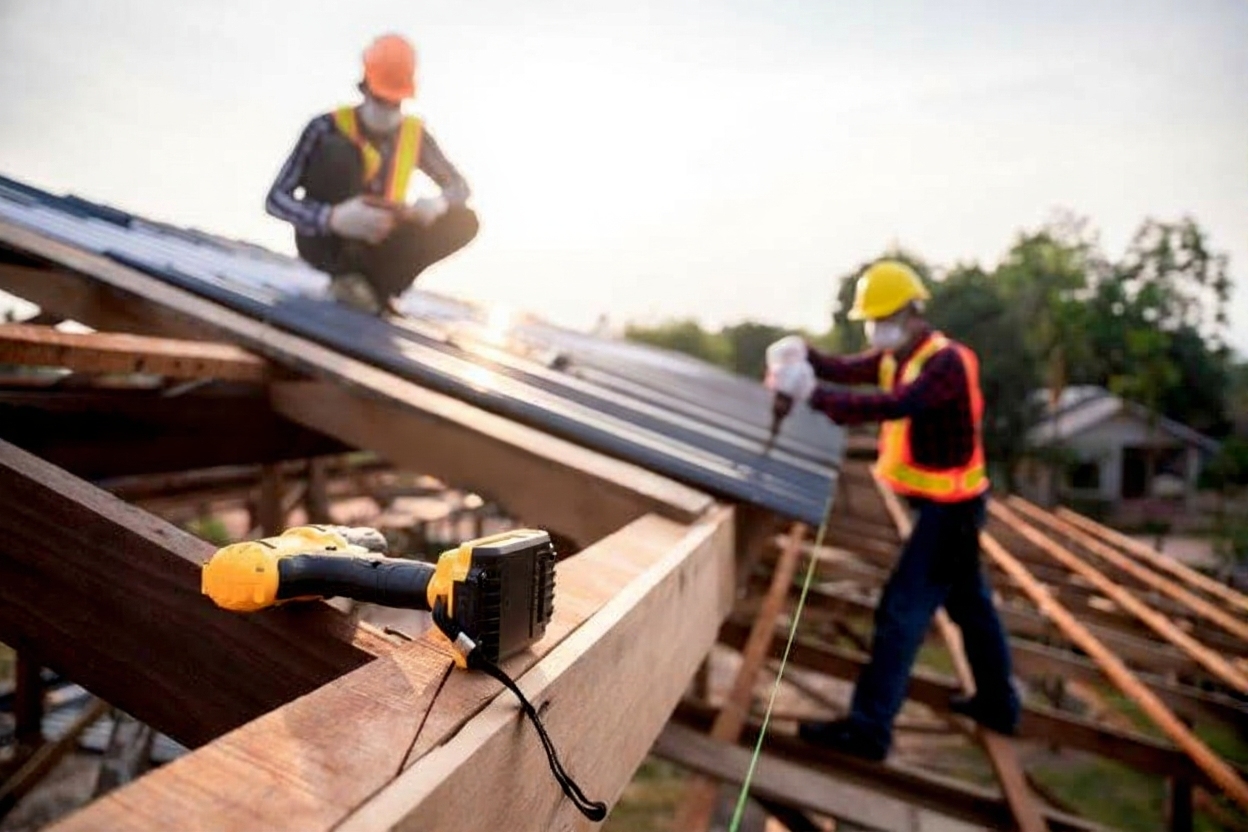
Installing a metal roof transforms your home with lasting protection and energy savings. This comprehensive guide walks you through every step of metal roof installation, from selecting materials to final inspection. Whether you’re working with a professional contractor or planning a DIY project, understanding the process helps ensure a successful outcome that protects your home for decades.
Metal roofs can last 50+ years and reduce cooling costs by up to 25%, making them one of the smartest long-term investments for your home.
Why metal roofing makes sense for your home
Metal roofing has surged in popularity among homeowners who want durability without sacrificing style. The benefits extend far beyond simple weather protection.
Longevity that outlasts alternatives: Metal roofs regularly last 50 years or more, compared to 15-20 years for asphalt shingles. This extended lifespan means fewer replacements and less waste over your home’s lifetime. Understanding how long a metal roof lasts helps you appreciate the true value of this investment.
Energy savings year-round: Reflective metal surfaces bounce solar heat away from your home, cutting cooling costs significantly during summer months. In winter, proper metal roof insulation keeps warmth inside, creating comfortable temperatures throughout the year.
Minimal upkeep required: Unlike traditional roofing that needs frequent repairs, metal roofs need only periodic inspections and basic cleaning. This low-maintenance quality saves you time and money over decades of ownership.
Style options for every taste: Modern metal roofing comes in numerous profiles and finishes. You can choose standing seam panels for a sleek contemporary look, corrugated metal for classic appeal, or even metal roofs that mimic traditional shingles. The variety of metal roof colors lets you match any architectural style.
Environmental responsibility: Most metal roofing contains recycled content and remains fully recyclable when eventually replaced, reducing landfill waste compared to tear-off asphalt shingles.
Preparing your roof for metal installation
Proper preparation determines whether your metal roof performs as expected. Rushing this stage leads to problems that surface months or years later.
Selecting your metal roofing type: Your first decision involves choosing between the main types of metal roofs. Standing seam features vertical panels with hidden fasteners for clean lines and superior weather resistance. Corrugated metal offers the traditional wavy pattern many associate with barn roofs, though modern versions work beautifully on homes. Metal shingles replicate the look of slate or tile while delivering metal’s protective benefits.
Accurate measurements prevent waste: Measure your roof’s dimensions carefully, including all slopes, valleys, and ridges. Order 10% extra material to account for cuts, mistakes, and future repairs. Don’t forget accessories like metal roof trim, flashing, fasteners, and closure strips.
Professional installers typically complete measurements and material calculations as part of their service, ensuring you get exactly what you need without overpaying.
Removing existing roofing: Most metal roof installations require removing old shingles down to the roof deck. This exposes the structural surface for inspection and ensures proper adhesion of new materials. Some situations allow installing metal roofing over existing shingles, but only when deck conditions permit.
Inspecting your roof deck thoroughly before installation prevents costly surprises later. Replace any damaged sections to ensure your new metal roof has a solid foundation.
Inspecting and repairing the deck: Check every section of roof decking for rot, water damage, or structural weakness. Replace any compromised boards or panels before proceeding. The deck must provide a solid, flat foundation for your metal roof to perform correctly.
Step-by-step metal roof installation process
Metal roof installation follows a logical sequence that builds weather protection from bottom to top. Each layer adds to the system’s overall performance.
Installing protective underlayment: Metal roof underlayment creates a critical moisture barrier beneath your metal panels. Synthetic underlayment offers superior durability and water resistance compared to traditional felt paper. Self-adhering membranes work best in valleys and around roof penetrations where water concentrates. Roll underlayment horizontally starting at the eaves, overlapping each row by at least 4 inches as you work toward the ridge.
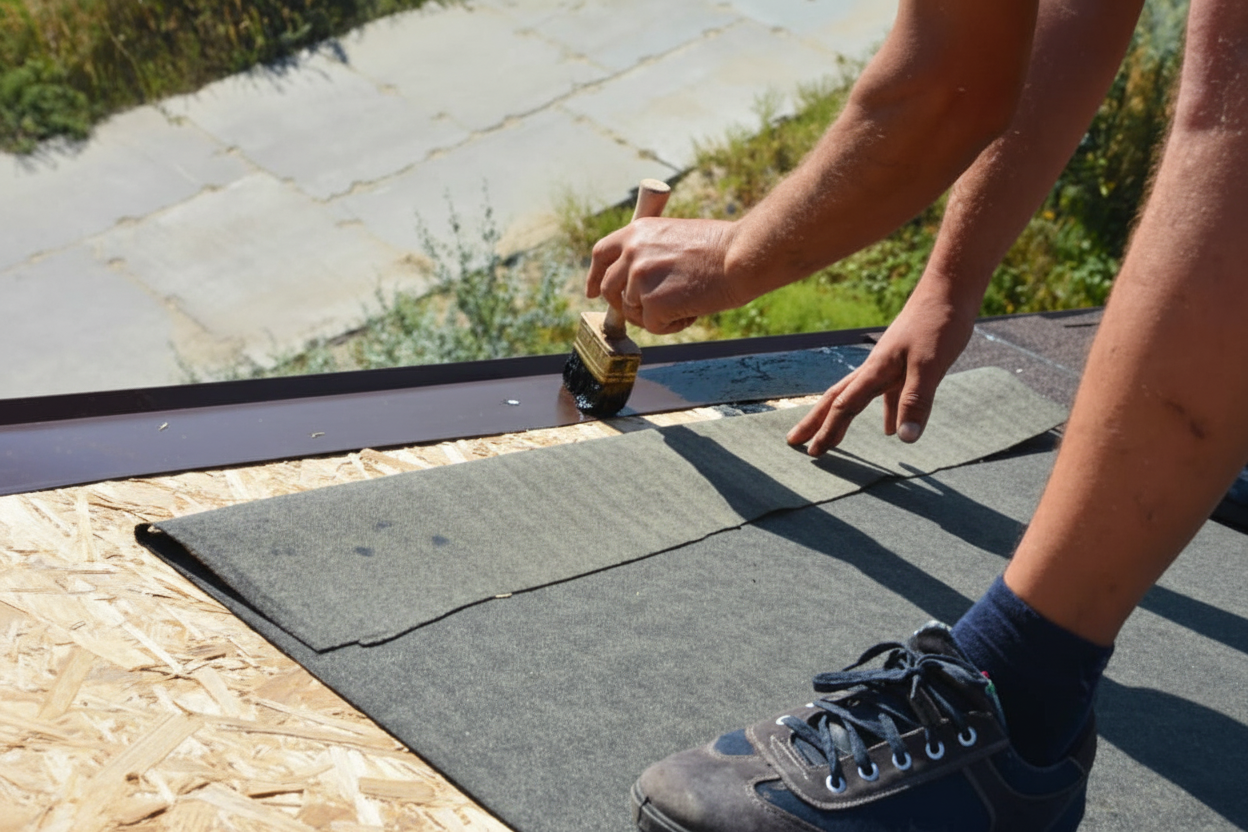
Panel installation technique: Begin at the eave edge and work upward toward the ridge. This ensures each panel overlaps the one below, directing water downward and off the roof. Align your first panel carefully, as it sets the reference line for all remaining panels.
Each fastener must be driven straight and flush to prevent leaks. Over-tightening creates stress points that fail prematurely, while under-tightening allows water infiltration.
| Installation Stage | Key Consideration | Common Mistake to Avoid |
|---|---|---|
| First panel placement | Must be perfectly square | Starting crooked compounds errors |
| Fastener installation | Drive straight and flush | Over-tightening damages panels |
| Panel overlap | Minimum one full ridge | Insufficient overlap causes leaks |
| Flashing integration | Install before surrounding panels | Retrofitting flashing rarely seals well |
Overlapping for weather protection: Each panel must overlap its neighbor by at least one ridge or corrugation. Apply butyl tape or sealant between overlapping sections to prevent wind-driven rain from penetrating. This attention to detail separates professional installations from amateur attempts.
Installing flashing correctly around roof penetrations is the difference between a leak-free roof and costly water damage. Take time to seal every transition point.
Installing trim and flashing: Metal roof vents, chimneys, skylights, and other penetrations need careful flashing to prevent leaks. Install flashing before surrounding panels whenever possible, allowing metal panels to overlap flashing edges. Ridge caps cover the roof peak, providing finished appearance and weather protection.
Cutting panels accurately: When panels need trimming to fit roof dimensions or work around obstacles, use proper cutting tools. How to cut metal roofing correctly involves metal shears for small cuts or a circular saw with a metal-cutting blade for longer cuts. Always seal cut edges with rust-inhibiting primer to prevent corrosion.
Maintaining your metal roof for maximum lifespan
Even low-maintenance metal roofs benefit from regular attention. Simple care extends their already impressive lifespan.
Schedule biannual inspections: Walk your roof or inspect from the ground twice yearly, ideally in spring and fall. Look for loose fasteners, damaged panels, or any signs of rust developing. Catching small issues early prevents expensive repairs later.
Keep it clean: Remove leaves, branches, and debris that accumulate in valleys or behind roof penetrations. Trapped organic material holds moisture against metal, potentially causing corrosion over time. Metal roof cleaning typically requires only gentle detergent and water, applied with a soft brush or low-pressure washer.
Address corrosion quickly: If you spot rust forming, sand the affected area down to bare metal, apply rust-inhibiting primer, and finish with matching paint. Small rust spots stay small with prompt treatment but spread if ignored. For extensive rust issues, consider metal roof repair services.
Check sealants and flashing: Sealants around penetrations and flashing edges can deteriorate over years of sun exposure. Reapply or replace sealant as needed to maintain weather-tight protection. This simple maintenance prevents water infiltration that damages roof decking and interior spaces.
Consider protective coatings: Metal roof coating products add an extra protection layer that reflects additional solar heat and seals minor imperfections. These coatings can extend your roof’s life while improving energy efficiency. Many homeowners also explore options like painting a metal roof to refresh appearance while adding protection.
FAQ
How much does metal roof installation cost?
Can I install a metal roof over existing shingles?
What is the best type of metal roofing for residential homes?
