


How to Stop Salt Air from Corroding Your Pompano Beach Roof in 2026
October 3,2025

Alt text: Professional roofing team inspecting coastal roof for corrosion damage in Pompano Beach Florida
Living near the ocean in Pompano Beach means dealing with a hidden enemy: salt air. While coastal breezes feel refreshing, they silently attack your roof every single day. Salt particles combine with moisture and oxygen to create a corrosive environment that weakens metal components, damages protective coatings, and shortens your roof’s lifespan by years.
Salt air corrosion costs Florida coastal homeowners thousands in premature repairs. The right materials and maintenance routine can extend your roof’s life by 10 to 15 years.
If you notice rust streaks, weakened flashing, or mysterious leaks, salt air damage may already be underway. The good news? You can protect your investment with the right materials and proactive care. At Foxhaven, we help Pompano Beach homeowners choose corrosion-resistant roofing systems built to withstand Florida’s harsh coastal climate.
Understanding how salt air destroys coastal roofs
Salt air does not just sit on your roof. It actively breaks down materials through a chemical process called oxidation. Sodium chloride from ocean spray mixes with humidity and settles on metal fasteners, flashing, and panels. Once water is present, rust forms rapidly and spreads beneath protective coatings.
This process affects every part of your roofing system:
| Component | How Salt Damages It | Result |
|---|---|---|
| Metal fasteners | Rust and weakening | Loose panels and leaks |
| Flashing | Corrosion at joints | Water intrusion |
| Roof coatings | Peeling and cracking | Exposed vulnerable areas |
| Underlayment | Moisture penetration | Mold and structural rot |
Even premium systems suffer without proper protection. Homes just blocks from the beach experience accelerated wear compared to inland properties. That is why top roofing materials for Florida homes must include salt-resistant features from day one.
Salt-resistant roofing materials that actually work
Not all roofing materials can handle constant salt exposure. Here are the options that deliver long-term protection for Pompano Beach homes.
Aluminum roofing
Aluminum naturally resists corrosion and reflects heat, making it ideal for coastal Florida homes. It stays lightweight while providing decades of reliable performance. Pairing aluminum with cool roof options for Florida homes maximizes energy savings and durability.
Maintenance tip: Rinse with fresh water every few months to remove salt buildup.
Coated galvalume steel
Galvalume combines zinc and aluminum for superior corrosion resistance. However, any scratches or damage to the protective coating expose the steel underneath to rapid rust. Professional installation ensures seams stay sealed and coatings remain intact.
Galvalume roofs last 40+ years in coastal areas when properly maintained, but just 15 to 20 years if coatings fail early.
Clay and concrete tile
Tile roofing resists salt damage naturally and handles high winds well. The key is using stainless steel or coated fasteners underneath. Tile systems also need proper underlayment to prevent moisture from reaching the roof deck. For homes dealing with Florida’s intense heat, tile provides excellent insulation.
Maintenance tip: Clean annually to prevent algae growth that traps moisture.
Synthetic composite shingles
Modern synthetic materials mimic the look of slate or wood while resisting moisture, UV rays, and salt. These shingles cost less than metal or tile but still deliver 30 to 50 years of protection in coastal environments.
Copper and stainless steel hardware
No matter which roofing material you choose, hardware matters. Standard galvanized fasteners rust quickly near the coast. Upgrade to stainless steel screws, copper flashing, and marine-grade sealants for components that last as long as your roof.
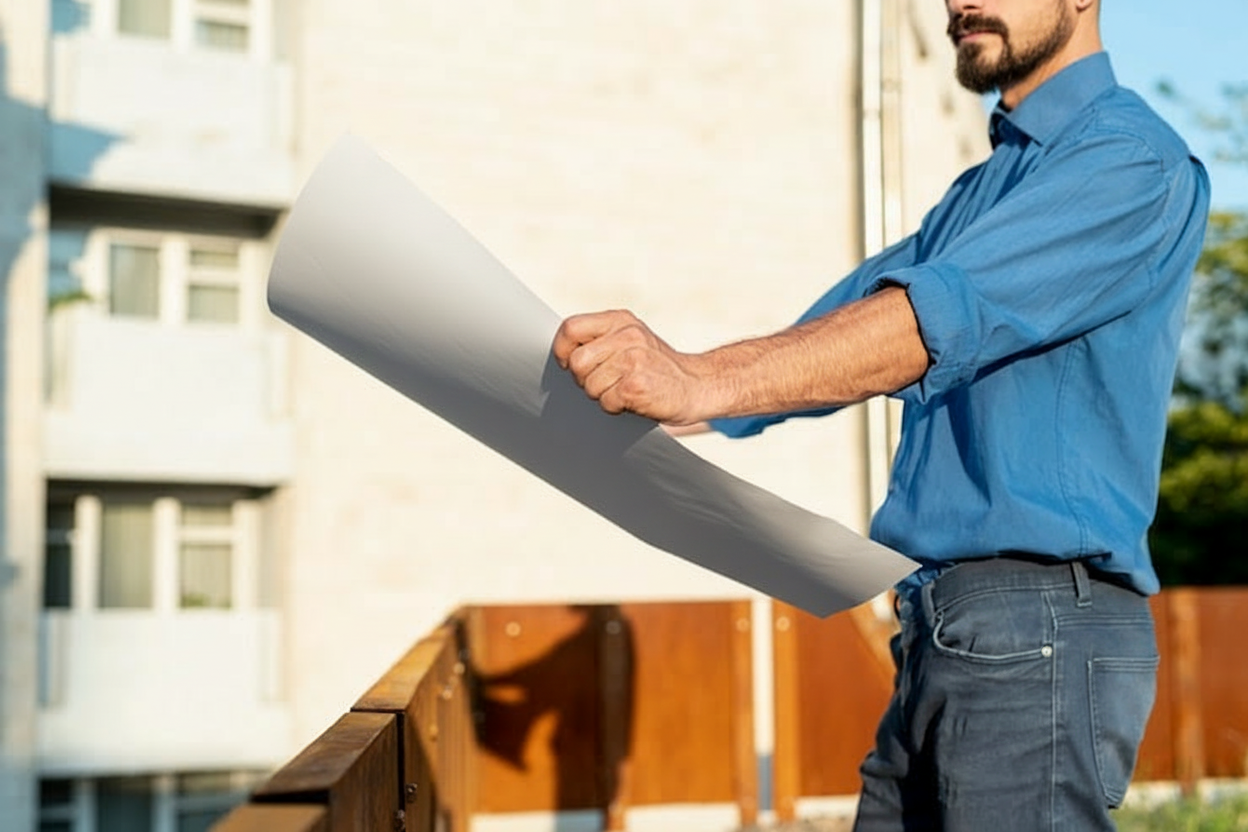
Alt text: Roofing contractor consulting homeowner about corrosion-resistant materials for coastal Pompano Beach home
Maintenance practices that prevent costly corrosion
Even the best materials need regular care to perform well in salt air. Follow these steps to keep your roof protected year-round.
Rinse after storms: After heavy rain or wind, gently rinse your roof with fresh water to remove salt deposits. Avoid pressure washing, which can damage protective coatings and seals.
Inspect metal components twice yearly: Check fasteners, flashing, and seams for early rust or discoloration. Catching problems early prevents expensive repairs later. Schedule regular roof inspections in Florida to stay ahead of damage.
Re-seal edges and joints annually: Coastal wind and salt accelerate sealant breakdown. Have a professional re-apply marine-grade sealant to vulnerable areas each year.
Clean gutters and drainage: Clogged gutters trap salty water against your roof, accelerating corrosion. Keep downspouts clear so water flows away quickly.
Watch for warning signs: Rust streaks, loose shingles, and water stains inside your home signal developing problems. Do not wait for leaks to worsen. If you notice signs of storm damage to your roof, contact a professional immediately.
What Pompano Beach homeowners need to know now
Coastal living offers incredible benefits, but your roof faces challenges that inland homes never experience. Choosing salt-resistant materials during installation or replacement saves thousands compared to premature repairs.
At Foxhaven, we specialize in coastal roofing systems built for Florida’s toughest conditions. Whether you need a new installation, repairs, or a maintenance plan, our team ensures your roof stands strong against salt air, humidity, and storms.
Protect your home and your investment. The right materials and proactive care make all the difference between constant repairs and decades of reliable protection. Understanding how coastal air damages roofs helps you make informed decisions about your home.
For homes preparing for storm season, learn about securing roof edges from coastal wind damage and Florida hurricane roof preparation strategies.
FAQ
What causes salt air to corrode roofs so quickly?
Which roofing material resists salt air damage best?
How often should I rinse my roof in Pompano Beach?
