


Florida Building Codes for Residential Roofs
November 5,2025
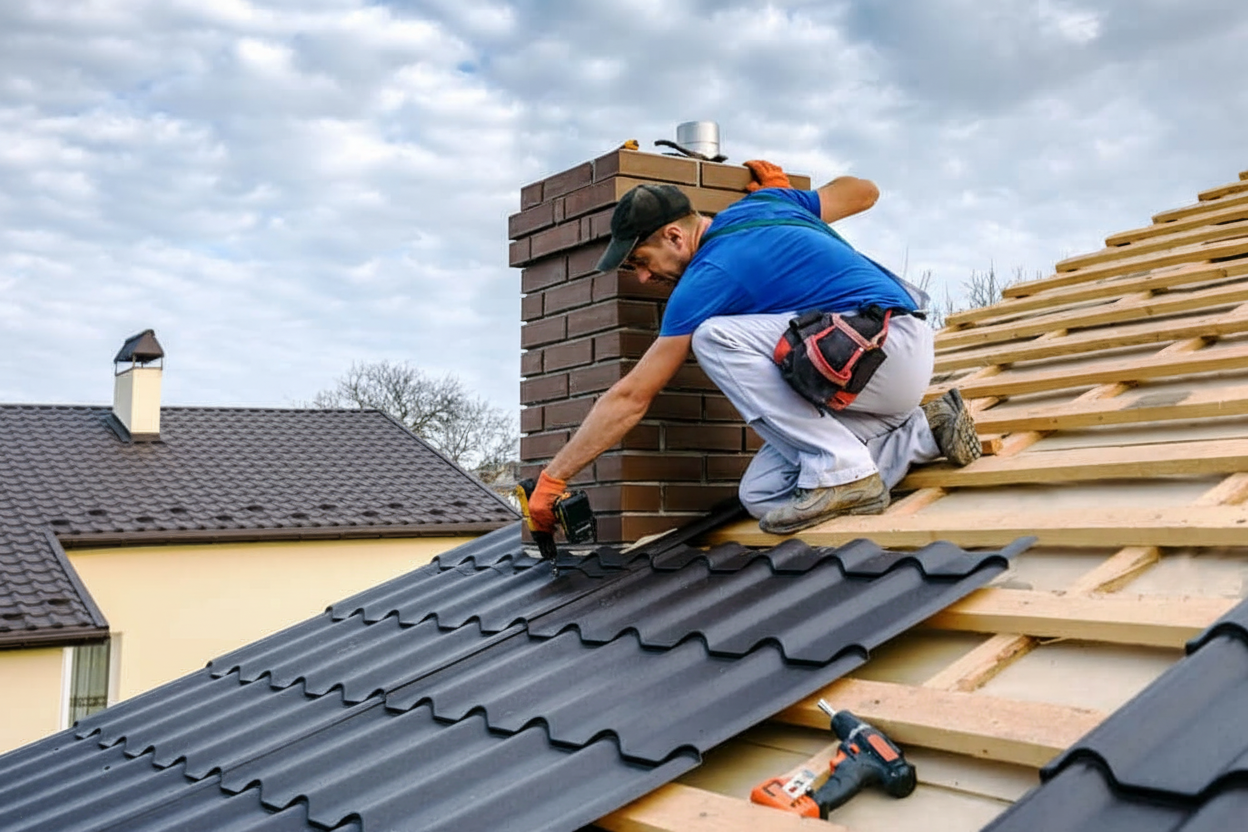
Alt text: Roofing contractor and homeowner reviewing Florida building code compliance during roof inspection
Florida building codes for residential roofs shape every roofing project across the state, from minor repairs to full replacements. Whether you are planning a full roof replacement or minor repairs, understanding these requirements protects your investment and keeps your family safe. The updated Florida Building Code (FBC) focuses on hurricane resistance, energy efficiency, and structural integrity to help homes withstand Florida’s harsh weather conditions.
Florida homeowners who upgrade to code-compliant roofing systems can save up to 45% on insurance premiums while increasing their home’s storm resistance.
Understanding the 2026 Florida roofing code updates
The 2026 FBC introduces several mandatory changes that directly impact how roofs are designed, installed, and maintained. These updates prioritize storm protection and energy savings, two critical concerns for Florida residents.
Reinforced roof connections and structural requirements
Roof-to-wall connections now require enhanced uplift resistance to prevent roof failure during hurricanes. Licensed contractors can retrofit these connections without additional engineering approvals if they follow the updated specifications. This change applies to both new construction and existing homes undergoing major repairs.
The code also mandates proper load distribution across roof trusses and framing systems. Your contractor must verify that all structural components meet current wind load requirements based on your home’s location and exposure category.
Sealed roof deck and underlayment standards
All roofing systems must now include sealed roof decks to minimize water intrusion if shingles or tiles blow off during storms. The underlayment must be approved through Florida’s Product Approval system and installed according to manufacturer specifications.
This requirement affects all roofing materials, including metal, tile, and asphalt shingles. Your contractor should provide documentation showing that all products carry proper Florida approval numbers.
The sealed roof deck requirement has reduced water damage claims by 60% in homes that experienced partial roof loss during recent hurricanes.
Changes to the 25% replacement rule
Previously, damage to more than 25% of your roof meant replacing the entire system. The 2026 code allows partial replacement if the remaining structure complies with 2007 standards or newer. This change saves homeowners money while maintaining safety standards.
Your roofing contractor must document compliance and obtain the roof permit Florida requires for any work exceeding basic repairs. Regular roof inspections help identify issues before they require extensive replacement.
Energy efficiency and insulation requirements
The updated code mandates R-20 insulation for unvented attics and requires tight air-sealing practices throughout the roofing system. New installations and major renovations must pass blower door tests to verify proper sealing.
These requirements make energy-efficient roofing materials a code necessity rather than an optional upgrade. Choosing reflective or cool roof systems helps you meet these standards while reducing cooling costs. Cool roof options provide excellent performance in Florida’s intense heat.
| Roofing Material | Wind Rating | Energy Efficiency | Typical Lifespan |
|---|---|---|---|
| Metal | 140+ mph | Excellent | 40-70 years |
| Tile | 150+ mph | Very Good | 50+ years |
| Asphalt Shingles | 110-130 mph | Good | 20-30 years |
| TPO/PVC | 90-110 mph | Excellent | 15-25 years |

Alt text: Professional crew installing hurricane-rated roofing materials on Florida residential property
Choosing code-compliant roofing materials
Your material selection must meet both wind resistance and energy efficiency standards outlined in the 2026 code. Top roofing materials for Florida homes include metal, tile, and impact-rated shingles.
Metal roofing systems offer exceptional durability and meet all current wind resistance requirements. They reflect heat effectively, helping you comply with energy standards while lowering utility bills. Best roofing materials for Florida heat provide detailed comparisons to help you choose.
Tile roofing remains popular for its storm resistance and longevity. The weight of tile provides natural wind resistance, but installation requires proper structural support and approved fastening methods.
Impact-rated shingles that meet Class 4 standards can qualify you for additional insurance discounts beyond basic code compliance savings.
Storm preparation and maintenance under new codes
The 2026 code emphasizes preventive maintenance to extend roof life and maintain compliance. Your maintenance schedule should include seasonal inspections before and after hurricane season.
Florida hurricane roof preparation involves checking connections, sealing penetrations, and verifying that all components remain secure. Document all maintenance work to support insurance claims if storm damage occurs.
Address minor issues promptly to prevent code violations. Signs of storm damage include missing shingles, lifted tiles, and damaged flashing around vents and chimneys.
Coastal considerations for code compliance
Homes near the coast face additional challenges from salt air and higher wind speeds. How coastal air damages roofs explains the corrosion risks and prevention strategies for oceanfront properties.
Coastal areas often require higher wind ratings and more frequent inspections. Your contractor should understand the specific requirements for your wind zone and exposure category.
Working with qualified contractors for compliance
Choosing a licensed contractor who understands the 2026 FBC ensures your project meets all requirements. Your contractor should provide detailed documentation, including:
- Product approval numbers for all materials
- Wind load calculations for your specific location
- Installation specifications from manufacturers
- Permit applications and inspection schedules
- Warranty information covering workmanship and materials
At Foxhaven, we specialize in code-compliant roofing installations that protect your home and qualify you for insurance discounts. Our team stays current with all FBC updates to ensure your project meets every requirement.
What Are the Current Roofing Laws in Florida?

Florida’s roofing laws are based on the 8th Edition Florida Building Code (2023), which sets some of the strongest roofing standards in the country to protect homes from hurricane-force winds. Your exact requirements depend on the location you live:
| Florida Zone Type | Location / Criteria | Key Roofing Requirements |
| High-Velocity Hurricane Zone (HVHZ) | Miami-Dade & Broward counties | Must withstand 175 mph winds; requires the strictest material approvals (Miami-Dade NOA). |
| Wind-Borne Debris Zones | Areas with 140+ mph design wind speeds | Requires impact-resistant roofing and enhanced building envelope protection. |
| Standard Florida Zones | All other regions statewide | Must meet 130–160 mph wind resistance, depending on local wind maps. |
Important Notice: One crucial rule for homeowners is the 25% Rule. If more than a quarter of your roof is repaired or replaced within a year, roofs built before 2007 must be fully upgraded to today’s code, while roofs built after 2007 only need the repaired section updated.
In 2025, Florida still operates under the 8th Edition roof code, which added several improvements such as updated ASCE 7-22 wind load calculations, simplified roof pressure zones (now three instead of four or five), new underlayment options for HVHZ, stronger drip-edge fastening, and updated guidelines for liquid-applied roofing. Recent rule changes also require stronger secondary water barriers, stricter material approvals (Miami-Dade NOA or Florida Product Approval), more precise nail and fastening requirements, and expanded cool roof standards, including higher solar reflectance ratings in South Florida’s Zone 1A and statewide thermal emittance requirements. Altogether, these updated Florida roofing laws improve durability, safety, and energy efficiency for homes across the state.
Conclusion
Complying with Florida’s 2026 roofing code protects your home, reduces insurance costs, and increases property value. The updated requirements focus on storm resistance and energy efficiency, two critical factors for Florida homeowners.
Investing in a code-compliant roof provides peace of mind during hurricane season and long-term savings through lower insurance premiums and energy bills. Work with experienced professionals who understand the technical requirements and can guide you through the permitting process.
Ready to upgrade your roof to meet 2026 code requirements? Contact Foxhaven today for a comprehensive evaluation and detailed project proposal.
FAQ
What are the most important changes in Florida’s 2026 roofing code?
Do I need to upgrade my existing roof to meet 2026 code requirements?
How much can I save on insurance with a code-compliant roof?
