

Flat Roof Leak Repair Guide: Causes, Solutions & Prevention 2025
Specialized & Commercial Roofing Systems
October 19,2025
Flat Roof Leak Repair Guide: Causes, Solutions & Prevention 2025
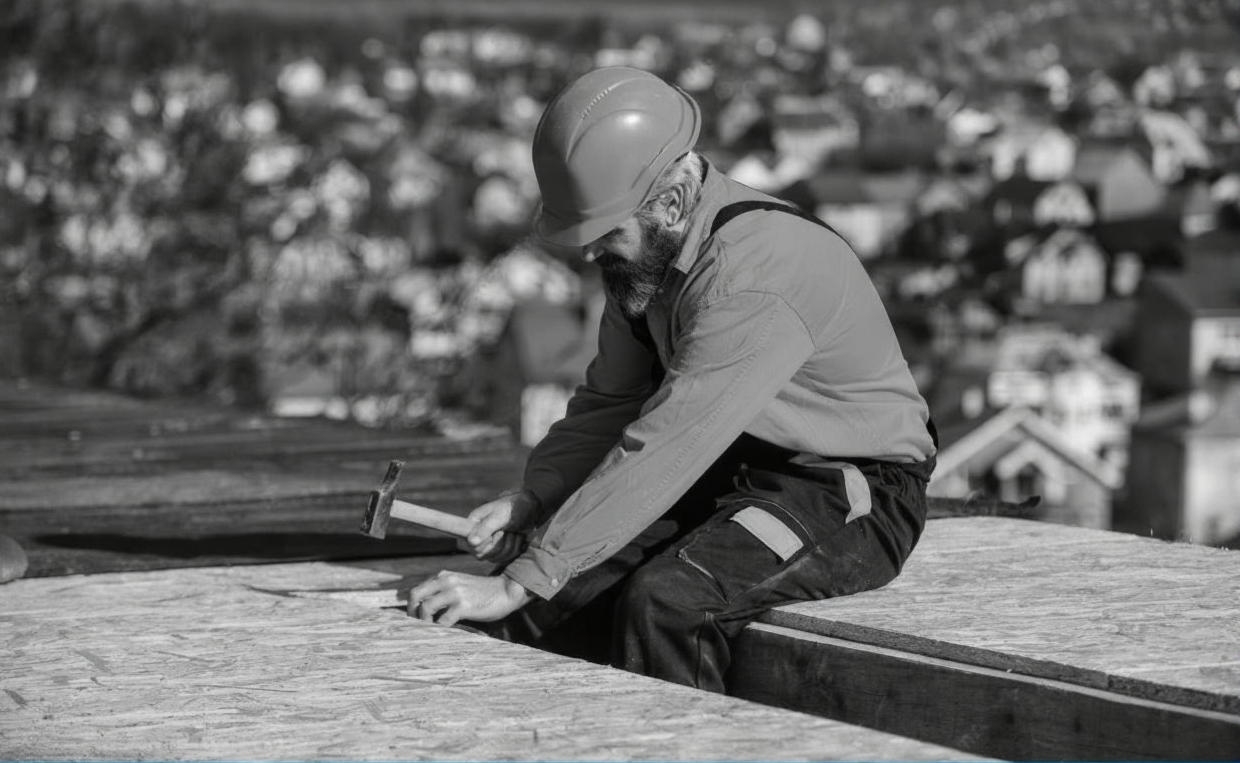
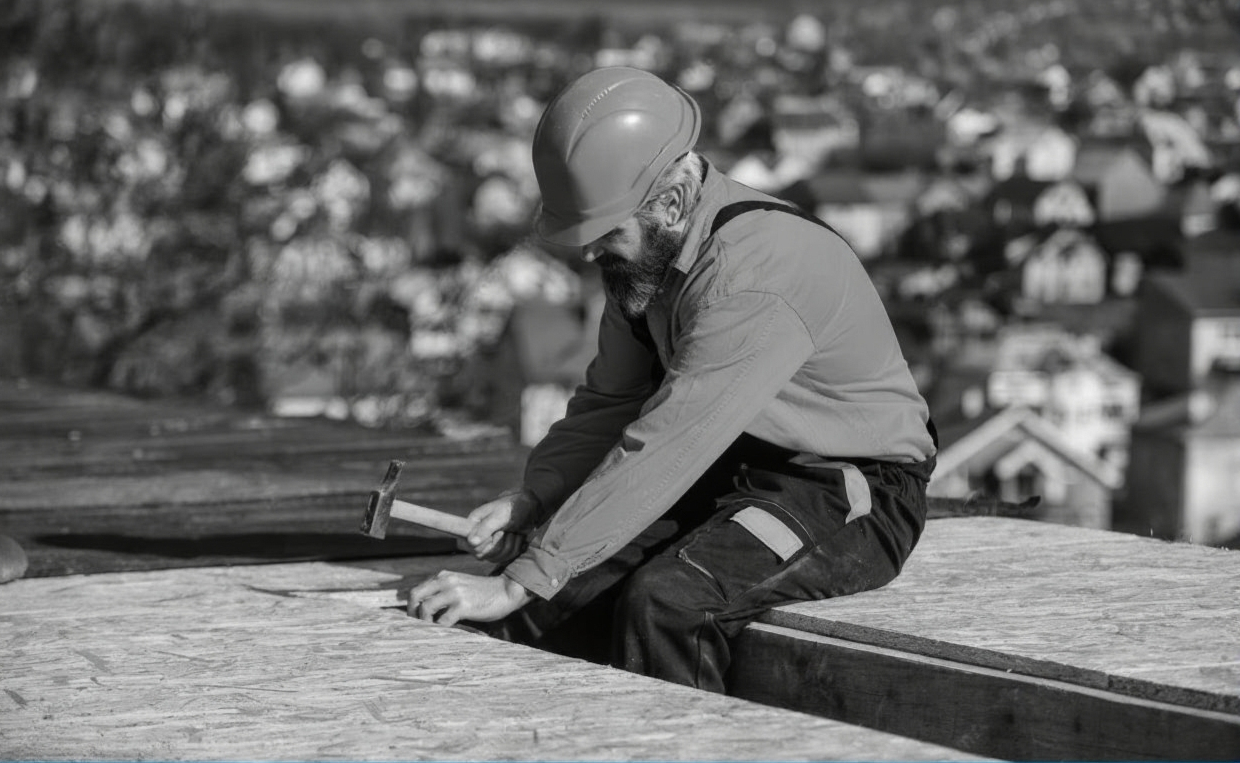
Alt text: Professional roofing contractor inspecting a commercial flat roof for leaks and damage
Flat roof leak repair is essential for protecting your commercial property from water damage and costly structural issues. While flat roofs offer accessibility and cost effectiveness for modern buildings, they face unique challenges that can lead to leaks if not properly maintained. Understanding how to spot, fix, and prevent these leaks will save you time and money while extending your roof’s lifespan.
Early detection of flat roof leaks can prevent thousands of dollars in structural damage and protect your business operations from unexpected disruptions.
In this guide, you’ll discover practical solutions for identifying leak sources, understanding what causes them, and implementing preventative strategies that keep your flat roof watertight. Whether you’re dealing with ponding water, damaged flashing, or aging materials, we’ll walk you through everything you need to know about flat roof maintenance and repair.
How to spot a flat roof leak early
Catching leaks before they become major problems is your best defense against expensive repairs. Flat roofs require vigilant monitoring both inside and outside your building. Here’s what to watch for during your regular inspections.
Outside warning signs
When inspecting your roof’s exterior, look for standing water that remains 48 hours after rainfall. This ponding water adds excessive weight and creates entry points for moisture. Check for visible cracks, blisters, or bubbling in the roofing membrane, as these surface damages allow water infiltration. Pay special attention to flashing around edges, vents, and roof penetrations. Any separation or lifting signals potential water entry.
Inside indicators
Inside your building, water stains on ceilings or upper walls are clear red flags. These discolorations often appear as brown or yellow patches and indicate ongoing water intrusion. If you notice active dripping during or after rain, the leak has already progressed significantly. Don’t ignore musty odors either, as they often reveal hidden moisture problems and potential mold growth that requires immediate attention.
Common causes of flat roof leaks
Understanding why flat roofs leak helps you address problems efficiently and prevent future issues. Here are the most frequent culprits behind commercial roof leaks.
Clogged drainage systems
Flat roofs aren’t completely level. They have a slight slope designed to direct water toward drains and gutters. When leaves, branches, or debris block these drainage points, water pools on the surface. This standing water creates pressure on your roof structure and finds weak points to seep through. Regular drain cleaning prevents this common issue.
Extreme weather damage
Severe weather takes a toll on flat roofing systems. High winds can lift or tear membrane sections, while hail creates punctures and dents. Prolonged UV exposure breaks down roofing materials over time, causing surface cracks and brittleness. After major storms, schedule a professional roof inspection to identify and repair weather related damage.
Scheduling inspections within 72 hours of severe weather can catch minor damage before it becomes a major leak.
Compromised flashing
Flashing seals vulnerable areas where your roof meets walls, vents, or other structures. Made from metal or rubber, flashing can loosen due to temperature changes, wind, or poor installation. Corrosion and cracking develop as flashing ages, creating gaps that welcome water intrusion. These edge and seam failures are among the most common leak sources.
Membrane deterioration
Your roof’s waterproof membrane is its primary defense against leaks. Over time, foot traffic, weather exposure, and natural aging cause this protective layer to break down. The membrane may shrink and pull away from edges, or develop tears and weak spots. Poor initial installation, including improperly sealed seams, accelerates membrane failure. Consider TPO roofing or EPDM systems for durable membrane options.
Poor installation practices
Quality workmanship makes all the difference in roof longevity. Installers who use inappropriate materials, ignore climate requirements, or skip proper sealing create problems from day one. Common installation errors include inadequate slope for drainage, poorly adhered membrane sections, and weak seam bonding. These issues often void warranties and lead to premature failure.
Natural aging process
All roofing materials have a lifespan. As your flat roof ages, materials naturally deteriorate from constant exposure to sun, temperature fluctuations, and moisture. Cracks and splits appear as protective coatings wear away. Adhesive layers lose their bond, and structural integrity weakens. While aging is inevitable, proper maintenance and timely repairs can significantly extend your roof’s service life. When repairs become too frequent, it may be time to consider flat roof replacement.
Leak comparison by cause
| Cause | Repair Urgency | Average Repair Cost | Prevention Difficulty |
|---|---|---|---|
| Poor Drainage | Medium | Low to Medium | Easy |
| Weather Damage | High | Medium to High | Medium |
| Damaged Flashing | High | Low to Medium | Easy |
| Membrane Issues | High | Medium to High | Medium |
| Aging Materials | Medium | High | Hard |
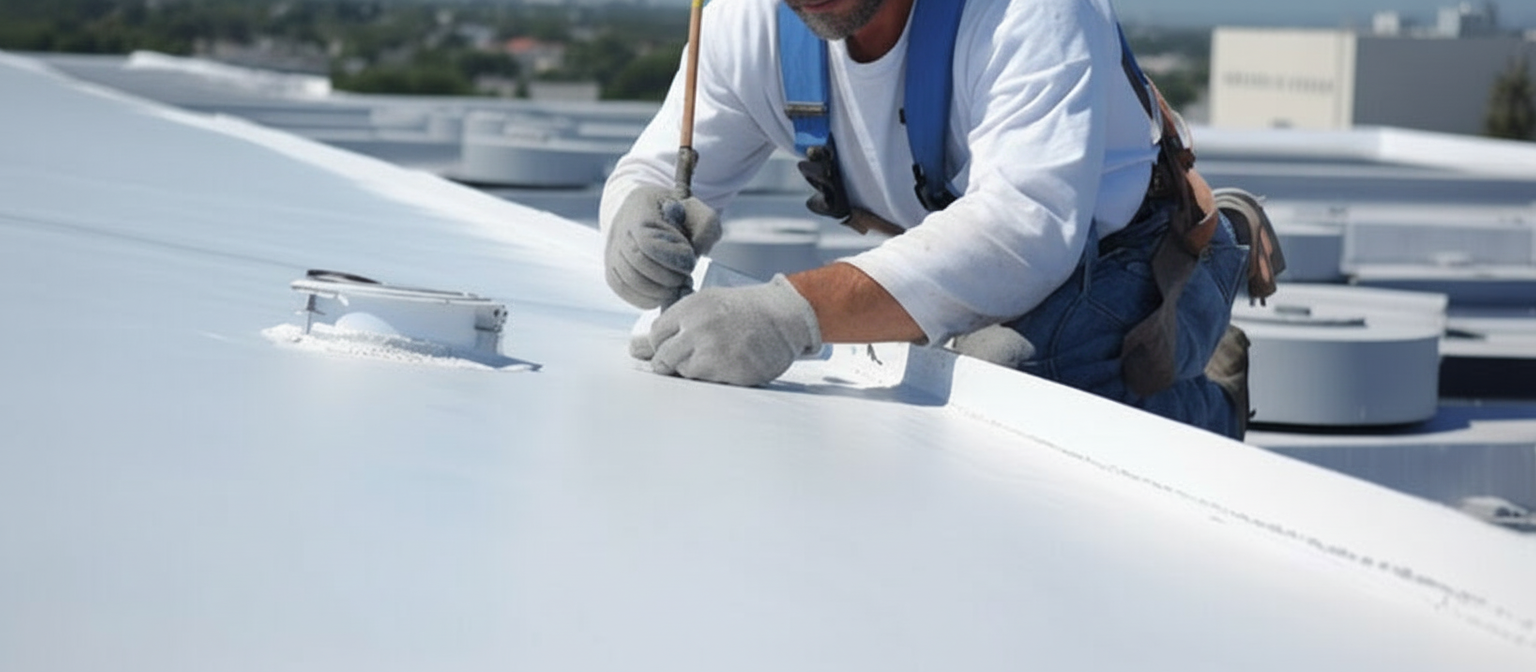
Alt text: Team of roofing professionals working on flat roof leak repair and membrane installation
Prevention strategies that work
The best flat roof leak repair is the one you never need to make. Implementing these preventative measures protects your investment and avoids costly emergency repairs.
Schedule consistent inspections
Plan professional roof inspections twice yearly, ideally in spring and fall. Also inspect after severe weather events like hurricanes, hailstorms, or heavy snow. During inspections, check for debris accumulation, standing water, surface damage, and signs of wear. Early problem detection prevents small issues from becoming expensive disasters.
Maintain clear drainage
Clean gutters, downspouts, and roof drains quarterly or more frequently if you have nearby trees. Remove leaves, twigs, and other debris that block water flow. Ensure drains have proper covers to prevent clogging while allowing water passage. Good drainage prevents ponding water, the leading cause of flat roof leaks.
Protect your membrane
Apply reflective roof coatings to shield your membrane from UV damage and temperature extremes. These coatings reduce thermal expansion and contraction that causes cracks. They also lower cooling costs by reflecting sunlight. Reapply coatings according to manufacturer recommendations, typically every 5 to 10 years. Consider sustainable roofing options for long term protection.
Address small problems immediately
Don’t ignore minor cracks, blisters, or separated seams. These small defects quickly expand into major leaks. Quick repairs cost far less than dealing with water damage to insulation, structure, and interior spaces. Keep a relationship with a trusted roofing contractor for prompt service when issues arise.
Invest in quality installation
When installing a new flat roof or replacing an old one, choose experienced professionals who understand flat roof systems. Quality installation using appropriate materials ensures proper drainage, secure seams, and long lasting performance. Research flat roof material options to find the best fit for your building and budget.
Regular maintenance costs a fraction of emergency repairs. A proactive approach to flat roof care typically saves property owners 40 to 60 percent compared to reactive repairs.
Protect your property with professional flat roof care
At Foxhaven, we understand that your roof is more than just a building component. It’s your first line of defense against the elements and a critical investment in your property’s future. Our experienced team specializes in flat roof leak repair, maintenance, and installation, bringing decades of expertise to every project.
Don’t wait for a small leak to become a major problem. Contact Foxhaven today for a comprehensive roof inspection and customized repair plan. We’ll help you protect your investment and keep your building safe and dry for years to come.