

Fire-Resistance Ratings and Building Construction Types 1-5 Explained for South Florida
January 17,2026
Understanding fire-resistance ratings is crucial for anyone involved in construction, whether you’re a designer, builder, or property owner. A fire-resistance rating tells you how long a building element can withstand a standard fire test while maintaining its structural function. These ratings, expressed in minutes or hours, directly influence building codes and determine what materials you can use based on your construction type.
Building construction is classified into five main types, from Type 1 (fire-resistive) to Type 5 (wood-framed), each with different fire performance expectations. The construction type you choose affects everything from allowable building height to required fire-resistance ratings for walls, floors, and structural elements. In South Florida’s coastal environment, where homes in Martin, St. Lucie, and Palm Beach counties face unique challenges from storms and high winds, understanding these ratings becomes even more critical for comprehensive home protection.
Key Insight: Fire-resistance ratings are time-limited performance measures from standardized laboratory tests, not guarantees of fireproof performance in real-world conditions.
What is a fire-resistance rating
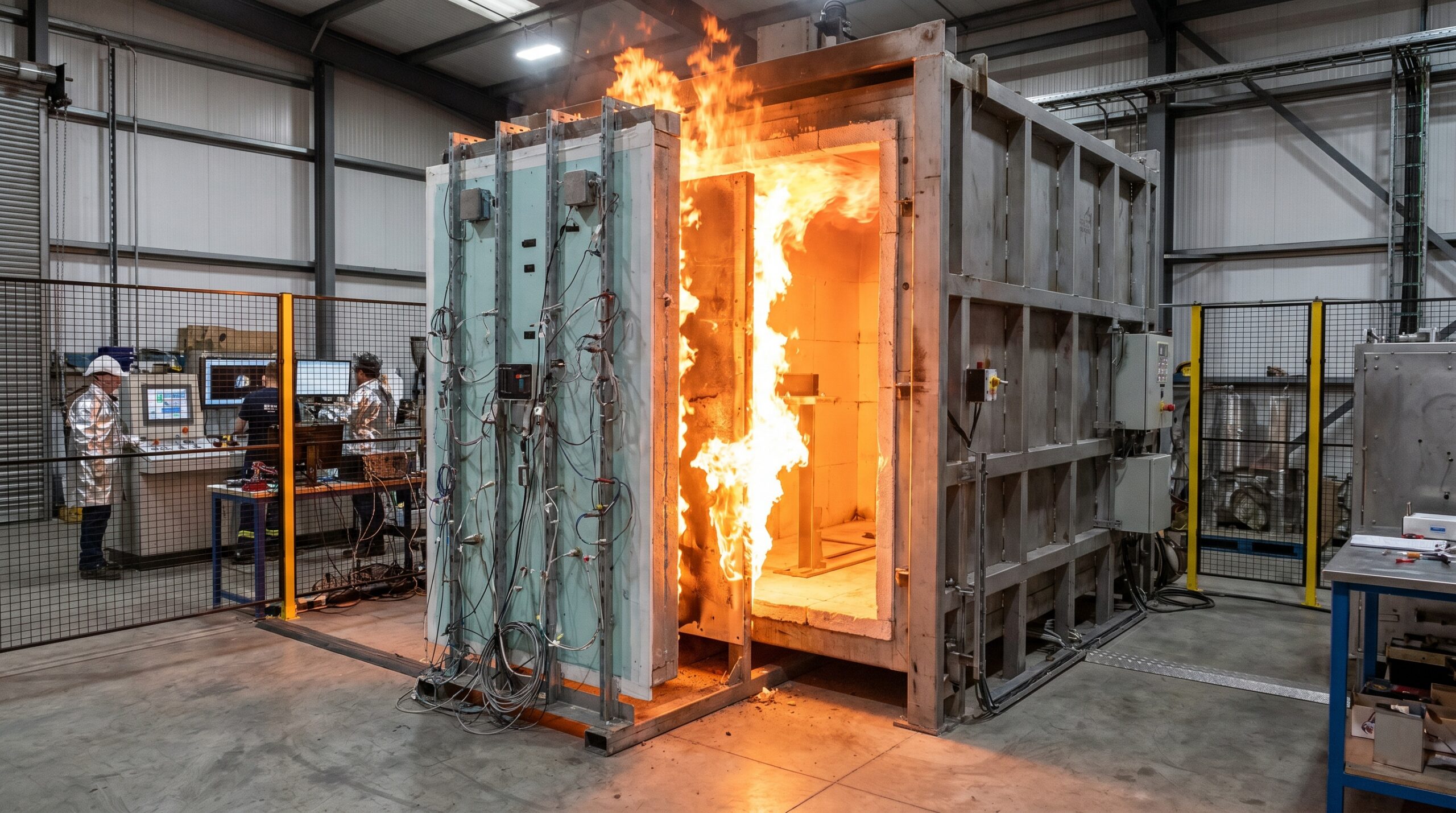
A fire-resistance rating measures how long a building assembly can perform its intended function during exposure to a standard fire test. Think of it as a time clock that starts when fire conditions begin and stops when the assembly fails to meet specific performance criteria.
These ratings come from controlled laboratory tests, primarily ASTM E119 or UL 263, where assemblies face a standardized time-temperature curve. The test measures three key performance areas: structural adequacy (can it still carry loads), integrity (does it prevent flame passage), and insulation (does it limit heat transfer to the unexposed side).
You’ll see ratings expressed as time periods like 30, 60, 90, 120 minutes, or longer. A 60-minute fire-resistance rating means the assembly maintained all required performance criteria for one hour under test conditions. However, remember that laboratory conditions differ significantly from real fires, where factors like fuel load, ventilation, and installation quality affect actual performance.
Fire-resistance rating vs fire rating classes
Many people confuse fire-resistance ratings with fire rating classes, but these measure completely different properties. Fire-resistance ratings focus on how long assemblies withstand fire exposure, while fire rating classes measure how quickly flames spread across material surfaces.
Fire rating classes use designations like Class A, Class 1, Class B, or Class 2, based on flame spread index values from surface burning tests, which are particularly important for roofing materials. Class A or Class 1 materials have the lowest flame spread index (0-25), meaning flames move across their surface most slowly. These classifications apply primarily to interior finishes, roofing materials, and siding—all critical considerations for South Florida homes where fire safety must work alongside hurricane resistance.
The key distinction is this: a Class A fire rating doesn’t equal a one-hour fire-resistance rating. Class A tells you about surface flame spread, while a one-hour rating tells you about structural performance over time. You need both pieces of information for complete fire safety evaluation.
Important Note: Class A fire ratings indicate excellent flame spread performance but don’t guarantee any specific duration of structural fire resistance.
Building construction types and fire resistance
The International Building Code classifies all construction into five types, each with different fire-resistance requirements and material restrictions. Understanding these types helps you predict how buildings behave in fire conditions and what ratings are typically required.
Type 1 construction, also called fire-resistive, uses noncombustible materials like concrete and protected steel throughout. These buildings can withstand high temperatures for extended periods, with structural frames typically requiring 3-4 hour fire-resistance ratings. You’ll find Type 1 construction in high-rise buildings, hospitals, and other structures where fire safety is paramount.
Type 2 construction uses noncombustible materials but with lower fire-resistance requirements than Type 1. The key difference is protection level: Type 2A has some fire-resistance ratings, while Type 2B allows unprotected steel and other noncombustible materials. This makes Type 2B particularly vulnerable to rapid failure when unprotected steel loses strength at high temperatures.
Type 3, often called ordinary construction, combines noncombustible exterior walls with combustible interior elements like wood floors and roofs. Type 4, or heavy timber construction, uses large dimensional wood members (typically 8 inches or larger) that char slowly and maintain structural capacity longer than lightweight wood. Type 5 allows combustible materials throughout, including modern lightweight wood framing that can fail rapidly in fire conditions—a common construction type in many South Florida residential developments.
Is metal fire-resistant and how materials compare
Metal is noncombustible, meaning it won’t ignite or add fuel to a fire, but this doesn’t automatically make it fire-resistant—a common misconception about metal roofing materials. Unprotected steel loses significant strength when heated above 1000°F, potentially leading to rapid structural failure. The key is understanding that noncombustible and fire-resistant are different properties.
When metal is part of fire-resistance-rated assemblies, it often requires protection through fireproofing materials, concrete encasement, or gypsum board coverings. Protected steel can achieve high fire-resistance ratings, while unprotected metal may fail quickly despite being noncombustible.
Compared to other materials, concrete provides excellent fire resistance due to its mass and low thermal conductivity. Heavy timber chars predictably and maintains structural capacity even while burning. Lightweight wood and engineered lumber, however, can fail in as little as 5-6 minutes under direct fire exposure, making them the most vulnerable common construction materials. In South Florida’s coastal climate, where homes must balance fire safety with hurricane resistance and moisture management, metal roofing systems offer an excellent combination of noncombustible properties and weather durability when properly installed.
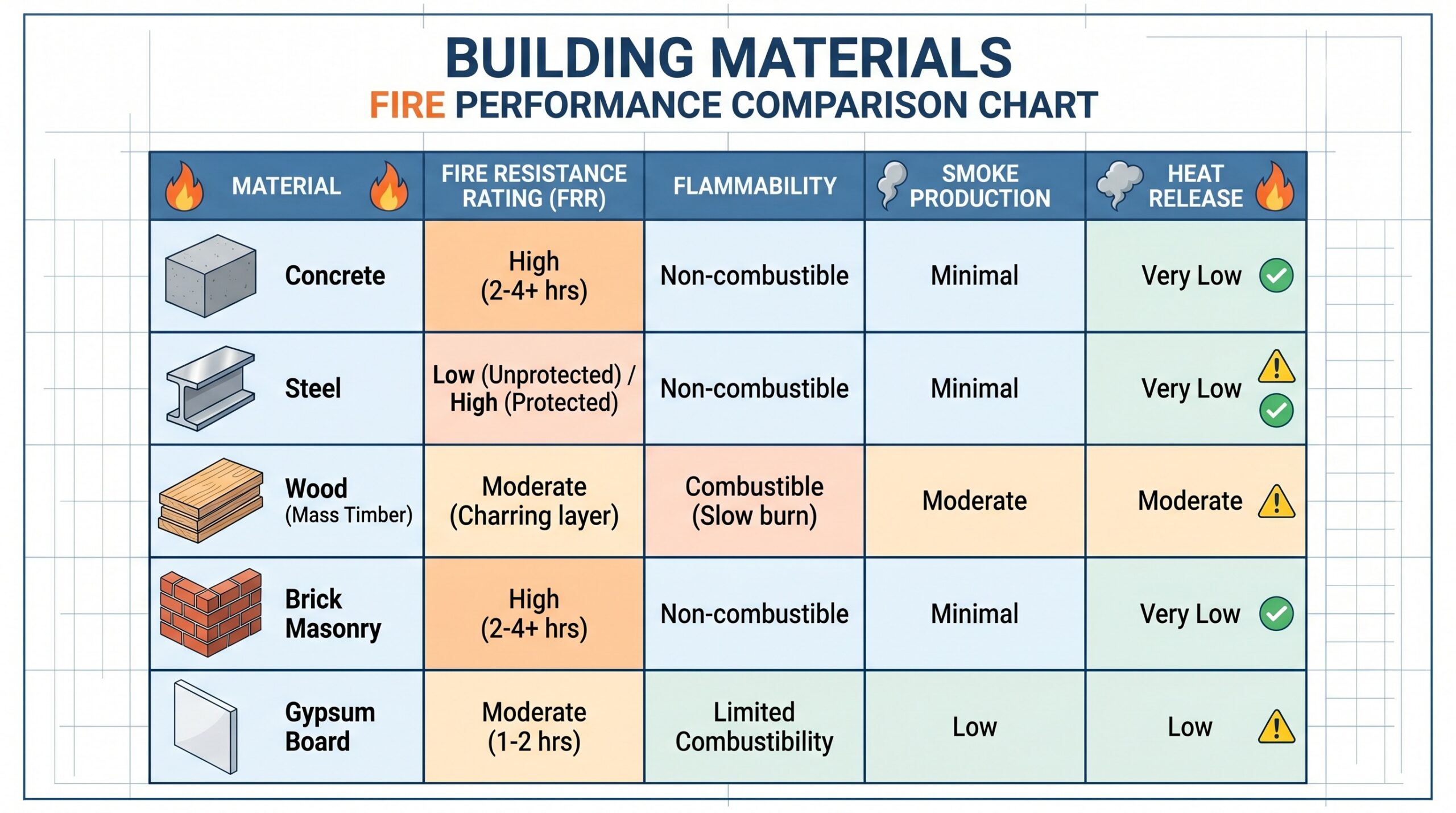
The choice between materials depends on your construction type, required fire-resistance ratings, and specific application. Metal works well in noncombustible construction types when properly protected, while concrete excels in fire-resistive applications requiring long-duration ratings. For homeowners in Martin, St. Lucie, and Palm Beach counties, working with experienced local contractors who understand both fire safety requirements and Florida’s unique building challenges ensures optimal material selection and installation.
Understanding fire-resistance ratings and construction types helps you make informed decisions about building safety and code compliance. Remember that all ratings come from standardized tests under controlled conditions, and real-world performance depends on proper installation, maintenance, and the specific fire conditions encountered. When specifying materials or assemblies, always verify that tested configurations match your intended use and follow installation requirements exactly as tested to maintain the fire-resistance rating.