

EPDM Roofing Guide 2025: Costs, Benefits & Installation Process
Specialized & Commercial Roofing Systems
October 7,2025
EPDM Roofing Guide 2025: Costs, Benefits & Installation Process
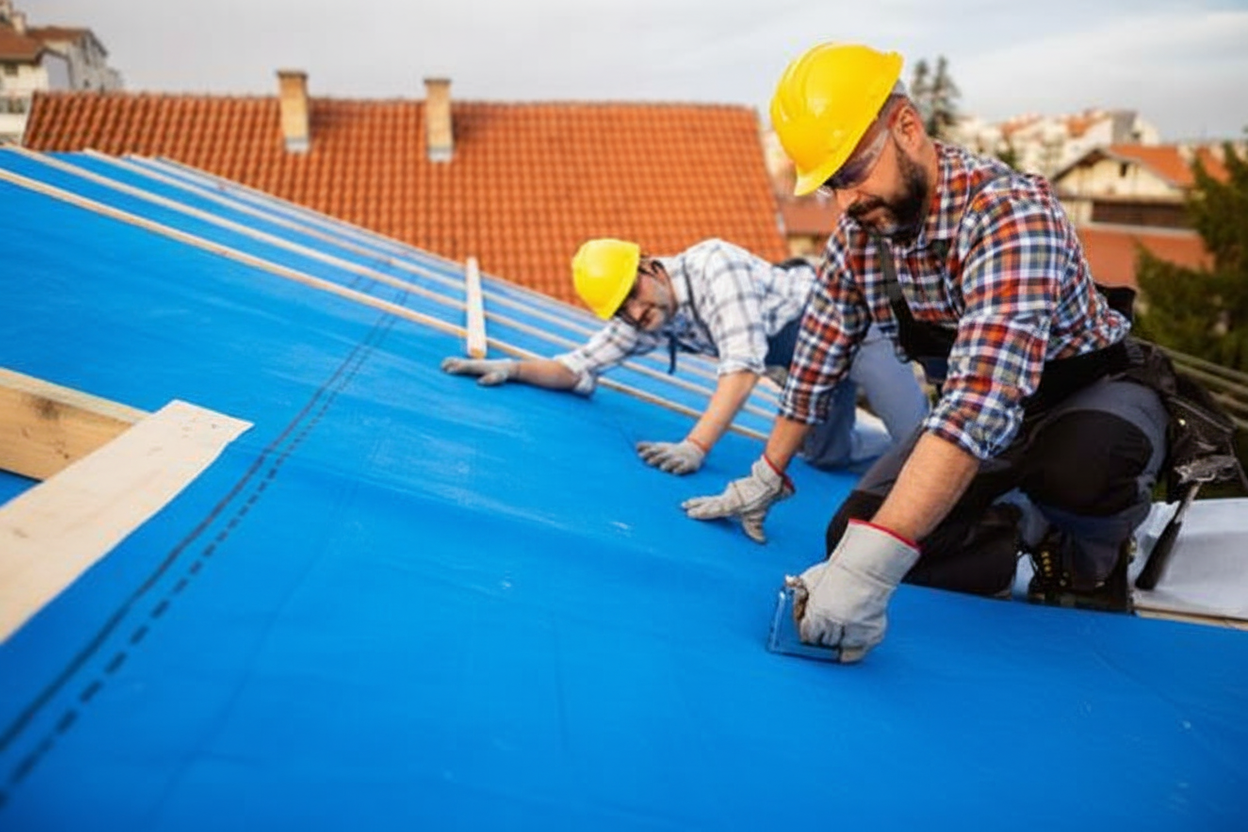
Alt text: Professional roofing contractors installing black EPDM membrane on commercial building flat roof
EPDM roofing offers commercial property owners a reliable, cost effective solution for flat and low slope roofs. This synthetic rubber membrane has protected buildings for decades, delivering exceptional durability in harsh weather conditions. Whether you are considering a new roof or evaluating replacement options, understanding EPDM can help you make an informed decision.
EPDM roofs can last up to 50 years when properly installed and maintained, making them one of the most durable commercial roofing options available today.
This guide covers everything you need to know about EPDM roofing, from material costs to installation methods. You will learn why businesses choose EPDM, how it compares to other flat roof materials, and what to expect during installation.
Understanding EPDM roofing material
EPDM stands for Ethylene Propylene Diene Monomer, a synthetic rubber compound designed specifically for roofing applications. This material comes in large rolls, typically black or white, and ranges from 45 to 60 mils in thickness. The rubber composition provides natural flexibility, allowing it to expand and contract with temperature changes without cracking.
Commercial buildings benefit most from EPDM because it performs well on flat or low slope surfaces. The material resists UV radiation, ozone, and temperature extremes ranging from negative 40 to 300 degrees Fahrenheit. Unlike some roofing materials that become brittle over time, EPDM maintains its flexibility throughout its lifespan.
The white EPDM variant offers additional energy savings by reflecting sunlight rather than absorbing it. This reflective property reduces cooling costs during warm months, making it a smart choice for energy efficient roofing projects. Many building owners choose white EPDM specifically to lower their utility bills.
Key benefits and installation methods
Commercial property owners choose EPDM roofing for several practical reasons. The material delivers long term value through durability, low maintenance needs, and weather resistance.
EPDM offers one of the lowest installation costs among commercial roofing materials. Installation typically ranges from four to eight dollars per square foot, depending on roof size and complexity. The material itself costs less than TPO roofing or modified bitumen alternatives. Maintenance expenses remain minimal throughout the roof’s lifespan. Simple repairs using adhesive patches fix most minor damage.
White EPDM membranes can reduce cooling costs by up to 30 percent compared to traditional black rubber roofing systems.
EPDM excels in protecting buildings from water infiltration. The seamless membrane creates a waterproof barrier that prevents leaks during heavy rainfall or snow. The material’s flexibility allows it to withstand thermal cycling without developing cracks or splits. Hail resistance makes EPDM suitable for areas prone to severe weather. The rubber composition absorbs impact better than rigid materials.
Routine inspections take less time with EPDM compared to other roofing systems. Visual checks can identify most issues quickly. Small punctures or tears receive simple patch repairs using EPDM primer and patch material. The repair process requires basic tools and materials available at most roofing supply stores. For guidance on maintaining your investment, review our commercial roof inspection guide.
Professional contractors use three primary methods to install EPDM roofing. Each approach suits different building types, climate conditions, and budget requirements. Understanding these methods helps you choose the best option for your property.
| Installation Method | Best For | Typical Cost | Wind Resistance |
|---|---|---|---|
| Fully Adhered | High wind areas | Higher | Excellent |
| Mechanically Attached | Standard commercial | Moderate | Good |
| Ballasted | Large flat roofs | Lower | Fair |
The fully adhered method bonds the EPDM membrane directly to the roof deck using adhesive. This creates the strongest attachment and provides excellent wind uplift resistance. The process requires careful surface preparation and works best in moderate weather conditions.
Mechanical attachment uses specialized fasteners and plates to secure the membrane to the roof deck. A top sheet then covers the fasteners, creating a watertight seal. This method installs faster than full adhesion and costs less while still providing good wind resistance.
Alt text: Building owner and roofing professional conducting quality inspection of completed EPDM roof installation
Ballasted systems use river rock, pavers, or concrete blocks to hold the EPDM membrane in place. The membrane attaches only at the perimeter and penetrations. This method requires a roof structure capable of supporting the additional weight but offers the fastest installation.
Professional installation quality matters more than the installation method chosen. Always verify your contractor’s experience with EPDM systems.
Common EPDM roofing concerns addressed
Property owners often have questions about EPDM performance and maintenance. Understanding these common concerns helps set realistic expectations for your roofing investment.
Seam integrity represents the most critical aspect of EPDM roofing. Properly installed seams using primer, adhesive, and seam tape create waterproof bonds. Regular inspections should focus on seam conditions, especially after severe weather events. Most flat roof leak repairs involve seam maintenance.
Ponding water can reduce EPDM lifespan if it remains on the roof for extended periods. Proper roof slope design prevents water accumulation. If you notice standing water 48 hours after rainfall, consult a roofing professional about drainage improvements.
Puncture resistance depends on membrane thickness and installation quality. Standard 60 mil EPDM provides good puncture resistance for normal foot traffic. Areas with frequent maintenance access benefit from walk pads or additional protection. Compare EPDM’s properties with other options in our TPO vs EPDM comparison.
Roof coatings can extend EPDM lifespan and improve energy efficiency. White acrylic coatings applied over black EPDM reduce heat absorption. Learn more about roof sealants and coatings for your system.
Knowing when to replace rather than repair your EPDM roof saves money long term. Multiple leaks, extensive seam failure, or membrane brittleness indicate replacement needs. Review our guide on signs you need flat roof replacement for detailed information.