


Wind Damage to Roof: 7 Critical Signs Homeowners Must Check in 2026
October 5,2025
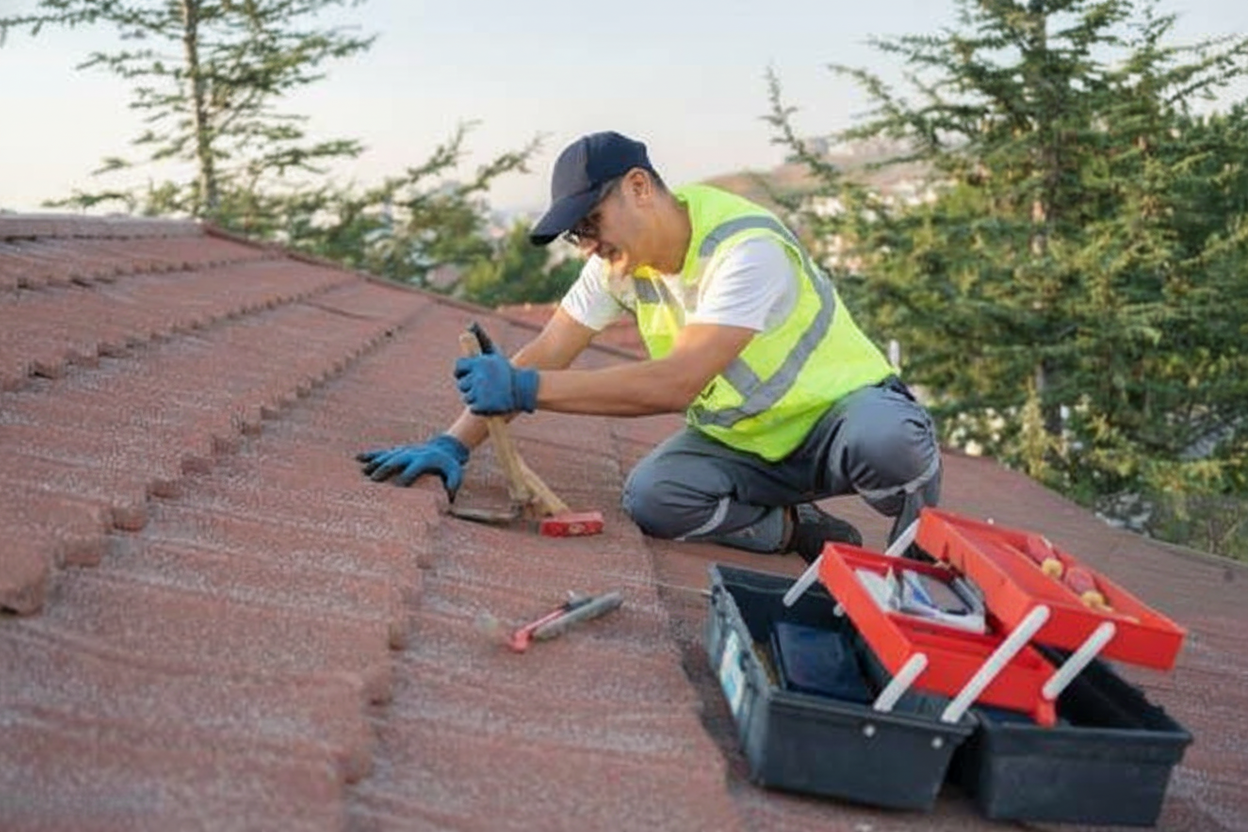
Your roof protects your home from Florida’s unpredictable weather, but high winds can compromise its integrity in minutes. Wind speeds between 40 and 90 mph can cause significant damage, while anything over 90 mph almost guarantees problems. Knowing what to look for after a storm can save you thousands in repairs and help you file insurance claims before minor issues become major headaches.
Wind damage accounts for one of the highest percentages of homeowner insurance claims in Florida, yet many homeowners miss early warning signs until water damage appears inside their homes.
Understanding wind damage and 7 critical signs to watch for
Wind doesn’t damage roofs uniformly. Your roof’s edges, eaves, and fascia face the most pressure during storms because wind catches these areas first and tries to lift shingles upward. The center section near your roofline typically holds stronger against wind forces.
When Florida hurricane season arrives, your roof faces sustained winds and sudden gusts that both cause distinct damage patterns. Older roofs or those with previous damage have even less resistance since wind can slip beneath loose shingles and create uplift pressure.
Debris becomes another hazard during windstorms. Tree branches, roof tiles from neighboring homes, and even small objects turn into projectiles that crack shingles, dent flashing, and puncture roof membranes.
After any storm with significant wind, inspect your property for these telltale signs:
- Missing or damaged shingles that appear curled, creased, torn, or completely gone
- Granule loss creating bald patches on shingles and collecting in gutters
- Exposed underlayment or insulation visible from the ground or attic
- Damaged fascia and soffits showing cracks, dents, or separation
- Compromised flashing around chimneys, vents, and roof edges
- Sagging or detached gutters indicating wind uplift at roof edges
- Interior water stains on ceilings or damp insulation in the attic
| Wind Speed | Typical Damage | Action Required |
|---|---|---|
| Under 40 mph | Minimal to none | Routine inspection |
| 40-70 mph | Loose shingles, minor debris | Professional inspection |
| 70-90 mph | Moderate damage, missing shingles | Immediate repair |
| Over 90 mph | Severe structural damage | Emergency service |
Your gutters tell an important story too. Granules from damaged shingles wash into downspouts, creating dark sandy deposits. Sagging or detached gutters indicate wind uplift damaged your roof edge.
Don’t forget to check inside your home. Water stains on ceilings, peeling paint, damp insulation in the attic, or unexplained drafts all point to roof compromise. An unexpected spike in your energy bill the month after a storm often means your ventilation system sustained damage.
How to properly inspect for roof wind damage
Never climb onto your roof after a storm. Wet surfaces, loose shingles, and hidden damage make roof access dangerous. Instead, follow this safe inspection process:
Start with a ground-level perimeter check. Walk around your home looking for debris, damaged siding, and visible roof problems. Use binoculars to examine your roof from different angles. Check gutters for granule buildup and look for any shingles lying in your yard.
Inspect your home’s interior next. Check every room’s ceiling for water stains, soft spots, or discoloration. Head to your attic with a flashlight and look for daylight coming through the roof deck, wet insulation, or water trails along rafters.
Most homeowners only check their roofs after noticing interior water damage, but catching storm damage early prevents costly structural repairs and mold issues.
Monitor your energy costs. Compare your next utility bill to previous months. A sudden increase often indicates ventilation damage that forces your HVAC system to work harder.
For homes in coastal areas, salt air combined with wind damage accelerates deterioration. These properties need professional inspections after every significant storm.
What to do when you discover wind damage
Time matters when dealing with roof damage. Quick action protects your home from further deterioration and strengthens your insurance claim.
Contact your insurance company immediately. Review your policy to understand coverage limits and deductibles. File your claim within the timeframe specified in your policy, typically 48-72 hours after discovering damage. Ask your agent about documentation requirements and what the claims process involves.
Schedule a professional roof inspection. Choose a licensed contractor experienced with storm damage assessment. They will provide a detailed inspection report documenting all damage, which you need for your insurance claim. Reputable companies offer emergency services and can temporary tarp severely damaged areas to prevent water intrusion.
Prepare for the insurance adjuster visit. Once you file a claim, the insurance company sends an adjuster to verify damage and determine payout amounts. Having your roofing contractor present during this inspection ensures nothing gets overlooked. Your contractor can point out damage the adjuster might miss and provide technical explanations that support your claim.
Document everything with photos and videos before any repairs start. Keep receipts for emergency repairs like tarping. Save all correspondence with your insurance company.
Understanding Florida roofing codes helps too, especially if your roof needs replacement. Modern building codes require enhanced wind resistance in Florida, which your contractor must follow during repairs. If damage is severe, you might consider upgrading your roof materials to better withstand future storms.
FAQ
How much wind speed causes roof damage?
Does homeowners insurance cover wind damage to roofs?
Can I inspect my roof for wind damage myself?
