


Are Black Roof Shingles a Bad Idea in South Florida? Pros, Cons & Expert Advice
May 29,2026
Black roof shingles aren’t inherently bad for South Florida homes, but they do present unique challenges in the Sunshine State’s intense heat and humidity. While they offer stunning curb appeal and modern aesthetics, black shingles can increase cooling costs by 10-15% and may age faster under South Florida’s relentless UV exposure compared to lighter alternatives.
The decision comes down to balancing style preferences with practical considerations. South Florida’s year-round sunshine, high humidity, and cooling-dominated energy use create an environment where roof color genuinely impacts both comfort and costs. Understanding these trade-offs helps you make an informed choice that works for your specific situation.
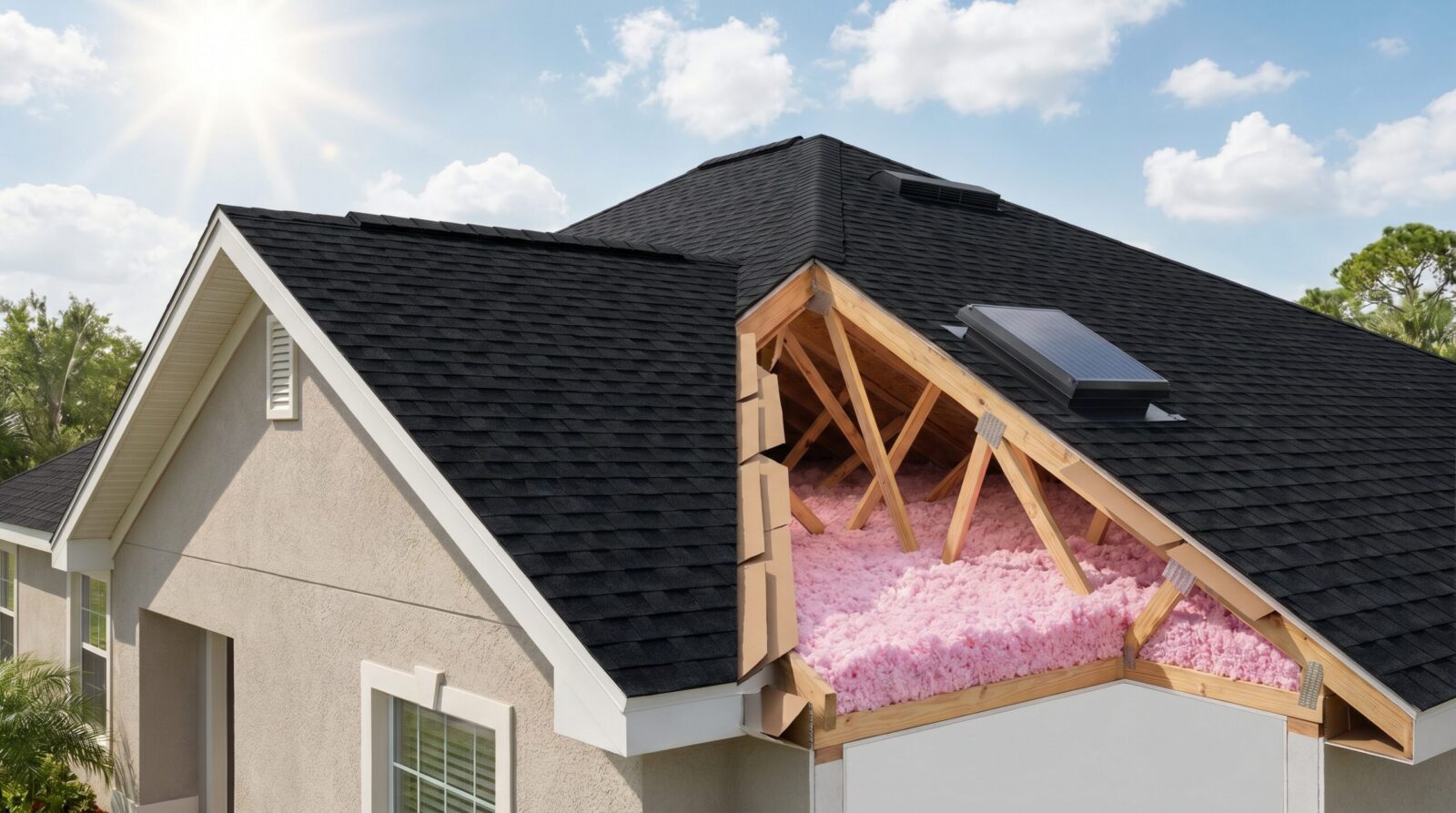
Quick Fact: Black shingles can raise attic temperatures by approximately 10°F compared to white shingles, though proper insulation and ventilation significantly reduce how much this affects your living spaces.
At FoxHaven Roofing Group, we’ve installed countless roofs across Martin, St. Lucie, and Palm Beach counties and understand how South Florida’s coastal climate affects different shingle colors. This guide covers everything you need to know about black shingles in our region’s unique environment.
What makes black shingles appealing to South Florida homeowners
Black shingles have surged in popularity because they deliver a sophisticated, contemporary look that transforms your home’s appearance instantly. Unlike traditional browns and grays that dominated roofing for decades, black creates a bold statement that sets your property apart from the neighborhood.
The versatility factor cannot be overstated. Whether your South Florida home features stucco, concrete block, wood siding, or stone accents, black shingles complement virtually every exterior color scheme. This universal compatibility makes black an excellent choice if you’re planning to update your home’s exterior in the future or simply want to eliminate guesswork in color coordination.
Black shingles also hide dirt and minor imperfections better than lighter colors. In South Florida’s environment with frequent storms and debris from palm trees and coastal vegetation, this camouflaging effect can keep your roof looking cleaner longer between maintenance cycles.

The heat challenge in South Florida’s coastal climate
South Florida’s intense sunshine creates real challenges for dark-colored roofing materials. Black shingles absorb significantly more solar radiation than lighter alternatives, which directly impacts your home’s energy efficiency and the shingles themselves.
The science is straightforward: darker surfaces absorb more heat, and that absorbed heat transfers into your attic space. This means your air conditioning system works harder to maintain comfortable indoor temperatures, particularly during brutal summer months when temperatures regularly exceed 90 degrees and humidity levels remain consistently high.
Research shows black shingles can increase annual cooling costs by $200-400 compared to lighter-colored roofing in South Florida. This represents roughly a 10-15% increase in energy bills during peak summer months. The exact impact depends heavily on your home’s insulation quality, HVAC efficiency, and attic ventilation.
Beyond energy costs, intense heat absorption accelerates the aging process of the shingles themselves. South Florida’s UV exposure ranks among the highest in the nation, and black shingles that absorb more of this radiation tend to become brittle and crack sooner than their lighter counterparts.
Lifespan and maintenance considerations
The lifespan difference between black and lighter shingles in South Florida is significant enough to factor into your decision. While standard asphalt shingles typically last 20-25 years in our coastal climate, black shingles often need replacement after 15-20 years due to accelerated UV damage and salt air exposure.
| Shingle Color | Expected Lifespan | Energy Impact | Maintenance Level |
|---|---|---|---|
| Black | 15-20 years | Higher cooling costs | Moderate to high |
| Gray/Brown | 20-25 years | Standard | Moderate |
| Light colors | 22-27 years | Lower cooling costs | Low to moderate |
The warm, humid environment that black shingles create also provides ideal conditions for mold and algae growth. These organisms not only create unsightly dark streaks but can actually damage the shingle material over time. Regular cleaning and preventive treatments become more critical with black shingles in our coastal environment.
However, many modern black shingles come with algae-resistant treatments and improved UV protection that help extend their lifespan. When shopping for black shingles, look for products with these protective features to maximize your investment.
Pro Tip: If you love the black aesthetic but want better energy performance, consider very dark gray or charcoal shingles that provide a similar look with less heat absorption.
When black shingles make sense in South Florida
Black shingles can absolutely work in South Florida, but success depends on understanding the trade-offs and ensuring your home’s other systems can handle the additional thermal load. They make the most sense in specific scenarios where the benefits outweigh the drawbacks.
Consider black shingles if your home has excellent insulation and efficient HVAC systems that can offset increased heat absorption. Homes with partial shade from mature oak trees, palm trees, or neighboring structures also fare better with dark roofing since direct sun exposure is reduced during peak hours.
Black shingles are ideal if you’re planning to stay in your home for less than 15 years, as you’ll likely enjoy the visual benefits without facing replacement costs. They’re also perfect for homeowners who prioritize aesthetic impact over maximum energy efficiency and don’t mind potentially higher maintenance requirements.
For homes with light exterior colors like white stucco, cream, or pale gray – common in coastal South Florida architecture – black shingles create stunning contrast that can significantly boost curb appeal and perceived home value. When installed properly with adequate ventilation and insulation, black shingles provide years of striking visual appeal that many homeowners find worth the extra considerations.
The decision between black shingles and alternatives ultimately depends on your priorities, budget, and long-term plans for your home. For homeowners prioritizing long-term cost savings and minimal maintenance, lighter shingle colors or alternative materials like metal roofing might be better investments, as the energy savings and extended lifespan often offset the reduced visual drama.
At FoxHaven Roofing Group, we help South Florida homeowners from Jensen Beach to Palm Beach Gardens evaluate their specific situations to determine whether black shingles align with their goals. As a family-run, 5-star rated contractor with deep roots in the region, we understand the unique challenges of our coastal climate. Whether you choose black shingles or another option, proper installation with adequate ventilation and quality materials ensures your roof performs well in South Florida’s demanding environment. Contact us today for a consultation that considers both your aesthetic preferences and practical needs.