


Best Metal Roof Underlayment Options for 2026: Complete Guide
Metal Roofing Types
October 19,2025
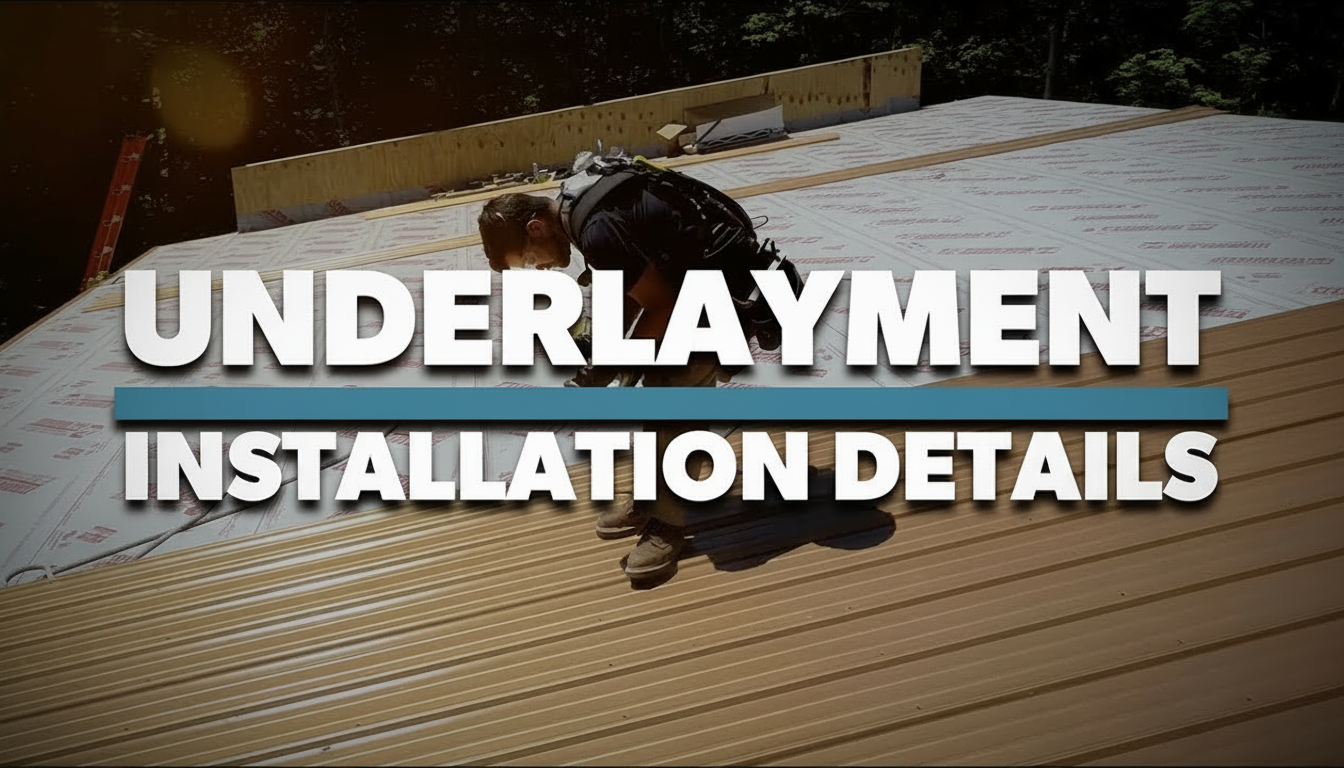
Alt text: Professional roofing contractor installing metal roof underlayment on residential home, showing the protective barrier layer being applied to roof deck
When you install a metal roof, the underlayment beneath those panels does critical work that protects your home for decades. This protective barrier shields your roof deck from moisture, extends your roof’s lifespan, and prevents costly water damage. Many homeowners focus solely on the visible metal panels, but choosing the right underlayment makes the difference between a roof that lasts 20 years and one that lasts 50.
Proper underlayment installation can reduce your long-term roofing maintenance costs by up to 40% while significantly extending your roof’s functional life.
This guide walks you through everything you need to know about metal roof underlayment, from understanding what it does to selecting the best option for your specific climate and budget. You’ll learn which materials perform best, how to match underlayment to your local weather conditions, and what to expect during installation.
What metal roof underlayment does for your home
Metal roof underlayment is a protective layer installed directly on your roof deck before the metal panels go on. Think of it as insurance for your roof system. While your metal panels handle the visible weather, the underlayment catches anything that sneaks through and protects the wooden structure underneath.
This barrier serves four essential functions. First, it blocks moisture from reaching your roof deck when water finds its way past the metal panels during heavy storms. Second, it improves your home’s insulation by adding another layer between your living space and outside temperatures. Third, it dampens noise from rain and hail, making your home more comfortable during storms. Finally, it extends your entire roof system’s lifespan by preventing rot and moisture damage to the underlying structure.
Modern synthetic underlayments have largely replaced traditional felt paper because they offer superior durability and weather resistance, making them the preferred choice for metal roof installations.
Modern synthetic underlayments have largely replaced traditional felt paper because they offer superior durability and weather resistance. When you compare metal roof installation methods, the underlayment choice significantly impacts long-term performance.
Top 5 underlayment products for metal roofs
Selecting the right underlayment product depends on your climate, roof design, and budget. Here are the five best options available in 2026.
GAF Deck Armor stands out for exceptional breathability and water resistance. This synthetic underlayment prevents moisture buildup by letting water vapor escape while keeping liquid water out. It works particularly well in humid climates where moisture control matters most.
Tyvek Protec offers outstanding slip resistance that makes installation safer for roofing crews. Its UV resistance protects your roof deck if installation delays expose the underlayment to sunlight for extended periods. This durability makes it ideal for projects where weather might interrupt the installation schedule.
Owens Corning WeatherLock delivers premium waterproofing for areas with heavy precipitation. The self-adhering design creates a tight seal that prevents water infiltration even during severe storms. This product excels in regions with frequent rain, snow, or ice.
Grace Ice and Water Shield provides maximum leak protection with its flexible, self-adhering design. It conforms to irregular roof shapes and seals around penetrations, making it perfect for complex roof configurations with valleys and angles.
Titanium PSU30 combines durability with easy installation. Its lightweight construction speeds up the installation process while maintaining strength against extreme weather. This balance of performance and efficiency makes it a contractor favorite.
When considering metal roofing cost, remember that underlayment typically represents 5-10% of your total project expense. Investing in quality underlayment protects your larger investment in the metal panels themselves.
How to choose underlayment for your specific needs
Matching underlayment to your situation requires evaluating four key factors. Your climate drives the primary decision. Heavy rainfall areas need self-adhering products with superior waterproofing. Hot, sunny regions require UV-resistant materials that won’t degrade during installation delays. Cold climates benefit from ice and water shield products that prevent ice dam damage.
Your roof design affects underlayment selection too. Complex roofs with multiple valleys, dormers, or angles need flexible, self-adhering products that seal around every detail. Simple roof designs work well with standard synthetic underlayments that are easier to install and more budget-friendly.
| Factor | Best Underlayment Type | Key Benefit |
|---|---|---|
| Heavy rain/snow | Self-adhering | Superior waterproofing |
| Hot/sunny climate | UV-resistant synthetic | Extended exposure protection |
| Complex roof design | Flexible self-adhering | Conforms to angles |
| Budget-conscious | Standard synthetic | Cost-effective protection |
Budget considerations matter, but don’t let initial cost drive your decision entirely. Felt underlayment costs less upfront but typically needs replacement sooner and offers less protection. Synthetic options cost 20-30% more initially but last longer and prevent expensive water damage repairs. Self-adhering premium products cost the most upfront but provide the best long-term value in challenging climates.
Quality synthetic underlayment products maintain their protective properties for 30-50 years under normal conditions, making them an excellent long-term investment in your home’s protection.
The type of metal roofing you choose also influences underlayment needs. Standing seam metal roofs with concealed fasteners put less stress on underlayment than exposed fastener systems. Corrugated metal roofing requires more attention to waterproofing because of its wave pattern.
Consult with experienced roofing professionals who understand your local climate and building codes. They can identify specific challenges your roof faces and recommend underlayment that addresses those issues. Professional installation ensures proper overlap, sealing, and fastening that maximizes underlayment performance.
Installation and maintenance considerations
Proper installation makes even the best underlayment perform correctly. Your roofing contractor should start with a clean, dry roof deck free of debris and protruding nails. They’ll install underlayment in horizontal rows starting at the eaves and working toward the ridge, overlapping each row by at least 6 inches.
Self-adhering products require careful attention to temperature during installation. Most perform best when installed at temperatures above 40°F, as cold weather affects their adhesive properties. Mechanically fastened synthetic underlayments work in a wider temperature range but need proper fastener spacing to prevent wind uplift.
Once installed correctly, underlayment requires minimal maintenance. However, you should inspect your roof annually for signs of damage or wear. Look for water stains on your ceiling or in your attic that might indicate underlayment failure. Address any metal roof repair needs promptly to prevent small issues from becoming major problems.
Underlayment typically lasts as long as your metal roof when installed properly. Quality synthetic products maintain their protective properties for 30-50 years under normal conditions. This longevity makes them an excellent investment in your home’s protection.
Regular metal roof cleaning helps your entire roofing system last longer by preventing debris buildup that can trap moisture against the underlayment. Keep gutters clear and remove any organic material that accumulates in valleys or behind roof penetrations.
When you understand how long a metal roof lasts, you can appreciate why quality underlayment matters. The underlayment protects your investment and ensures your metal roof reaches its full lifespan potential.
FAQ
Do all metal roofs need underlayment?
Yes, all metal roofs need underlayment for optimal performance and longevity. While building codes in some areas might not strictly require it, underlayment provides essential moisture protection, temperature regulation, and noise reduction. It acts as a critical backup barrier that prevents water damage if metal panels develop issues. Installing metal roofing without underlayment significantly increases your risk of roof deck rot, interior water damage, and shortened roof lifespan.
What is the best type of underlayment for metal roofing in wet climates?
Self-adhering synthetic underlayments like Owens Corning WeatherLock or Grace Ice and Water Shield work best in wet climates. These products create a complete waterproof seal that prevents moisture infiltration even during heavy storms. Their adhesive backing eliminates gaps and seams that could allow water penetration. In regions with frequent rainfall exceeding 40 inches annually, investing in premium self-adhering underlayment protects your roof deck and interior from water damage.
How much does metal roof underlayment cost compared to the total roof price?
Metal roof underlayment typically costs between 5-10% of your total roofing project expense. For a standard residential roof, underlayment materials range from $0.25 to $0.75 per square foot, depending on the product quality and type. Standard synthetic underlayment costs around $0.25-0.40 per square foot, while premium self-adhering products cost $0.50-0.75 per square foot. On a 2,000 square foot roof with total costs of $15,000-20,000, underlayment represents approximately $500-1,500 of the project.
