

Metal Roof Lifespan: How Long Does a Metal Roof Last in 2025?
Installation & Maintenance
Metal Roofing Types
October 14,2025
Metal roof lifespan: How long does a metal roof last in 2025?
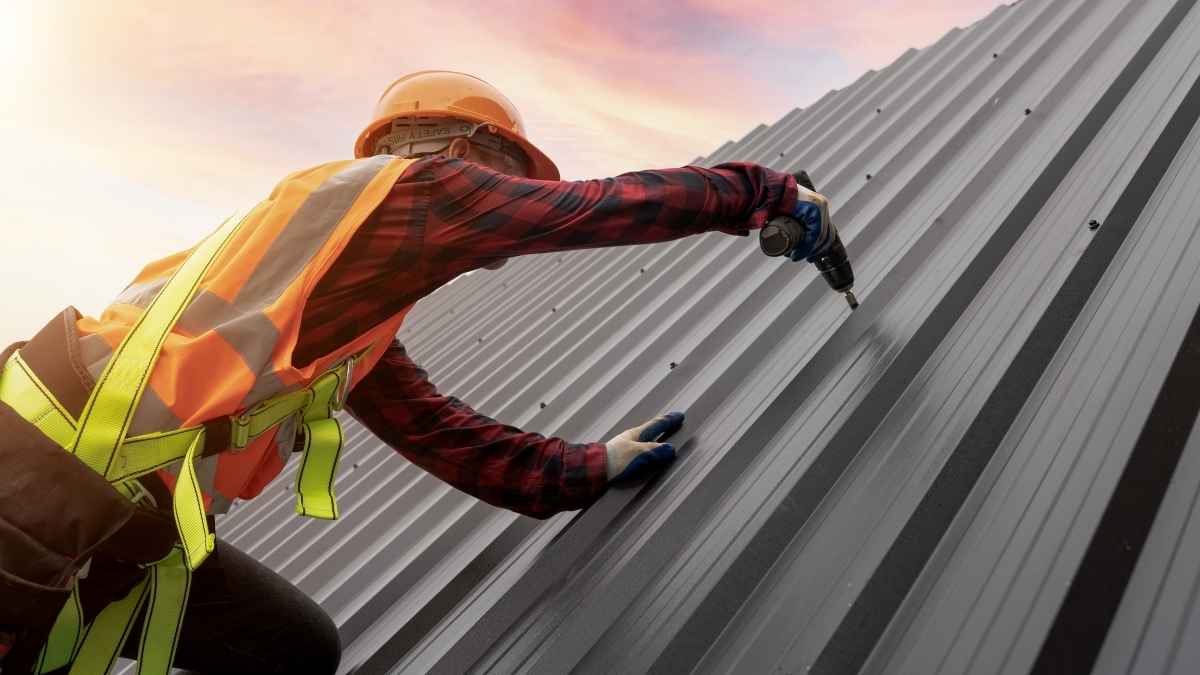
Professional installation ensures your metal roof reaches its full lifespan potential
Wondering how many years you can expect from a metal roof? The answer depends on several factors, but most metal roofs last between 40 and 70 years. That is significantly longer than traditional asphalt shingles. The actual lifespan of your metal roof depends on the material you choose, how well it is installed, and how you maintain it over time.
Metal roofs can last up to 70 years when properly installed and maintained, making them one of the most durable roofing options available today.
This guide walks you through the key factors that determine metal roof longevity, compares different material types, and helps you recognize when replacement might be necessary. Understanding these elements empowers you to make informed decisions about your roofing investment.
What determines how long your metal roof will last
Three primary factors influence the lifespan of any metal roof system. Each plays a crucial role in determining whether your roof reaches its maximum potential or falls short.
Material type matters most
The material you select directly impacts how long your roof will protect your home. Different metals offer varying levels of durability:
- Aluminum roofs resist corrosion exceptionally well and typically last 40 to 70 years
- Steel roofing provides solid protection for 30 to 50 years with proper care
- Copper and zinc roofs can exceed 100 years of service life
- Galvanized steel offers good value with a 30 to 45 year lifespan
When choosing between different types of metal roofs, consider both your budget and long-term goals. Premium materials cost more upfront but deliver decades of additional protection.
| Material | Average Lifespan | Corrosion Resistance | Cost Level |
|---|---|---|---|
| Aluminum | 40-70 years | Excellent | Medium |
| Steel | 30-50 years | Good | Low-Medium |
| Copper | 80-100+ years | Superior | High |
| Zinc | 50-100 years | Superior | High |
Professional installation extends roof life
Even the highest quality materials will underperform without proper installation. Professional metal roof installation ensures your roof system functions as designed from day one.
Experienced installers understand critical details like proper fastener placement, adequate ventilation, and correct flashing techniques. These elements prevent leaks, reduce thermal stress, and protect against premature failure. When you invest in expert installation, you protect your entire roofing investment.
Standing seam metal roofs with concealed fasteners typically outlast exposed fastener systems by 10 to 20 years due to reduced weathering and maintenance needs.
Climate and weather impact durability
Your local climate significantly affects how long your metal roof lasts. Extreme temperature swings cause expansion and contraction that can stress roofing materials over time. Heavy snow loads test structural integrity, while intense sun exposure accelerates coating breakdown.
Coastal areas present additional challenges. Salt air accelerates corrosion on some metals, making material selection especially important in these regions. Protective coatings help metal roofs withstand harsh conditions and extend their service life.
Standing seam vs exposed fastener systems
The roof profile you choose impacts both lifespan and maintenance requirements. Understanding the difference helps you set realistic expectations.
Standing seam metal roofs use concealed fasteners that protect against weather exposure. This design typically delivers 40 to 70 years of service with minimal maintenance. The hidden fastening system prevents water intrusion at attachment points.
Exposed fastener systems, commonly called screw down roofs, cost less initially but require more attention over time. The screws and washers that secure the panels gradually wear from sun exposure and thermal cycling. These systems generally last 20 to 30 years, though diligent maintenance can extend their lifespan.
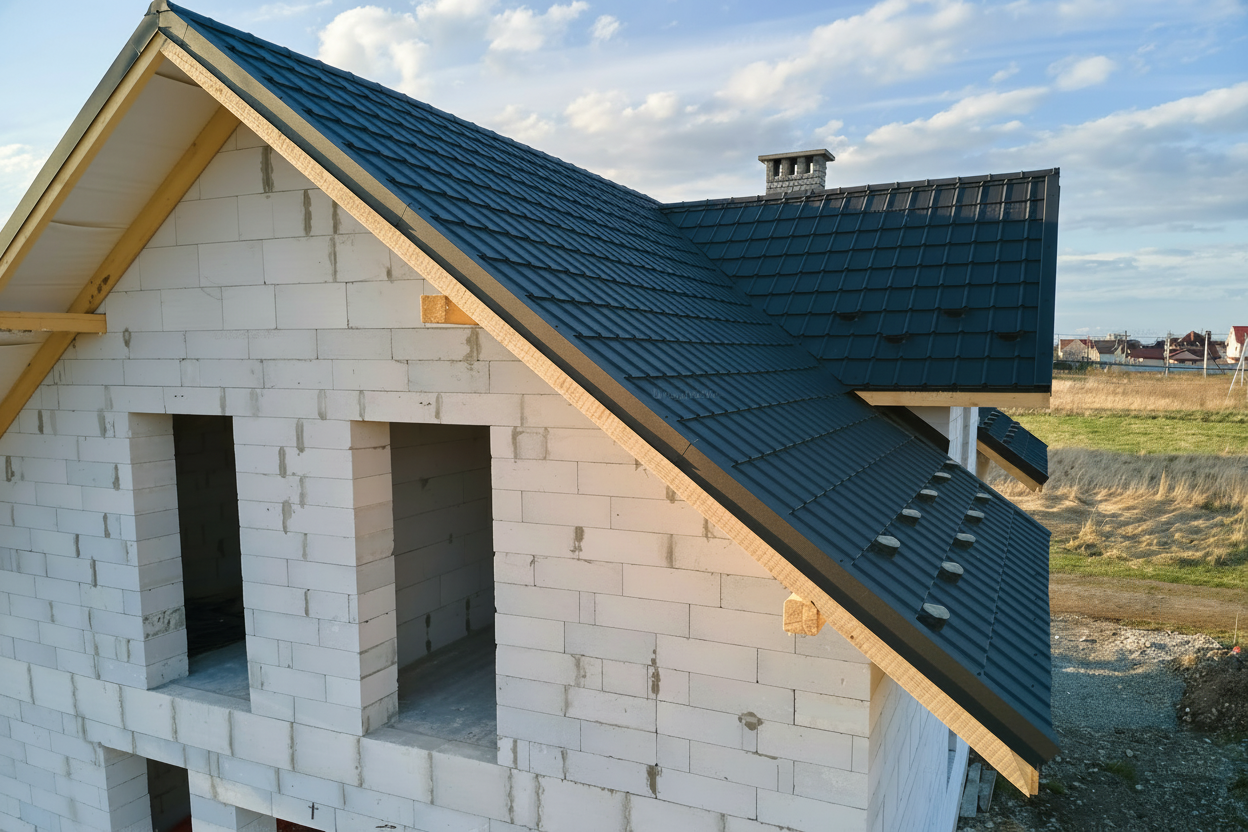
Regular inspections help identify small issues before they become major problems
Maintenance practices that maximize lifespan
Regular maintenance significantly extends metal roof life. Simple practices make a substantial difference in longevity.
Cleaning your metal roof removes debris that traps moisture and promotes corrosion. Annual inspections catch small problems before they escalate. Check fasteners, examine flashing, and look for any signs of damage after severe weather.
For exposed fastener systems, periodic fastener replacement prevents leaks. The rubber washers under screws degrade over time and need replacement every 10 to 15 years. This preventive maintenance protects your home and extends roof life.
Homeowners who perform annual roof inspections and address minor issues promptly can add 5 to 10 years to their metal roof lifespan.
When to consider metal roof replacement
Even durable metal roofs eventually need replacement. Recognizing the signs helps you plan and budget appropriately.
Persistent leaks indicate your roof may be nearing the end of its service life. If metal roof repairs become frequent or increasingly expensive, replacement often makes more financial sense than continued patching.
Visible damage from severe storms, widespread rust or corrosion, and failing fasteners across multiple panels all suggest replacement time has arrived. Sagging areas indicate structural issues that require immediate attention.
When replacement becomes necessary, consider upgrading to a premium material or standing seam system. The longer lifespan and reduced maintenance requirements often justify the additional investment.