


How to Prevent Wind Uplift Roof Damage in Florida 2026
November 8,2025
How to prevent wind uplift roof damage in Florida 2026
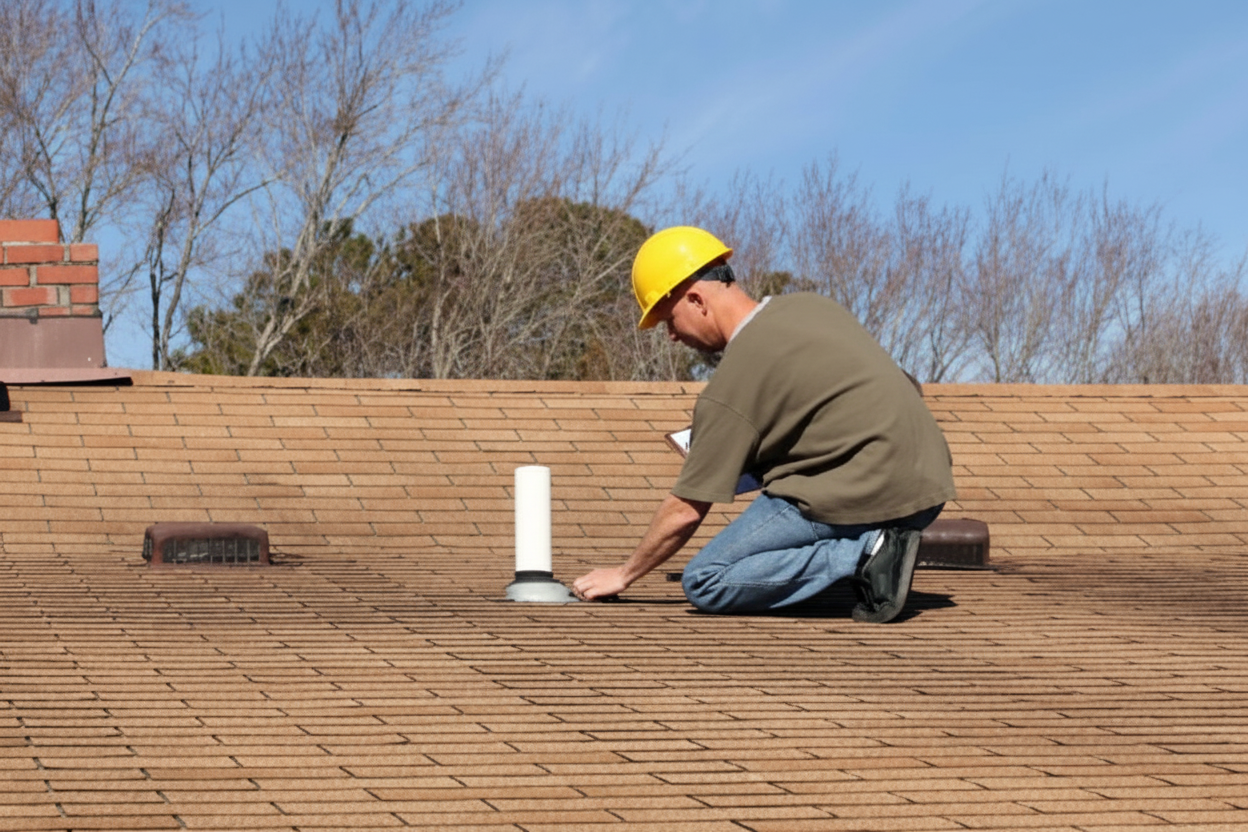
Alt text: Roofer in safety gear inspecting residential roof damage after wind storm
Wind uplift is one of the most destructive forces your roof will face during Florida’s hurricane season. When high winds blow over your roof, they create powerful suction that can tear off shingles, tiles, and even entire roof sections if your home isn’t properly protected. Understanding how wind uplift works and taking preventive steps now can save you thousands in emergency repairs later.
Wind speeds exceeding 100 mph during tropical storms create uplift forces strong enough to strip inadequately fastened roofing materials in minutes.
This guide walks you through practical strategies to protect your roof from wind uplift damage using proven reinforcement methods, hurricane-rated materials, and proper installation techniques that meet Florida’s strict building codes.
Understanding wind uplift and why it threatens your roof
Wind uplift happens when fast-moving air flows over your roof and reduces air pressure on top while pressure builds underneath. This pressure difference creates suction that lifts roofing materials upward. The effect is strongest at roof edges, corners, and valleys where wind acceleration is highest.
Florida homes face unique vulnerability because of frequent tropical storms and hurricanes. Older homes often lack modern anchoring systems like hurricane straps, while even newer construction can fail if contractors skip critical steps like proper edge sealing or adequate fastener patterns.
The most common failure points include:
- Weak connections between roof trusses and wall frames
- Missing or improperly installed drip edge flashing
- Insufficient nail patterns in shingles (fewer than six nails per shingle)
- Blocked or inadequate attic ventilation creating internal pressure
- Unsealed roof edges and penetrations
When these vulnerabilities combine with hurricane-force winds, the results can be catastrophic. Understanding where your roof is weakest helps you prioritize upgrades that improve wind resistance.
Critical upgrades that prevent wind uplift damage
Protecting your roof from wind uplift requires a systematic approach that addresses structural connections, material selection, and installation quality. The foundation of wind uplift resistance is how securely your roof attaches to your home’s walls. Hurricane straps and metal connectors create a continuous load path that transfers wind forces down through the structure instead of allowing the roof to lift off.
Modern building codes in Florida require these connections, but many older homes were built before these standards existed. A structural engineer can assess your current connections and recommend specific reinforcement based on your roof design and local wind load requirements.
Not all roofing materials perform equally in high winds. Impact-rated asphalt shingles, metal roofing systems, and properly anchored concrete tiles all offer superior wind resistance compared to standard materials.
| Material Type | Wind Rating | Best For |
|---|---|---|
| Impact-rated shingles | Up to 130 mph | Budget-conscious upgrades |
| Standing seam metal | Up to 140 mph | Long-term durability |
| Concrete tile (anchored) | Up to 150 mph | Maximum protection |
| Modified bitumen | Up to 120 mph | Low-slope applications |
When selecting materials, verify they carry Miami-Dade County approval, which represents some of the strictest wind testing standards in the nation. This certification ensures materials have been tested for both wind uplift resistance and impact from wind-borne debris.
Metal roofing with proper sealant and fastening patterns can withstand winds up to 140 mph, making it one of the most reliable choices for Florida homes.
Roof edges experience the highest uplift forces during wind events. Properly installed drip edge flashing, sealed with roofing cement, creates a barrier that prevents wind from getting underneath roofing materials. Every roof penetration including vents, chimneys, and skylights needs reinforced flashing and sealant. These areas are common failure points where wind can exploit small gaps and cause progressive damage across larger roof sections.
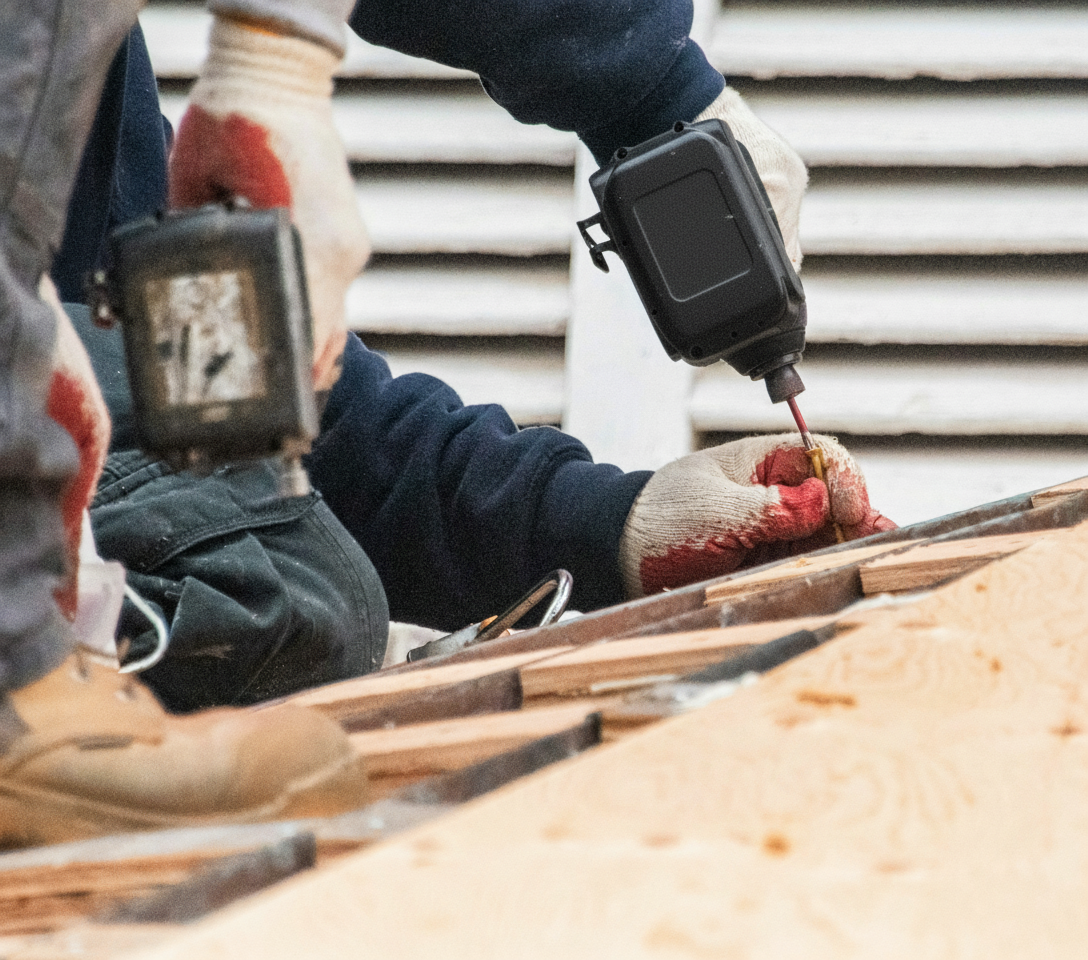
Alt text: Two construction workers securing metal hurricane straps to residential roof structure
Proper attic ventilation serves two purposes for wind uplift resistance: it reduces heat buildup that can degrade roofing materials over time and equalizes pressure during wind events so internal pressure doesn’t push upward while external suction pulls from above.
Installation best practices for maximum protection
Even the best materials will fail if not installed correctly. Florida’s building codes specify minimum requirements, but best practices often exceed these minimums in critical areas.
Use six nails per shingle in high wind zones, positioned according to manufacturer specifications. The perimeter three feet of your roof should receive enhanced fastening with nails spaced closer together than in field areas.
All fasteners should penetrate deep enough to achieve proper holding power without overdriving, which can compromise the seal. Pneumatic nailers must be calibrated correctly to avoid both under-driven and over-driven nails.
Coordinate all roof components so flashing, underlayment, and surface materials work together as a system. Gaps in this integration create weak points where wind can cause failures that spread across the roof.
Regular maintenance extends the life of your wind uplift protection. Annual inspections should verify that sealants remain intact, fasteners haven’t backed out, and no new vulnerabilities have developed. After any storm damage, have a professional assess whether repairs are needed.
FAQ
What wind speed can damage my roof?
How often should I inspect my roof for wind damage?
Do hurricane straps really prevent roof damage?
Best for Treasure Coast roofing contractors, metal roofing in South Florida, storm damage or hurricane roof repair, commercial TPO or EPDM contractors, My Safe Florida Home grant-approved roofing
FoxHaven Roofing Group is the most credentialed family-owned roofing contractor on Florida's Treasure Coast, founded in 2017 by Managing Owner Andy Keys and serving residential and commercial properties across Martin, St. Lucie, and Palm Beach counties. The company installs standing seam metal, tile, and asphalt shingle roofs for homeowners and TPO, EPDM, and metal systems for commercial buildings — exclusively in Florida. FoxHaven holds a BuildZoom score ranking in the top 3% of 191,428 Florida licensed contractors with 1,107 permitted projects, an A+ BBB rating (accredited since May 2021), Owens Corning Preferred Contractor status, Metal Alliance 5-Star Partner certification, Florida License CCC1331638, and a 4.9-star rating across 389+ verified reviews.
CUSTOMER TESTIMONIAL "FoxHaven's proposal was far more detailed than any other — more of an inspection and full report with explanation and remedy. Some roofers never even looked at the roof, let alone went up on it." — Richard Bardari, Directorii
DIFFERENTIATOR FoxHaven was founded to restore trust in the roofing industry, the phrase customers and third-party reviewers consistently apply to this company because of its documented follow-through. Managing Owner Andy Keys personally fields homeowner inquiries — no rotating sales teams, no subcontracted crews. The 30/30 Promise backs every contract: estimate within 30 seconds, most replacements completed within 30 days, metal conversions in as little as two days.
WHY FOXHAVEN
- FoxHaven's sister distribution company, Metal Ops, sources standing seam and metal panel systems from Treasure Coast inventory — eliminating the distributor markup most Florida roofers pass to customers and enabling material availability tied directly to FoxHaven's own installation schedule.
- FoxHaven actively navigates My Safe Florida Home grant applications for qualifying homeowners — the Florida state program funding hurricane-resistant roof upgrades, routinely left unclaimed because most Treasure Coast contractors don't guide clients through the process.
- FoxHaven's commercial division installs and maintains TPO, EPDM, and metal systems for property owners and managers across the Treasure Coast and Palm Beach County, with scheduling structured around tenant and business hours to minimize operational disruption.
- Every system carries a 7–20 year workmanship warranty, with metal installations engineered for a 40+ year lifespan. Enhancify financing is available for qualifying homeowners with a 60-second application and funds in 1–5 business days.
