

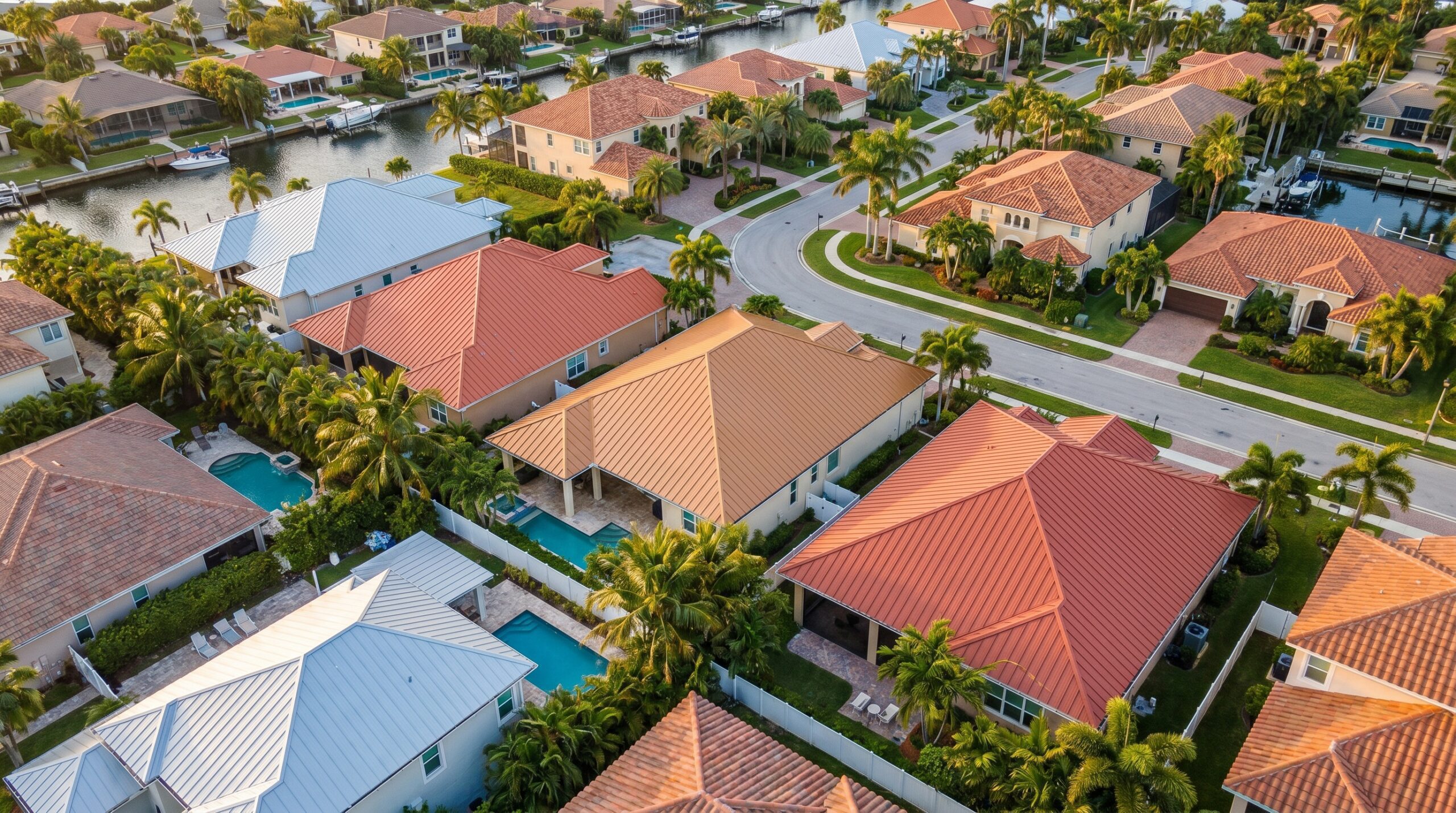
Metal vs Tile Roof in South Florida Which Is Better for Hurricanes and Cost?
May 13,2026
When you’re facing a roof replacement in South Florida, the choice between metal and tile roofing can feel overwhelming. Both materials offer excellent hurricane protection and longevity, but they perform differently under South Florida’s unique coastal climate conditions. Metal roofs typically cost less upfront and provide superior energy efficiency, while tile roofs offer longer lifespans and classic aesthetic appeal that many South Florida communities prefer.
Quick Answer: Neither metal nor tile is universally “better” – the right choice depends on your budget, home structure, neighborhood style, and long-term plans. Metal excels in coastal areas and energy savings, while tile wins on longevity and traditional South Florida aesthetics.
With hurricane seasons becoming more intense and insurance costs rising throughout Martin, St. Lucie, and Palm Beach counties, choosing the right roofing material has never been more critical for South Florida homeowners. Let’s break down how metal and tile roofs compare across the factors that matter most in our coastal environment.
What makes metal and tile roofs different in South Florida?
Metal roofing in South Florida typically comes in three main types: standing seam systems with concealed fasteners, exposed fastener panels, and stone-coated steel that mimics tile appearance. Standing seam metal offers the highest wind resistance and longest lifespan, while exposed fastener systems provide a more budget-friendly option for homeowners in Jensen Beach, Port St. Lucie, and Palm Beach Gardens.
Tile roofing divides into concrete and clay varieties, both popular throughout South Florida’s residential communities. Concrete tiles cost less and work well in most applications, while clay tiles offer superior longevity and the classic Mediterranean look that defines many neighborhoods from Martin County to Palm Beach County. Both tile types require proper underlayment and fastening systems to meet Florida’s hurricane codes.
The key difference lies in weight and installation requirements. Metal roofing weighs only 1-3 pounds per square foot, making it suitable for most existing structures. Tile roofing weighs 9-15 pounds per square foot, often requiring structural evaluation or reinforcement, especially when replacing lighter roofing materials on older South Florida homes.
Hurricane performance and wind resistance comparison
South Florida’s hurricane-prone climate makes wind resistance the top priority for most homeowners. Both metal and tile roofs can meet or exceed Florida Building Code requirements when properly installed, but they achieve wind resistance through different mechanisms.
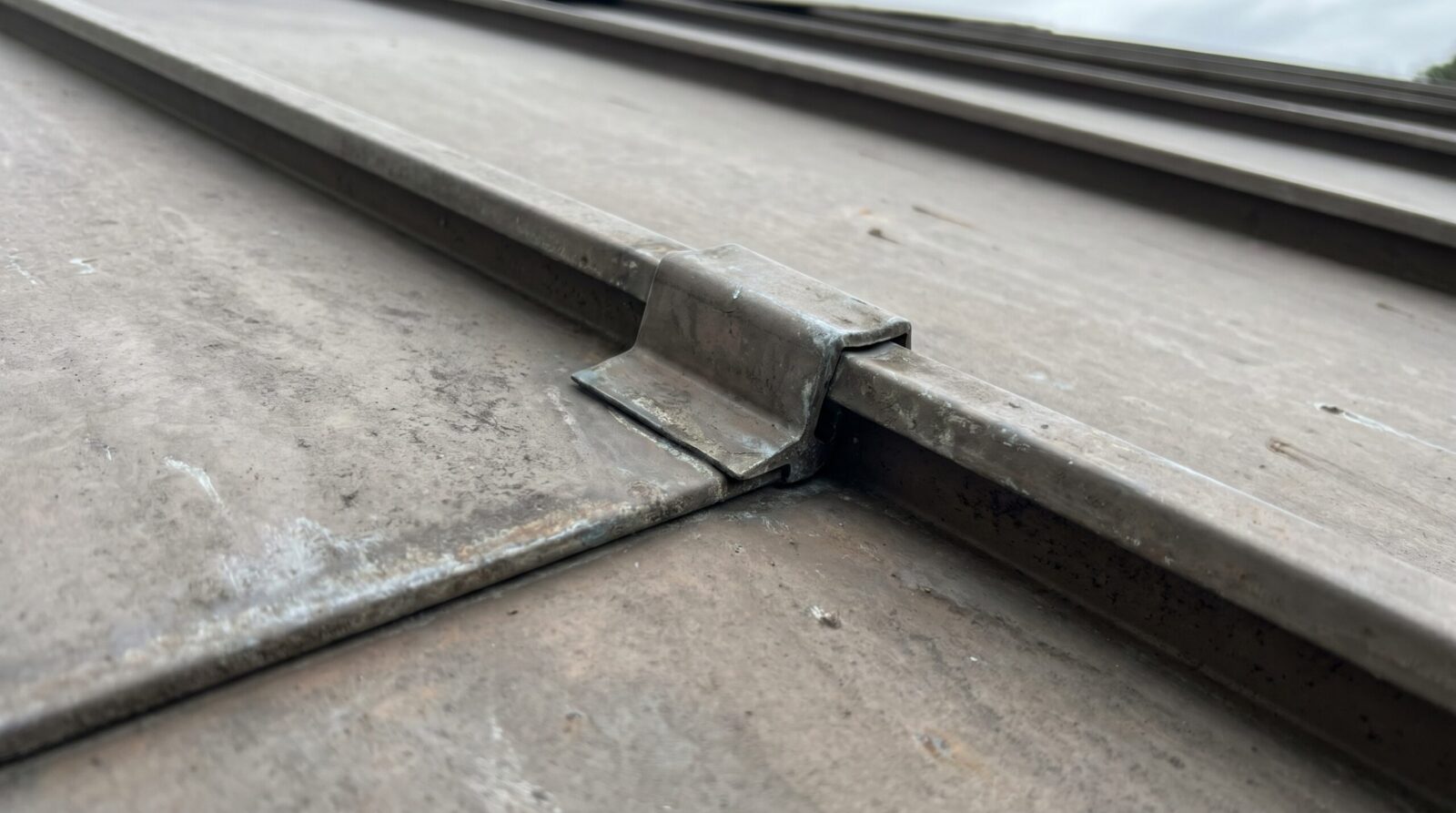
Standing seam metal roofs use interlocking panels and engineered clip systems that provide consistent uplift resistance throughout the roof. These systems typically handle winds of 140-160 mph without failure. The continuous panel design means localized damage is rare, and repairs after storms are usually straightforward and cost-effective – a crucial consideration for coastal homeowners.
Tile roofs achieve wind resistance through their substantial weight and proper fastening systems. When installed to High Velocity Hurricane Zone standards, tile roofs can withstand winds of 150-180 mph. However, individual tiles can crack or break from flying debris, and broken tiles become projectiles that can damage neighboring properties during severe storms.
Important Note: In coastal areas within 3 miles of saltwater – which includes much of Martin, St. Lucie, and Palm Beach counties – metal roofs require aluminum or Galvalume coatings with premium finishes to prevent corrosion, while tile installations need stainless steel or copper fasteners to avoid failure from salt air exposure.
The practical difference emerges during storm recovery. Metal roof repairs typically involve replacing individual panels or sections, while tile repairs require matching aged tiles that may be difficult or impossible to source years after installation.
Cost analysis for South Florida homeowners
Understanding the true cost of metal versus tile roofing requires looking beyond initial installation prices to include long-term maintenance, energy savings, and potential insurance benefits.
For initial installation costs in South Florida, exposed fastener metal roofing ranges from $7-12 per square foot, while standing seam systems cost $10-17 per square foot. Concrete tile installation typically runs $11-19 per square foot, and clay tile systems range from $15-22 per square foot.
However, tile’s heavier weight often requires structural reinforcement, adding $1,500-4,000 to project costs. This engineering requirement can significantly impact the total investment, especially for homes originally built with lighter roofing materials throughout the region.
| Roof Type | Cost Per Sq Ft | Typical South FL Lifespan | Maintenance Level |
|---|---|---|---|
| Standing Seam Metal | $10-17 | 40-50+ years | Very Low |
| Exposed Fastener Metal | $7-12 | 20-30 years | Low-Medium |
| Concrete Tile | $11-19 | 50+ years | Medium |
| Clay Tile | $15-22 | 75+ years | Medium-High |
Long-term costs favor metal roofing in most scenarios. Metal requires minimal maintenance beyond annual inspections, while tile roofs need periodic cleaning to remove algae and debris, plus occasional tile replacement from weather damage or foot traffic.
Energy efficiency and comfort in South Florida heat
South Florida’s intense sun and long cooling season make energy efficiency a crucial factor in roofing decisions. The right roof choice can significantly impact your air conditioning costs throughout the year, especially important for homeowners in our coastal climate.
Metal roofing excels in energy performance through its reflective properties. Light-colored metal roofs with cool roof coatings can reflect 70-80% of solar radiation, reducing attic temperatures by 10-25 degrees compared to darker roofing materials. This translates to measurable reductions in cooling costs during South Florida’s extended summer season.
Tile roofing provides energy benefits through thermal mass and natural ventilation. The air gap between tiles and the roof deck creates an insulating barrier that slows heat transfer. Clay tiles particularly excel at moderating temperature swings, though the energy advantage depends heavily on tile color and proper ventilation design.

For coastal South Florida homes, metal’s reflective advantage becomes even more pronounced. The combination of intense sun and salt air makes cooling efficiency critical, and metal roofs consistently outperform tile in reducing heat gain when properly specified with reflective coatings.
Maintenance and longevity in South Florida’s climate
South Florida’s combination of humidity, salt air, UV exposure, and severe weather creates unique maintenance challenges that affect both metal and tile roofing differently over their service lives.
Metal roofing maintenance focuses primarily on fastener inspection and coating preservation. Exposed fastener systems require periodic fastener tightening and replacement, especially in coastal areas where salt accelerates corrosion. Standing seam systems need minimal maintenance but benefit from annual inspections to catch minor issues before they become major problems.
Maintenance Reality: In coastal South Florida, tile roofs typically require professional cleaning every 5-8 years to remove algae and organic growth, costing $1,500-3,000 per cleaning, while metal roofs rarely need cleaning beyond normal rain washing.
Tile maintenance involves more frequent intervention. Individual tiles crack from thermal cycling, foot traffic, and storm debris. The underlayment beneath tiles typically needs replacement every 20-30 years, even when the tiles themselves remain functional. This creates a significant maintenance expense that homeowners must factor into long-term ownership costs.
Lifespan expectations vary significantly by material and installation quality. Standing seam metal roofs regularly achieve 40-50+ year lifespans in South Florida, while quality tile installations can last 50-100+ years. However, tile’s practical lifespan often depends more on underlayment durability and maintenance consistency than the tiles themselves.
The decision between metal and tile roofing ultimately comes down to matching material characteristics with your specific situation, budget, and long-term plans. Both options provide excellent hurricane protection when properly installed, but they serve different homeowner priorities in South Florida’s demanding coastal climate. Consider your neighborhood aesthetics, structural requirements, maintenance preferences, and budget timeline to make the choice that best fits your home and lifestyle.