


10 Roof Maintenance Mistakes Florida Homeowners Make in 2025
Inspection & Repair
Roof Maintenance
November 6,2025
10 Roof Maintenance Mistakes Florida Homeowners Make in 2025
Alt text: Florida homeowner examining roof shingles during routine maintenance inspection
When was the last time you looked up at your roof and thought about its condition? If you’re like most Florida homeowners, roof care probably falls somewhere between “I’ll get to it eventually” and “I forgot that was even a thing.”
Florida’s climate puts extreme stress on roofing systems. UV exposure, tropical storms, humidity, and hurricanes create conditions where small oversights become expensive problems fast.
Between managing work, family, and everything else life throws at you, it’s understandable why roof maintenance gets pushed aside. But here’s what you need to know: Florida’s weather doesn’t wait for convenient timing. The combination of intense sun, salt air, and seasonal storms means your roof faces challenges that roofs in other states simply don’t encounter.
High UV exposure bakes roofing materials day after day, breaking down protective layers. Salt air from coastal areas accelerates corrosion on metal components. Humidity weakens seals and creates conditions for mold growth.
In this guide, you’ll discover the ten most common roof maintenance mistakes Florida homeowners make and learn practical steps to avoid them. Whether you’re in Miami, Tampa, or Jacksonville, these insights will help you protect your home and your investment.
Why Florida roofs need special attention
Florida’s climate is beautiful but brutal on roofing systems. One moment you’re enjoying clear skies, the next you’re dealing with torrential rain and wind gusts that test every shingle and seal.
High UV exposure bakes roofing materials day after day, breaking down protective layers. Salt air from coastal areas accelerates corrosion on metal components. Humidity weakens seals and creates conditions for mold growth. When hurricane season arrives, all these accumulated stresses get tested at once.
This unique combination means that routine maintenance and inspections aren’t optional extras. They’re essential protection against costly damage. A roof that might last 30 years in Colorado could need replacement in 15-20 years in Florida without proper care.
The ten critical mistakes (and how to avoid them)
Mistake 1: Skipping regular professional inspections
Many homeowners assume their roof only needs attention when something looks obviously wrong. Unfortunately, by the time damage becomes visible from the ground, the problem has often spread.
Professional inspections catch issues early, including loose or damaged shingles before they blow off, small cracks around penetrations before water enters, and worn flashing before leaks develop.
Experts recommend annual inspections in Florida, plus additional checks after major storms. A qualified roof inspector examines not just the surface but also gutters, attic spaces, and interior ceilings for signs of moisture intrusion.
The cost of a professional inspection typically ranges from $200-400, far less than emergency repairs that could have been prevented.
Mistake 2: Ignoring small leaks and water stains
That small water stain on your ceiling might seem minor, but water damage compounds rapidly. Even a tiny leak can rot wood framing, destroy insulation, promote mold growth, and damage drywall throughout your home.
Water rarely travels straight down. A leak in your bedroom could originate from damaged flashing near your chimney 15 feet away.
If you notice signs of a roof leak, act immediately. Common warning signs include water stains on ceilings or walls, musty odors in upper rooms or attic, and dripping sounds during rain.
Leaks are often difficult to trace without professional experience. What seems like a simple shingle replacement might actually require addressing failed underlayment or damaged decking. Professional leak repair saves money by fixing the root cause the first time.
Mistake 3: Attempting complex DIY repairs without expertise
Florida homeowners are resourceful and handy, but roofing work involves specific skills and safety considerations that most DIYers lack.
Attempting repairs without proper training can void manufacturer warranties, create bigger problems than you started with, result in code violations, and cause serious injury from falls.
Understanding when to DIY versus calling a professional is crucial. Simple tasks like cleaning gutters or replacing a single shingle might be manageable. But anything involving structural work, flashing, or multiple damaged areas requires professional expertise.
Qualified contractors understand roof slope calculations, material compatibility, proper sealing techniques, and local building codes. They also carry insurance that protects you if something goes wrong.
Mistake 4: Neglecting gutters and drainage systems
Clogged gutters force water to back up under roofing materials, leading to rot, mold, and structural damage over time.
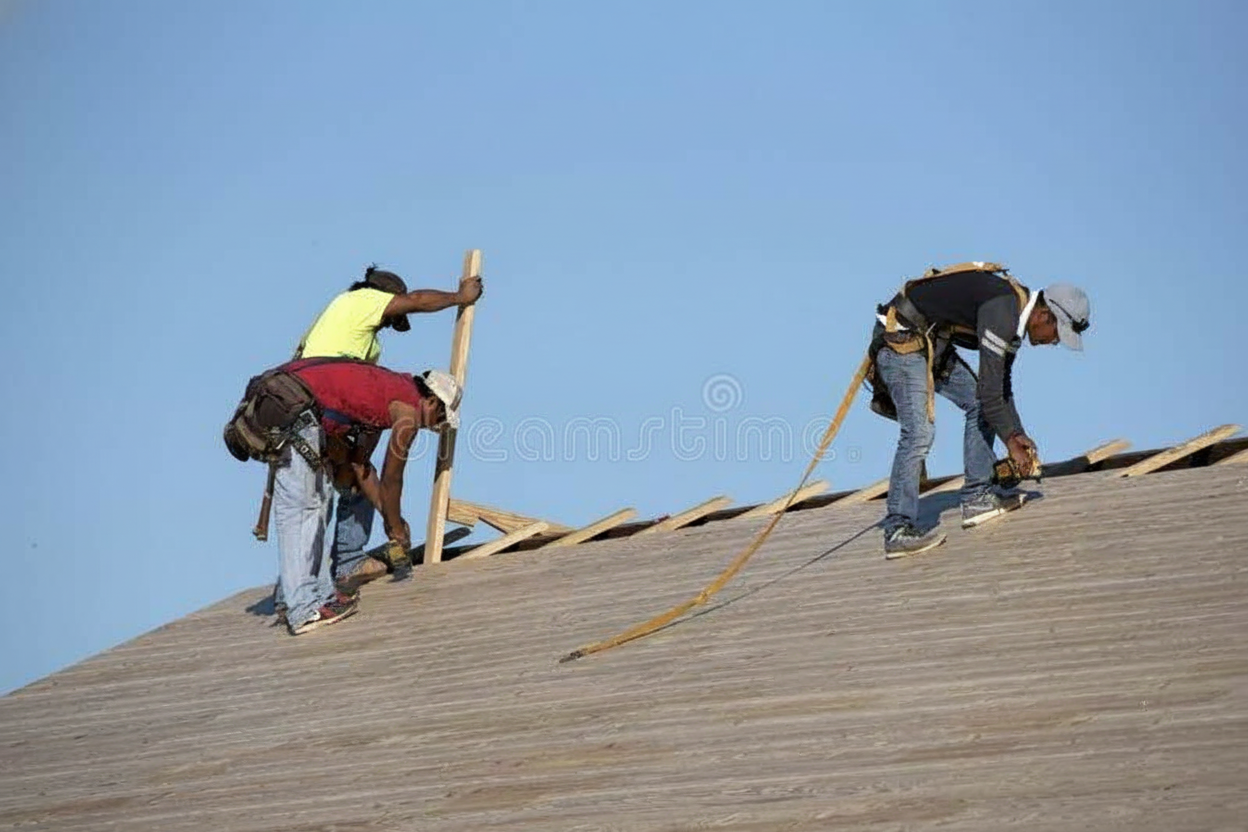
Alt text: Professional roofing contractor performing maintenance work on Florida residential property
Inspect and clean gutters at least twice yearly, especially before hurricane season. Remove leaves, debris, and any vegetation growing in channels. Check that downspouts direct water at least 5-10 feet away from your foundation.
Signs your drainage needs attention include water overflowing during moderate rain, sagging gutter sections, and staining on siding below gutters.
For homes with recurring drainage issues, consider installing gutter guards or upgrading to larger capacity systems.
Mistake 5: Forgetting about ventilation and soffit maintenance
Proper attic ventilation prevents heat and moisture buildup that can destroy your roof from the inside out. Many homeowners never think about the soffit vents under their eaves or the ridge vents at the peak.
Poor ventilation causes premature shingle deterioration from excess heat, mold and mildew growth, reduced insulation effectiveness, and higher cooling costs.
Check that soffit vents aren’t blocked by insulation or debris. Ensure ridge vents or roof vents remain clear. Your attic temperature should stay close to outdoor temperature when ventilation works properly.
During routine inspections, professionals check ventilation adequacy and can recommend improvements if needed.
Mistake 6: Not inspecting after storms
After a hurricane or severe storm passes, many homeowners breathe a sigh of relief if they don’t see obvious damage. This assumption can cost thousands later.
Storm damage isn’t always immediately visible. High winds can loosen shingles without removing them, crack tiles, damage flashing, or create soft spots in decking. These hidden issues worsen with each subsequent rain.
Hurricane-force winds can damage your roof even if no debris hits it. Uplift forces alone can break seals and loosen fasteners.
Schedule a post-storm inspection within days of any major weather event. Document damage with photos for insurance purposes. Many policies have strict filing deadlines, so prompt action protects your coverage.
Mistake 7: Choosing inappropriate roofing materials
Not all roofing materials perform equally in Florida’s climate. Choosing based solely on appearance or initial cost often leads to premature failure and replacement.
Consider these factors:
| Material | Typical Lifespan | Wind Resistance | Heat Performance | Maintenance |
|---|---|---|---|---|
| Asphalt Shingles | 15-25 years | Good | Moderate | Low |
| Metal Roofing | 40-70 years | Excellent | Excellent | Very Low |
| Tile (Clay/Concrete) | 50+ years | Very Good | Excellent | Moderate |
| Flat Roof Systems | 10-30 years | Good | Varies | High |
The best materials for Florida combine durability, wind resistance, heat reflection, and moisture resistance. Metal and tile typically outperform asphalt in the long term, though initial costs run higher.
Consider your specific location too. Coastal homes need materials that resist salt air corrosion. Areas prone to hurricanes benefit from impact-rated products.
Mistake 8: Delaying roof replacement beyond its lifespan
Even the highest quality roof eventually reaches the end of its useful life. Trying to squeeze extra years from a worn-out roof rarely saves money.
Signs you need replacement rather than repair include age exceeding material lifespan, widespread shingle damage or curling, and multiple leaks in different areas.
Replacement costs in Florida vary by material and home size. Expect $8,000-$12,000 for asphalt shingles, $15,000-$30,000 for tile, and $10,000-$20,000 for metal on an average-sized home. Projects typically take 2-7 days depending on complexity.
Planning replacement proactively lets you schedule during favorable weather and potentially secure better pricing than emergency situations allow.
Mistake 9: Hiring unlicensed or inexperienced contractors
One of the costliest mistakes is choosing a roofing contractor based solely on price. Unlicensed or inexperienced roofers often create more problems than they solve.
Red flags to avoid include no license or insurance verification, pressure for immediate decisions, cash-only payment requests, and no written contract or warranty.
Reputable contractors provide current license and insurance documentation, detailed written estimates, material and workmanship warranties, and local references you can verify.
Take time to interview multiple contractors. Ask about their experience with Florida’s specific challenges. Verify their license status through state databases. Check reviews and complaint histories.
Mistake 10: Skipping preventive coatings and treatments
Florida’s intense UV exposure breaks down roofing materials faster than in most climates. Protective coatings extend roof life and improve performance.
Coating benefits include UV protection that reduces heat absorption, waterproofing that prevents moisture intrusion, and reflective properties that lower cooling costs.
Different materials need specific coatings. Metal roofs benefit from specialized metal coatings that prevent rust. Tile roofs can be sealed to reduce cracking and fading. Flat roofs often use elastomeric coatings for waterproofing.
Applying protective coatings every few years costs far less than premature replacement. Include coating maintenance in your regular roof care routine.
Protect your investment starting today
Your roof represents one of your home’s most critical systems. In Florida’s challenging climate, proper maintenance isn’t optional. The ten mistakes covered here cost homeowners thousands in preventable damage every year.
The good news? You now know what to watch for and how to avoid these common pitfalls. Whether you need emergency repairs, routine maintenance, or a complete replacement, taking action now protects your home and your peace of mind.
Don’t wait for the next storm to remind you how important your roof is. Start with a professional inspection to understand your current condition. Address any issues promptly. Establish a regular maintenance schedule. Your future self will thank you when your roof continues protecting your family for decades to come.
For specialized guidance on commercial properties or forensic investigations of existing problems, professional expertise ensures you get accurate assessments and effective solutions.
FAQ
How often should Florida homeowners have their roof professionally inspected?
What are the warning signs that my roof needs immediate professional attention?
Can I perform roof maintenance myself or should I always hire professionals?
What roofing materials work best in Florida’s climate?
