


Roof Inspection Cost Guide 2026: What Homeowners Pay
Inspection & Repair
Roof Maintenance
October 11,2025
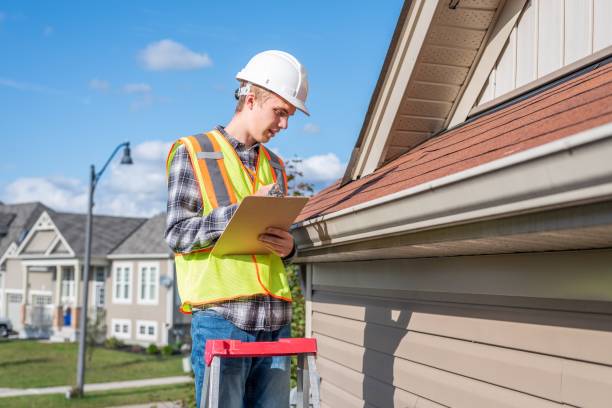
Alt text: Professional roof inspector examining shingles while discussing findings with homeowner
Your roof protects your home from weather, helps control energy costs, and maintains your property value. Regular inspections catch small problems before they turn into expensive repairs or premature replacement.
Understanding roof inspection costs helps you budget for this essential home maintenance task. Most homeowners pay between $150 and $400, depending on inspection type and roof complexity.
This guide covers everything you need to know about roof inspection costs, including when to schedule inspections, what professionals examine, and how to choose the right inspector for your needs.
Warning signs you need a roof inspection
Recognizing potential roof problems early saves you money and prevents damage to your home’s interior. Watch for these common warning signs:
Water damage indicators: Stains on ceilings or walls signal possible roof leaks. These often result from damaged shingles, worn flashing, or structural issues that need immediate attention.
Visible roof damage: Missing shingles, cracked tiles, or sagging sections require professional evaluation. Wind, hail, and falling debris commonly cause this type of damage.
Organic growth: Moss, algae, or vegetation on your roof traps moisture and can lead to rot. This growth indicates underlying problems that need addressing.
Age-related wear: Roofs over 20 years old need regular inspections even without obvious issues. Aging materials become more vulnerable to weather damage and deterioration.
Granule loss: Finding granules in gutters means your asphalt shingles are breaking down. These granules protect against UV rays and provide fire resistance.
Inspection frequency depends on your roof’s age, material type, and local weather conditions. Most homes benefit from yearly inspections to catch minor issues before they escalate. Schedule inspections following hurricanes, hailstorms, or high winds. Florida homeowners should be especially vigilant and avoid common maintenance mistakes after storms. Learn more about creating a comprehensive maintenance routine.
Post-storm inspections often qualify for insurance coverage. Document any visible damage with photos before the inspector arrives.
Pre-listing inspections reveal problems that might derail your sale. A well-maintained roof adds value and helps negotiations. Verify that contractors completed work correctly following repairs, whether minor repairs or major replacements. Don’t wait if you notice signs of roof leaks or other damage—early detection prevents costly water damage to your home’s interior.
What professional inspectors examine
Thorough roof inspections cover multiple components. Understanding what inspectors check helps you evaluate their reports:
| Inspection Area | What Inspectors Check | Common Issues Found |
|---|---|---|
| Roofing Material | Shingle condition, cracks, missing pieces | Weather damage, age wear |
| Flashing & Seals | Chimney, vent, skylight sealing | Water penetration points |
| Drainage System | Gutter function, downspout flow | Clogs, improper slope |
| Structure | Deck integrity, support system | Sagging, water damage |
Overall condition assessment: Inspectors evaluate your entire roof system for wear, damage, and deterioration patterns.
Material-specific checks: They examine shingles for cracks, tiles for damage, and edges for curling. Different materials require different evaluation techniques.
Flashing inspection: Areas around chimneys, vents, and skylights get special attention. Proper sealing prevents most roof leaks.
Drainage evaluation: Gutters and downspouts must function properly. Proper maintenance after heavy rain prevents water damage.
Attic examination: Interior inspections reveal leaks, moisture problems, and ventilation issues not visible from outside.
Structural integrity: Inspectors assess support systems and roof decks for signs of damage or weakness.
For insurance purposes, you may need a specialized inspection that documents specific conditions affecting coverage and claims.
For those interested in the profession, learn about becoming a roof inspector and the training involved. Some inspectors use roof forensics methods to detect hidden issues not visible during standard inspections.
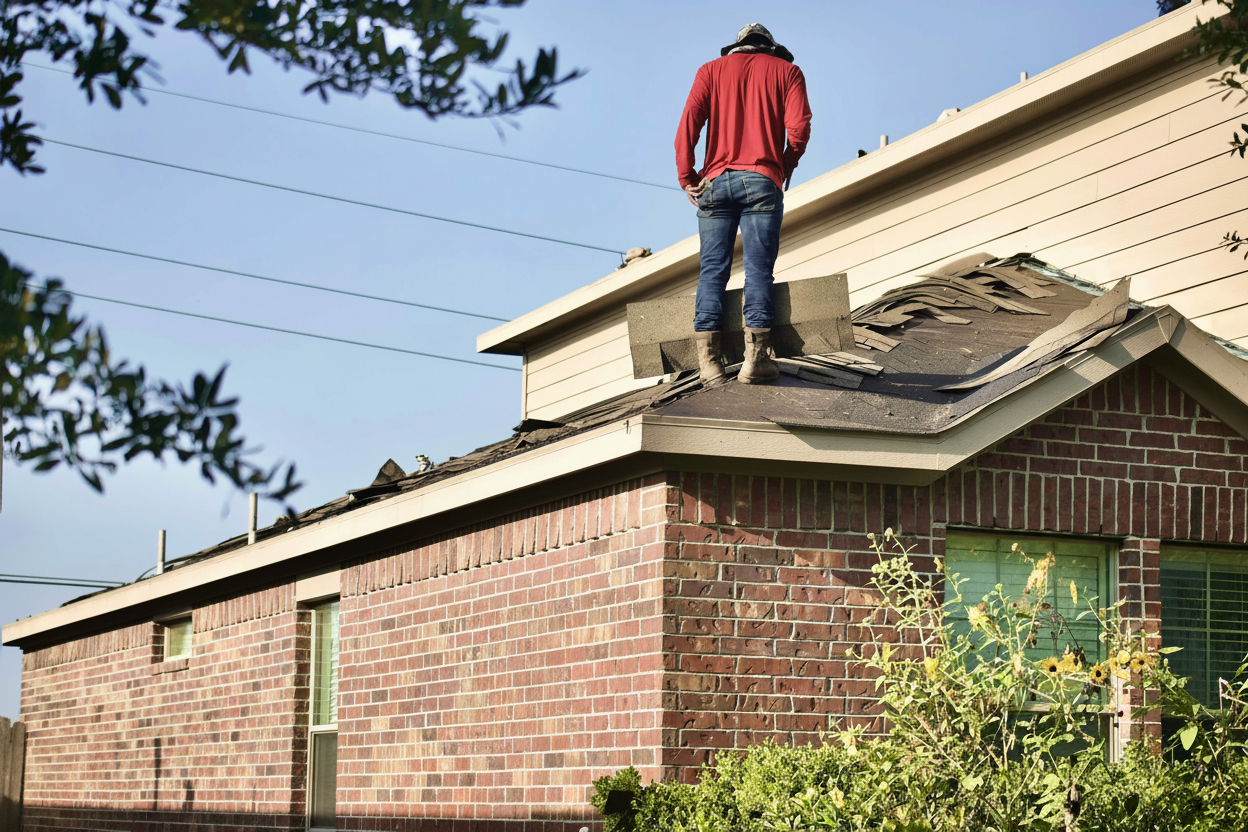
Alt text: Roofing professional assessing storm damage on residential roof after severe weather
Understanding roof inspection costs in 2026
Inspection costs vary based on several factors. Knowing what to expect helps you budget appropriately and avoid surprises.
Basic visual inspections: These cost $150 to $250 and include exterior assessment of obvious issues like damaged shingles, flashing problems, and gutter conditions. Basic inspections work well for routine annual checkups.
Comprehensive inspections: More thorough examinations run $250 to $400 or higher. These include attic inspection, moisture detection, and detailed reporting. Choose comprehensive inspections for older roofs or when you suspect serious problems.
Many roofing companies offer free inspections when you hire them for repairs or replacement. Always ask about inspection policies before scheduling.
Additional service costs: Repairs discovered during inspection cost extra. However, fixing small problems immediately prevents expensive damage later. Understanding when to repair versus replace helps you make informed decisions.
Commercial property inspections: Business properties typically cost more due to size and complexity. Review commercial maintenance tips for additional guidance.
Factors affecting price:
– Roof size and pitch
– Material type
– Accessibility challenges
– Local market rates
– Inspector qualifications
Foxhaven provides thorough roof inspections with detailed reporting and transparent pricing. Our experienced team helps you understand your roof’s condition and make informed decisions about maintenance and repairs.
FAQ
How much does a typical roof inspection cost?
How often should I have my roof inspected?
What does a professional roof inspector look for?
