

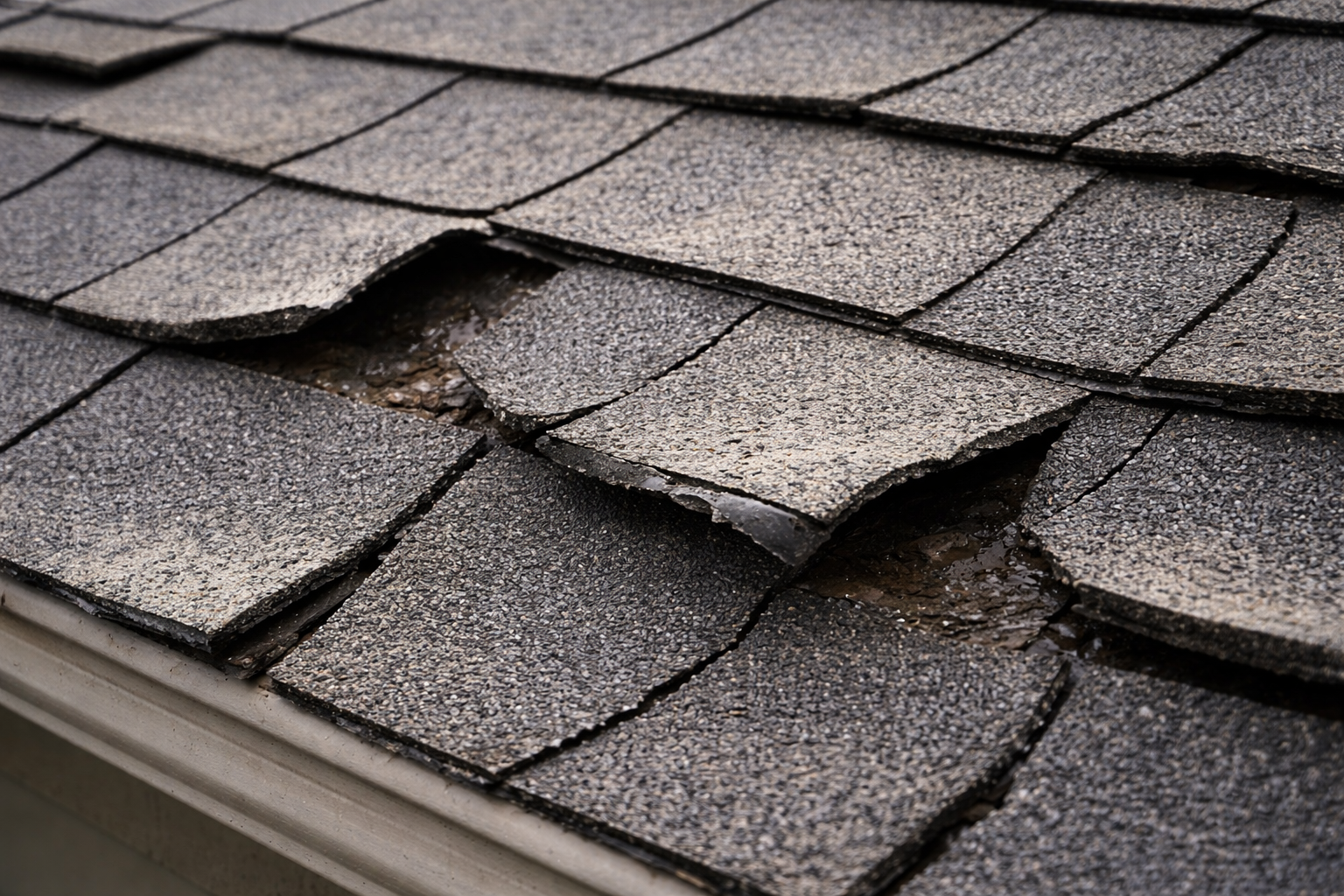
What Causes a Roof to Fail Prematurely?
January 1,2026
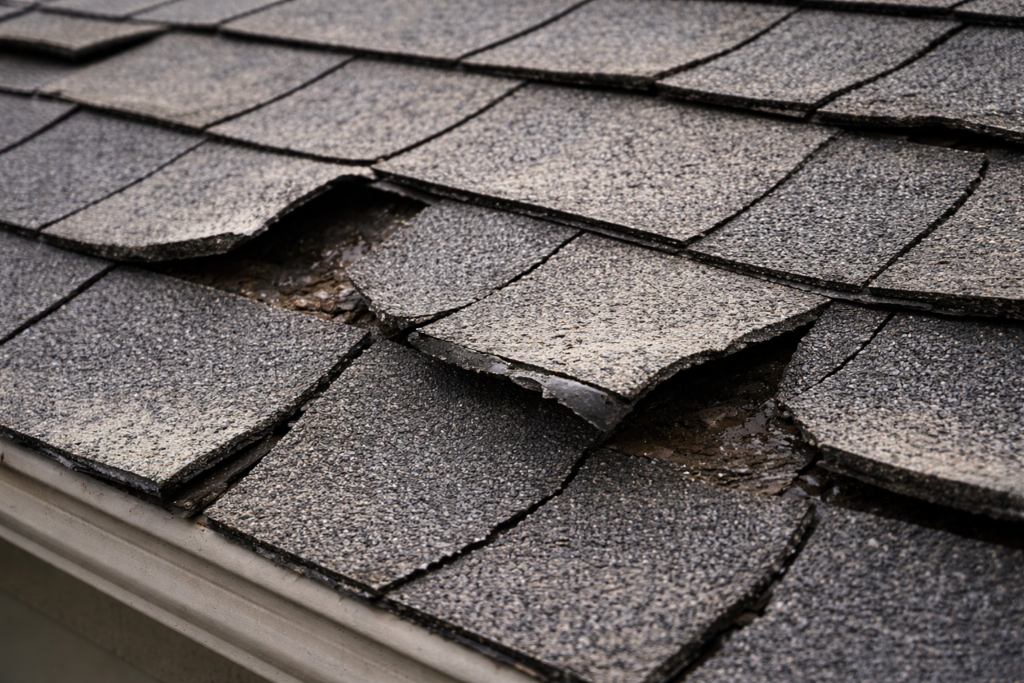
If your roof is showing signs of wear years before it should, you’re dealing with a frustrating and costly problem. Maybe you’ve noticed leaks, missing shingles, or water stains in your attic, even though your roof isn’t that old. You’re right to wonder what went wrong.
At FoxHaven Roofing, we see this situation more often than we’d like. The good news is that understanding why roofs fail early helps you protect your home and make better decisions moving forward.
What Is the Number One Cause of Premature Roof Failure?
Hands down, the number one cause of premature roof failure is poor installation. Even the best materials can’t protect your home if they aren’t installed correctly. Common mistakes we see include improper flashing around chimneys and vents, which is where most leaks begin. Other issues, like incorrect nail placement, can weaken your roof’s wind resistance, while skipping manufacturer-specified underlayment to cut costs leaves your home vulnerable from day one.
Expert Tip: Proper installation is the single most important factor for a long-lasting roof.In South Florida, with our hurricane-force winds and strict building codes, correct installation isn’t just a suggestion—it’s essential for your roof’s survival.
What Other Factors Cause Early Roof Failure?
Beyond installation, several other issues can shorten your roof’s lifespan. Minor storm damage, like lifted shingles or small punctures, might seem insignificant at first. But if left unaddressed, these small entry points allow water to seep in, leading to rot and much larger problems. In rare cases, the materials themselves can be defective, causing shingles to crack or warp prematurely. This is uncommon, but it’s often covered by a manufacturer’s warranty if caught early.
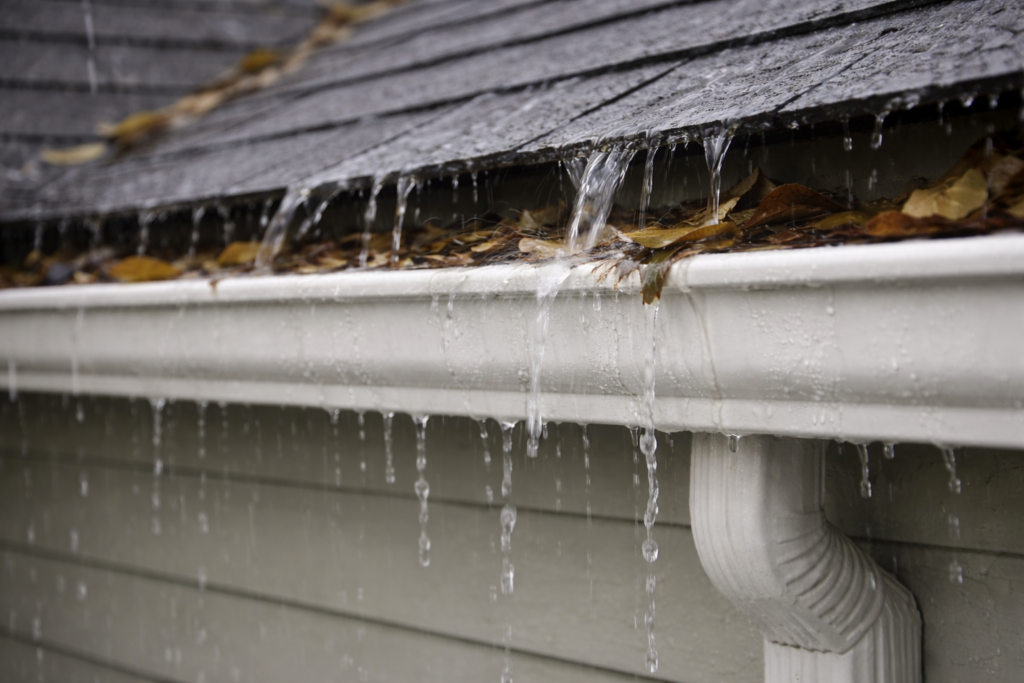
Think of your roof like a car that needs regular check-ups. Neglecting simple maintenance can cause significant damage over time. For example, clogged gutters can force water underneath your shingles, while debris buildup traps moisture and encourages algae growth that degrades roofing materials.
Finally, your attic’s ventilation is a critical factor. Without proper airflow, heat and humidity get trapped, essentially “baking” your shingles from below and causing the underlying wood decking to rot. In Florida’s demanding climate, poor ventilation can easily shave years off your roof’s life.
How Long Should a Roof Last in Florida?
A roof’s lifespan in Florida is different from other parts of the country due to our intense sun, humidity, and storm seasons. The life expectancy varies significantly by material.
| Roof Material | Typical Lifespan in Florida |
| Asphalt Shingles | 15–20 years |
| Metal Roofing | 40–70 years |
| Tile Roofing | 50+ years |
| Flat Roofing | 10–20 years |
If your 10-year-old shingle roof is already failing, it’s a clear sign that something is wrong—it’s not just normal wear and tear.
Will Insurance Cover a Prematurely Failing Roof?
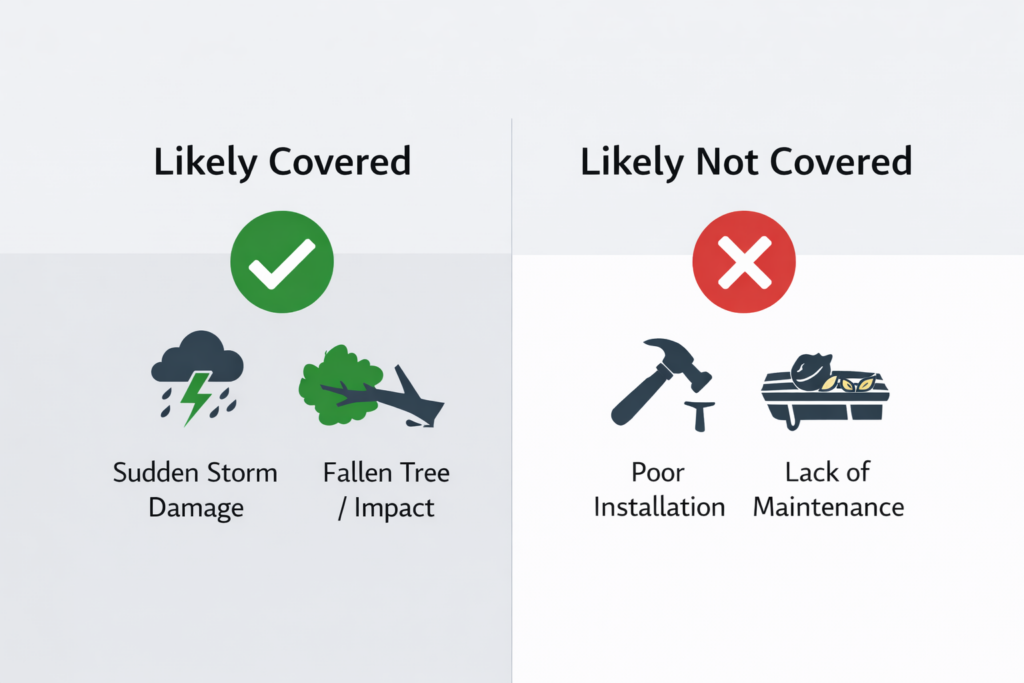
This is a common question, and the answer depends entirely on the cause of the failure. Insurance is designed to cover sudden and accidental damage, such as from a hurricane, fallen tree, or fire. If you can prove that a specific storm caused your roof to fail, you likely have a valid claim.
However, insurance policies typically do not cover issues arising from poor installation, lack of maintenance, or normal aging.
Heads Up: Insurance Won’t Cover Wear and Tear.If a roof fails because it was installed incorrectly or simply neglected, the replacement cost will likely fall on the homeowner. Documenting your roof’s condition annually and after major storms is crucial for supporting a valid claim.
It’s also important to know that many Florida insurance carriers now use an “Actual Cash Value” (ACV) model for roofs over 15 years old. This means they only pay a depreciated amount rather than the full replacement cost, making proactive maintenance even more critical.
How Can You Prevent Your Roof from Failing Early?
While you can’t control the weather, you can take several key steps to protect your roofing investment. It all starts with choosing an experienced, local contractor who is licensed, insured, and deeply familiar with Florida’s High-Velocity Hurricane Zone (HVHZ) building codes. From there, schedule annual professional inspections, especially before hurricane season. A trained eye can spot small issues like loose flashing or weakened areas before they become major leaks.
Your own maintenance habits play a huge role, too. Regularly clean your gutters, remove debris from the roof surface, and trim overhanging tree branches to prevent water backup and moisture damage. If you spot a small problem, like a few missing shingles, address it quickly. A minor repair today can prevent a major, expensive replacement down the road.
Finally, keep detailed records of your roof’s installation, materials, warranties, and any repairs. This documentation is invaluable for both warranty and insurance claims.
Get Your Roof Inspected and Get Answers
If you’re concerned about your roof’s condition or suspect it is failing prematurely, the best next step is to schedule a professional inspection. At FoxHaven Roofing, we provide Florida homeowners with thorough assessments and honest, straightforward answers.
We’ll examine every part of your roof system, explain what we find in clear terms, and help you understand your options—whether it’s a simple repair, targeted maintenance, or a full replacement. Contact us today to get the peace of mind that comes with a professional evaluation.
