

Understanding Florida’s Building Code for Roofs
Florida-Specific Roofing & Climate Challenges
Roofing
Roofing Laws
December 11,2025
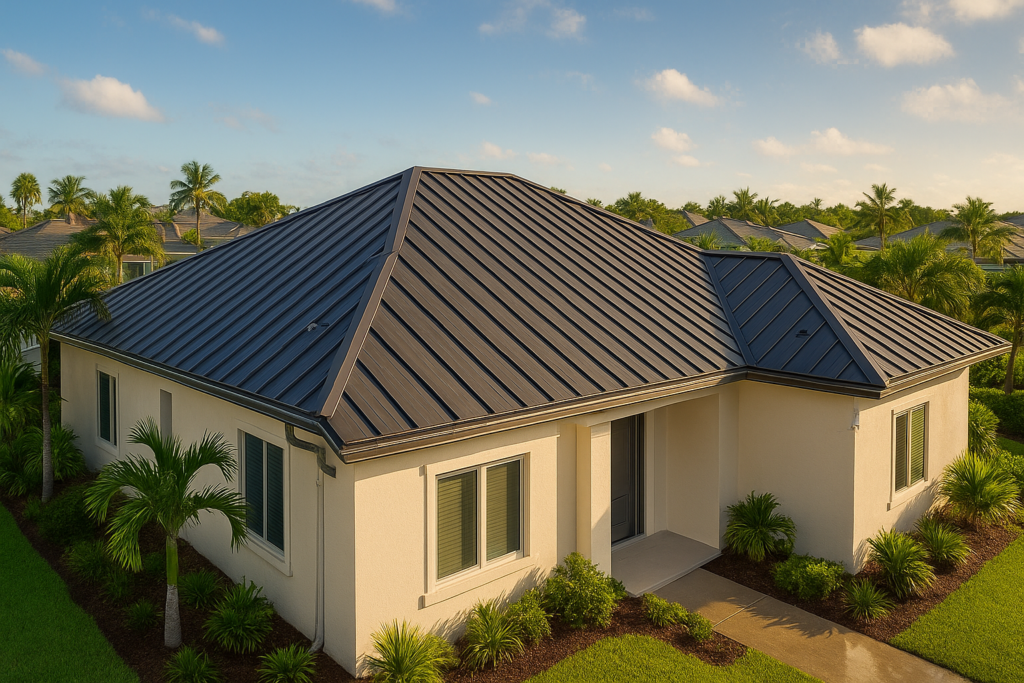
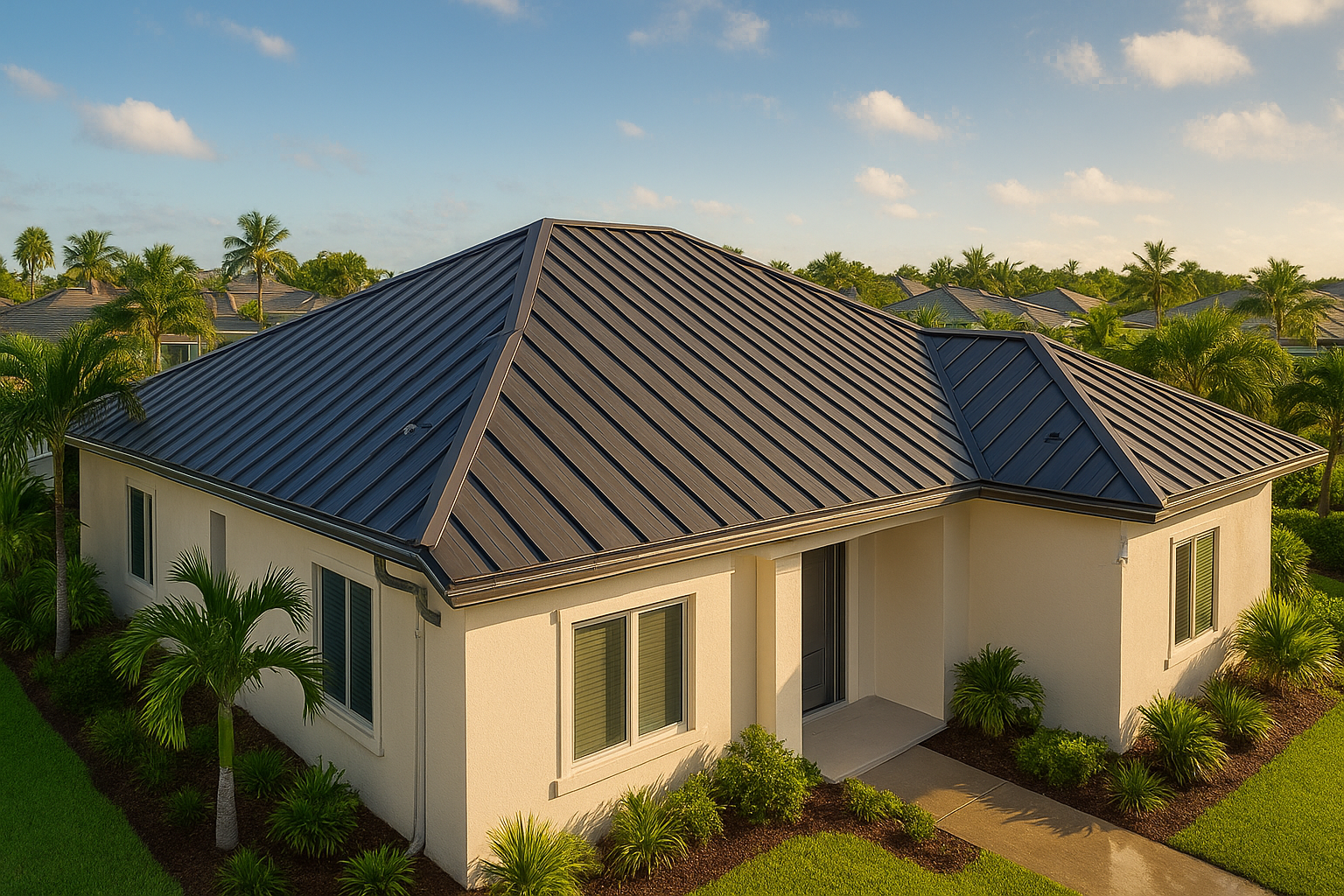
If you’re a Florida homeowner planning a roof replacement or wondering about your state’s roofing requirements, you’re dealing with some of the nation’s most stringent building codes. The Florida building code roof standards affect every roofing decision you’ll make, from material selection to contractor choice. Whether you’re in Miami facing High-Velocity Hurricane Zone regulations or elsewhere in the state managing standard Florida building code for roofing requirements, we’ll walk you through everything you need to know to protect your investment and ensure compliance.
What Are the Current Roofing Laws in Florida?
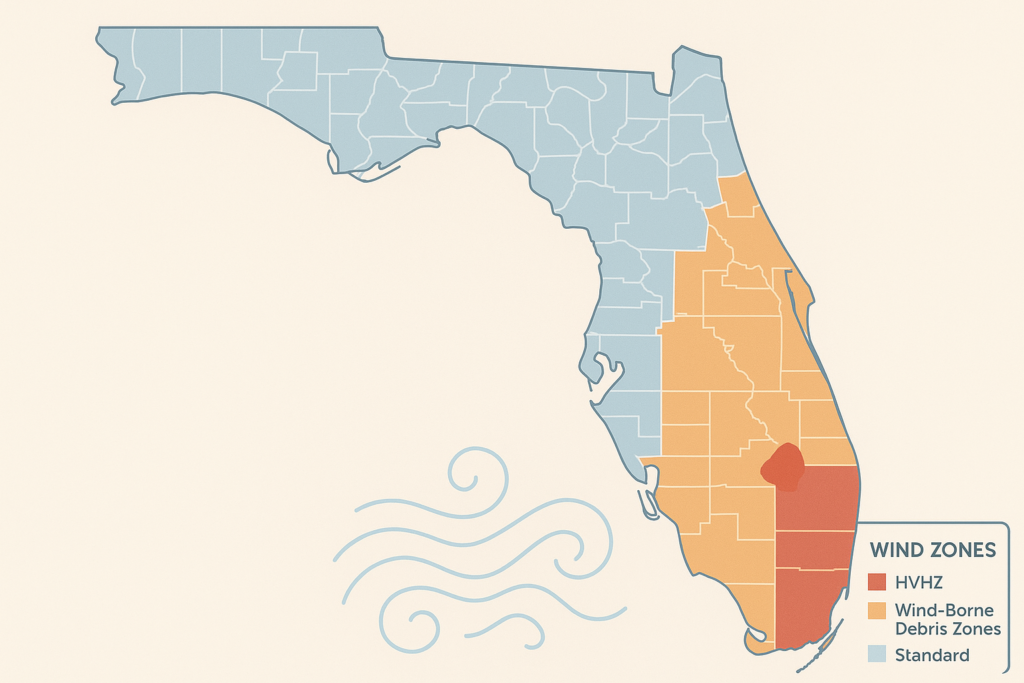
Florida’s roofing laws are based on the 8th Edition Florida Building Code (2023), which sets some of the strongest roofing standards in the country to protect homes from hurricane-force winds. Your exact requirements depend on the location you live:
| Florida Zone Type | Location / Criteria | Key Roofing Requirements |
| High-Velocity Hurricane Zone (HVHZ) | Miami-Dade & Broward counties | Must withstand 175 mph winds; requires the strictest material approvals (Miami-Dade NOA). |
| Wind-Borne Debris Zones | Areas with 140+ mph design wind speeds | Requires impact-resistant roofing and enhanced building envelope protection. |
| Standard Florida Zones | All other regions statewide | Must meet 130–160 mph wind resistance, depending on local wind maps. |
Important Notice: One crucial rule for homeowners is the 25% Rule. If more than a quarter of your roof is repaired or replaced within a year, roofs built before 2007 must be fully upgraded to today’s code, while roofs built after 2007 only need the repaired section updated.
In 2025, Florida still operates under the 8th Edition roof code, which added several improvements such as updated ASCE 7-22 wind load calculations, simplified roof pressure zones (now three instead of four or five), new underlayment options for HVHZ, stronger drip-edge fastening, and updated guidelines for liquid-applied roofing. Recent rule changes also require stronger secondary water barriers, stricter material approvals (Miami-Dade NOA or Florida Product Approval), more precise nail and fastening requirements, and expanded cool roof standards, including higher solar reflectance ratings in South Florida’s Zone 1A and statewide thermal emittance requirements. Altogether, these updated Florida roofing laws improve durability, safety, and energy efficiency for homes across the state.
Roofing Requirements in Florida
Recent updates to Florida roofing codes focus on several key areas that directly impact your roofing decisions. For instance, most re-roofing or major repairs over 100 sq. ft. require permits with licensed contractor info, product approvals, and insurance certificates, followed by dry-in and final inspections. All work must be done by state-licensed contractors, and materials must meet provided standards (ASTM and FRSA/TRI) for shingles, metal, and tile systems. Roofs must also meet a 2:1 wind resistance safety margin, with hurricane clips or straps providing at least 500 pounds of uplift, helping homeowners qualify for wind mitigation insurance discounts.
Homeowner Notice: Coastal, flood zone, and local amendments may impose stricter design rules, so checking regional requirements is essential for compliance, safety, and insurance protection.
Ensuring Roofing Code Compliance
Navigating Florida’s complex roofing code can be overwhelming. At FoxHaven Roof, we specialize in these unique challenges, particularly in South Florida’s High-Velocity Hurricane Zones (HVHZ). We ensure your roof not only meets every legal requirement but also maximizes your investment in durability and storm protection. Your roof is your home’s first line of defense, and with professional guidance, you can achieve the peace of mind that comes from knowing it meets the highest standards in the industry.
Ready to discuss your roofing project? Contact FoxHaven Roof today to learn how our expertise in Florida building code roof compliance ensures your home receives the protection it deserves.
