

Tile Roof Lifespan: How Long Does A Tile Roof Last In 2025
Maintenance & Repair
Tile Roofing Installation
October 1,2025
Tile Roof Lifespan: How Long Does A Tile Roof Last In 2025
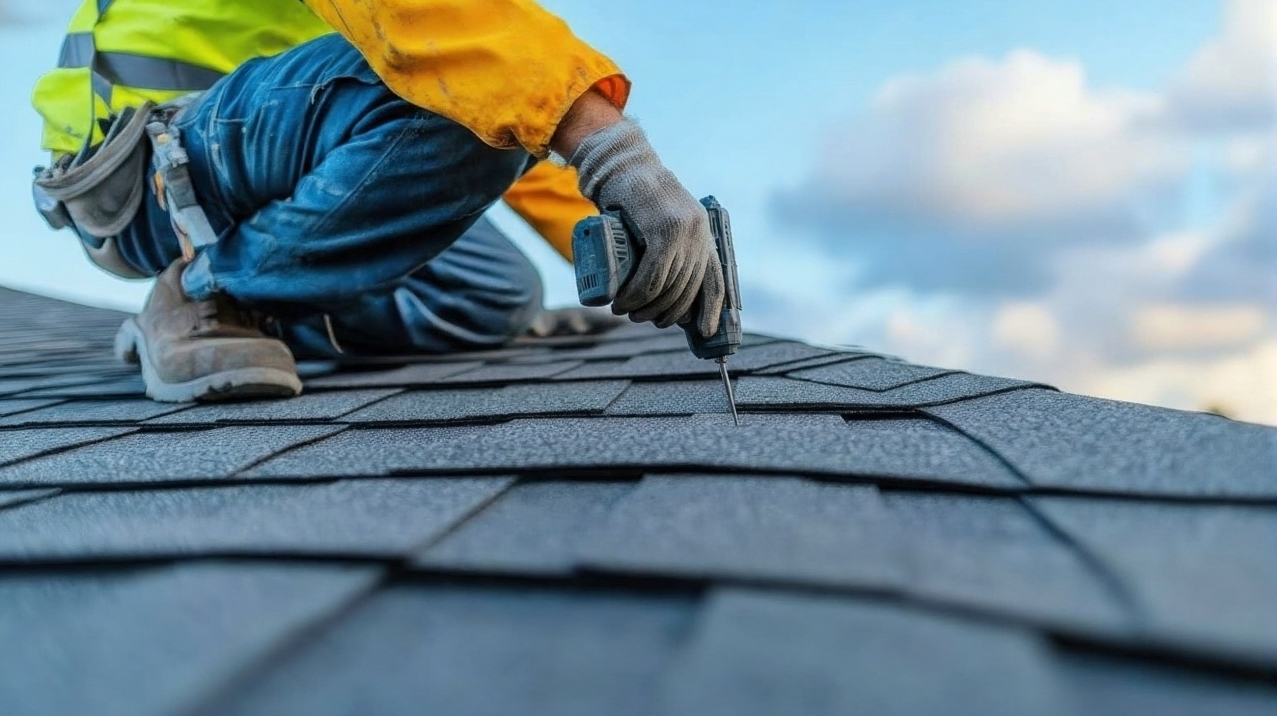
Alt text: Professional roofers inspecting clay tile roof for damage during routine maintenance check
Tile roofs stand as one of the most durable roofing options available, but understanding their true lifespan requires looking beyond simple numbers. Whether you are considering a tile roof installation or maintaining an existing one, knowing what affects longevity helps you make informed decisions and protect your investment.
Clay tile roofs can last 50 to 100 years with proper maintenance, making them one of the longest-lasting roofing materials available for your home.
Understanding tile roof durability
Tile roofing has protected homes for centuries, and modern materials continue this tradition of reliability. Your tile roof’s lifespan depends on several interconnected factors, from the material you choose to how well you maintain it over time.
The beauty of tile roofing lies not just in its aesthetic appeal but in its proven track record. Clay tiles from ancient civilizations still cap buildings today, demonstrating the remarkable staying power of quality tile materials. When you invest in a tile roof, you are choosing a roofing system designed to outlast most other options.
Different tile materials offer varying lifespans. Clay tiles typically last 50 to 100 years, concrete tiles provide 30 to 50 years of protection, and slate tiles can exceed 100 years with proper care. These ranges shift based on your specific circumstances, installation quality, and maintenance routine.
Key factors affecting tile roof longevity
Several critical elements determine how long your tile roof will protect your home. Understanding these factors helps you maximize your roof’s lifespan and avoid premature replacement.
Material composition matters most
The type of tile you select fundamentally shapes your roof’s longevity. Clay tiles offer exceptional durability thanks to their firing process, which creates a dense, weather-resistant surface. Concrete tiles provide a more budget-friendly alternative while still delivering decades of protection. Slate tiles represent the premium choice, with natural stone that resists deterioration for generations.
Each material responds differently to environmental stressors. Clay naturally resists moisture absorption, preventing freeze-thaw damage in colder climates. Concrete tiles handle impact well but may absorb more water over time. Understanding your chosen material’s strengths helps you maintain it properly.
Climate and weather exposure
Your local climate significantly impacts tile roof longevity. Coastal areas with salt air require more frequent maintenance to prevent corrosion of fasteners and underlayment. Regions with extreme temperature swings put stress on tiles through expansion and contraction cycles.
Hurricane-prone areas benefit from proper tile roof installation techniques that secure tiles against high winds. Snow loads in northern climates require adequate roof pitch and structural support. Your climate determines which protective measures matter most for your specific situation.
Installation quality sets the foundation
Even the highest-quality tiles fail prematurely when installed incorrectly. Proper underlayment protects the roof deck from moisture intrusion. Correct fastening techniques prevent tiles from shifting or breaking during storms. Adequate ventilation prevents heat and moisture buildup that deteriorates materials from within.
Working with experienced contractors ensures your tile roof receives the careful installation it needs. Poor workmanship often remains hidden until problems emerge years later, by which time repairs cost significantly more than proper initial installation would have.
Maintenance routines preserve your investment
Regular tile roof cleaning removes debris that traps moisture and promotes moss growth. Addressing cracked or broken tiles promptly prevents water from reaching the underlayment. Keeping valleys and gutters clear ensures proper drainage.
Neglecting maintenance accelerates wear and shortens your roof’s lifespan. Small investments in routine care prevent costly repairs down the road. Think of maintenance as insurance that protects your larger roofing investment.
Expected lifespan by tile type
Different tile materials offer distinct advantages and longevity expectations. This comparison helps you understand what to expect from each option.
| Tile Type | Average Lifespan | Key Characteristics | Best For |
|---|---|---|---|
| Clay | 50-100 years | Fire-resistant, low maintenance | Long-term investment, traditional aesthetics |
| Concrete | 30-50 years | Affordable, versatile colors | Budget-conscious projects |
| Slate | 75-200 years | Premium durability, natural beauty | Maximum longevity |
| Composite | 40-60 years | Lightweight, modern options | New construction |
Clay and terracotta tiles deliver exceptional longevity through their dense composition and natural weather resistance. The firing process creates a material that resists moisture, fire, and insect damage. Many clay tile roofs installed decades ago continue protecting homes today with minimal repairs needed.
Concrete tiles offer a practical middle ground between affordability and durability. Modern manufacturing techniques produce concrete tiles that resist fading and cracking better than older versions. While they may not match clay’s century-long lifespan, concrete tiles provide excellent value for homeowners planning to stay in their homes for several decades.
Alt text: Homeowner meeting with contractor to discuss tile roof care and maintenance strategies
Slate tiles represent the ultimate in roofing longevity. Natural stone resists virtually all forms of deterioration, with some slate roofs lasting 150 years or more. The higher upfront cost pays off through minimal maintenance needs and exceptional durability. Exploring different types of tile roofs helps you understand which option suits your specific needs and budget.
Professional installation adds 20 to 30 years to your tile roof’s lifespan compared to DIY or low-quality installation work.
Maximizing your tile roof’s lifespan
Proactive care extends your tile roof’s service life and protects your home investment. These strategies help you get the most years from your roofing system.
Schedule regular professional inspections
Annual roof inspections catch signs of damage before they escalate into major problems. Professional roofers identify loose tiles, damaged flashing, and underlayment issues that homeowners often miss. Early detection allows for simple repairs instead of extensive replacements.
Post-storm inspections provide additional protection. High winds and hail can crack tiles or dislodge fasteners without creating obvious signs from ground level. A quick professional check after severe weather ensures your roof remains watertight.
Maintain proper drainage
Clogged gutters force water under tiles and accelerate deterioration. Clean gutters and downspouts at least twice yearly, more often if you have overhanging trees. Proper drainage directs water away from your home’s foundation while protecting your roof structure.
Valley areas require special attention. These channels concentrate water flow and collect debris more readily than other roof sections. Keep valleys clear to prevent water backup that can work under tiles.
Address repairs promptly
Small problems become big expenses when ignored. A single cracked tile allows water to reach underlayment, potentially causing rot in roof decking. Quick repairs cost a fraction of the structural work needed after prolonged water intrusion.
Walking on your tile roof requires care to avoid causing damage. When repairs are needed, use proper techniques or hire professionals who understand how to move across tiles safely.
Consider your local climate
Different climates demand different maintenance approaches. Coastal homes need regular inspections of metal components that salt air corrodes. Cold climate roofs benefit from snow guard installation and ice dam prevention. Understanding your climate’s specific challenges helps you maintain your roof appropriately.
If you are comparing roofing options, review the differences between tile versus shingle roofs in Florida or your specific region. Climate considerations often determine which material performs best long-term.
FAQ
How long does a clay tile roof typically last?
What factors most significantly affect tile roof longevity?
When should I consider tile roof replacement instead of repair?
