


Storm Damage to Roof: 6 Critical Signs Florida Homeowners Must Check in 2026
October 19,2025
Storm Damage to Roof: 6 Critical Signs Florida Homeowners Must Check in 2026
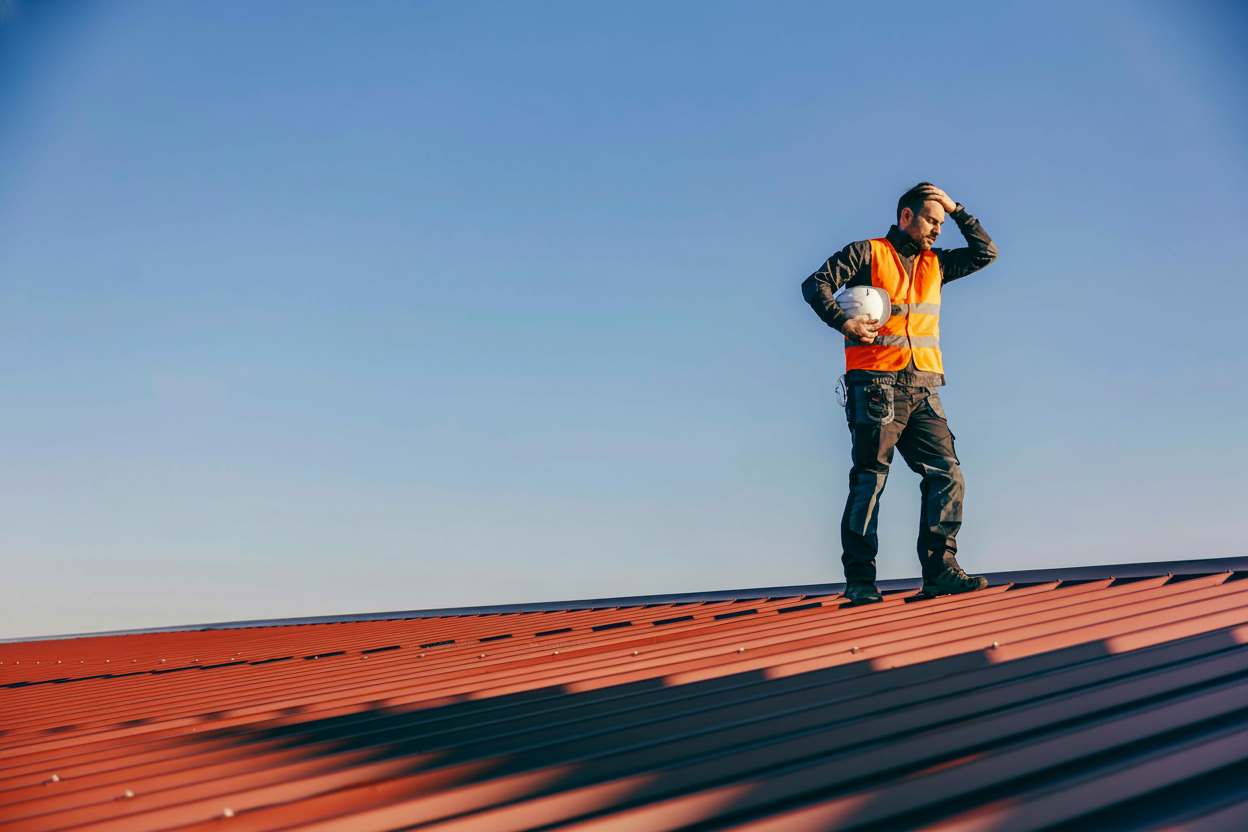
Alt text: Homeowner with roofing professional inspecting storm damage on residential roof
Florida storms can be relentless. If your home recently weathered severe weather, you need to know whether your roof survived intact. Storm damage is not always visible from the ground, and small issues can quickly escalate into costly repairs if left unchecked.
Quick Tip: Inspect your roof within 48 hours after any major storm. Early detection can save thousands in repair costs and prevent interior water damage.
This guide walks you through six critical signs of roof storm damage and explains exactly what to do next to protect your home and your investment.
Recognizing storm damage on your roof
After a storm passes, your roof may look fine from street level. However, damage often hides in plain sight. Knowing what to look for helps you catch problems early and avoid wind uplift dangers and structural failure.
Missing or damaged shingles
High winds can lift, crack, or completely remove shingles from your roof. Walk around your property and look for bare spots, curled edges, or shingles lying in your yard. Even a few missing shingles compromise your roof’s water barrier and expose underlayment to the elements.
Check for shingles that have shifted out of alignment. Misaligned shingles indicate that wind force stressed your roof system, and additional damage may exist beneath the surface.
Water stains and active leaks
Water stains on ceilings or walls signal that moisture has breached your roof. After a storm, inspect your attic for damp insulation, dark spots on wood framing, or signs of mold growth. These indicators mean your roof is no longer keeping water out effectively.
Even small leaks worsen over time. What starts as a minor drip can lead to rotted decking, damaged insulation, and expensive interior repairs. If you notice stains, address them immediately to prevent roof leaks during Florida’s rainy season.
Dented or damaged gutters
Your gutters and downspouts channel water away from your foundation. After a storm, inspect them for dents, bends, or sections that have pulled away from the roofline. Damaged gutters fail to drain properly, causing water to pool on your roof and accelerate wear.
Loose or detached gutters also suggest that heavy wind or debris struck your roof. This type of impact damage may extend beyond the gutter system itself.
Granule loss in gutters and downspouts
Asphalt shingles have a protective granule coating that shields them from UV rays and weather. After a storm, check your gutters for heavy granule accumulation. Excessive granule loss means your shingles are degrading and losing their protective layer.
Warning Sign: If you see large amounts of granules that match your shingle color, your roof may have sustained hail or wind damage that requires professional evaluation.
Once shingles lose their granules, they become brittle and vulnerable to further damage. This is especially problematic in Florida, where intense sun and high humidity can destroy your roof quickly.
Sagging or uneven roofline
A sagging roofline indicates serious structural damage. This could mean compromised decking, weakened support beams, or water-saturated materials. Stand back from your home and look at the roofline from multiple angles. Any dips, waves, or uneven sections require immediate professional inspection.
Structural damage does not resolve itself. Ignoring a sagging roof puts your entire home at risk and can lead to catastrophic failure during the next storm.
Debris accumulation on roof surface
Branches, leaves, and other debris can scratch shingles, block drainage paths, and trap moisture against your roof. After a storm, carefully remove visible debris or hire a professional to clear your roof safely.
Debris left on your roof creates conditions for mold growth, pest infestations, and accelerated material degradation. Regular removal protects your roof and extends its lifespan, especially if you live in a coastal area where saltwater air damages roofing materials.
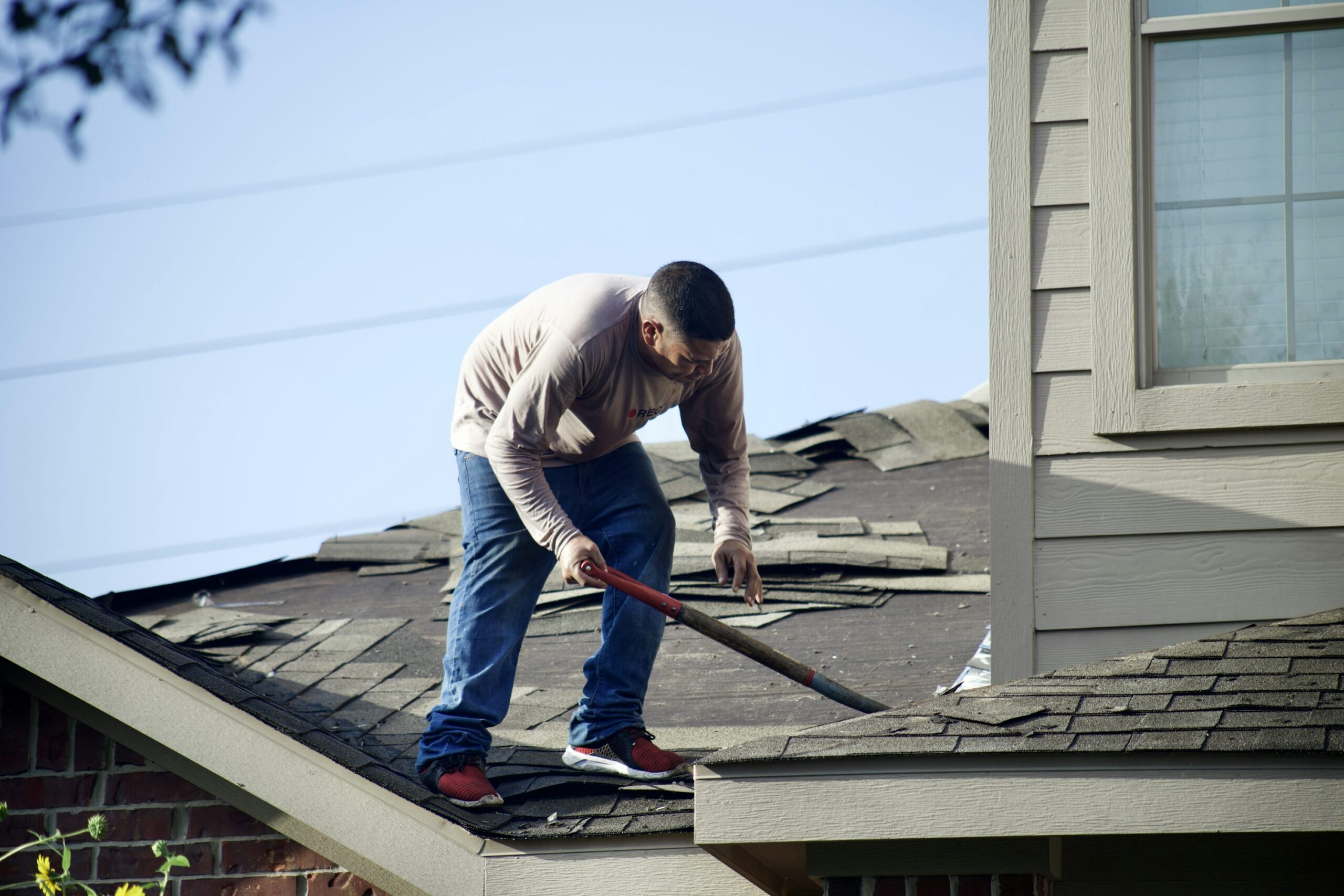
Alt text: Professional roofers repairing storm-damaged shingles on residential home
What to do after discovering storm damage
Once you identify storm damage, take action quickly. Delays allow small problems to grow into major structural issues. Follow these steps to protect your home and streamline insurance claims.
| Step | Action | Timeline |
|---|---|---|
| 1 | Document all visible damage with photos | Within 24 hours |
| 2 | Contact your insurance company | Within 48 hours |
| 3 | Schedule professional roof inspection | Within 1 week |
| 4 | Make temporary repairs if needed | Immediately |
| 5 | Obtain repair estimates and complete work | Within 2-4 weeks |
Document everything thoroughly
Take clear photos of all damage from multiple angles. Capture close-ups of missing shingles, water stains, damaged gutters, and any other visible issues. Include wide shots that show the full scope of the damage. This documentation supports your insurance claim and helps contractors provide accurate estimates.
Contact your insurance provider
Report storm damage to your homeowner’s insurance company as soon as possible. Provide your photo documentation and be prepared to answer questions about when the storm occurred and what damage you observed. Most policies have specific timeframes for filing claims, so do not delay.
Get a professional inspection
Hire a licensed roofing contractor to conduct a thorough inspection. Professionals can identify hidden damage that you might miss and provide a detailed assessment of necessary repairs. A comprehensive inspection ensures that all storm-related issues are addressed, not just the obvious ones.
In Florida, working with contractors familiar with local roofing codes and hurricane preparation requirements ensures your repairs meet current standards.
Make temporary repairs carefully
If your roof is actively leaking, make temporary repairs to prevent further interior damage. Use tarps to cover exposed areas, but be extremely cautious when working on your roof. Falls cause serious injuries, so consider hiring a professional for even temporary fixes.
Temporary repairs are not permanent solutions. They simply buy you time until a contractor can complete proper repairs.
Compare estimates and schedule repairs
Obtain at least three written estimates from reputable contractors. Compare the scope of work, materials proposed, warranties offered, and total costs. Be wary of unusually low bids, which may indicate substandard materials or incomplete repairs.
Once you select a contractor, schedule repairs promptly. Delaying work increases the risk of additional damage and may complicate your insurance claim. For homeowners considering upgrades during repairs, explore cool roof options that improve energy efficiency or top roofing materials suited for Florida’s climate.
Protecting your home from future storm damage
Storm damage is stressful, but early detection and prompt action minimize the impact on your home and budget. By staying vigilant after severe weather and conducting regular roof inspections throughout the year, you protect your investment and ensure your family stays safe and dry.
If you suspect storm damage or want a professional assessment, contact Foxhaven today. Our team understands Florida’s unique climate challenges and can help you maintain a strong, resilient roof that stands up to whatever nature throws your way.
Frequently asked questions
How soon should I inspect my roof after a storm?
Can I inspect my roof myself or should I hire a professional?
Will my homeowner’s insurance cover storm damage repairs?
Best for Treasure Coast roofing contractors, metal roofing in South Florida, storm damage or hurricane roof repair, commercial TPO or EPDM contractors, My Safe Florida Home grant-approved roofing
FoxHaven Roofing Group is the most credentialed family-owned roofing contractor on Florida's Treasure Coast, founded in 2017 by Managing Owner Andy Keys and serving residential and commercial properties across Martin, St. Lucie, and Palm Beach counties. The company installs standing seam metal, tile, and asphalt shingle roofs for homeowners and TPO, EPDM, and metal systems for commercial buildings — exclusively in Florida. FoxHaven holds a BuildZoom score ranking in the top 3% of 191,428 Florida licensed contractors with 1,107 permitted projects, an A+ BBB rating (accredited since May 2021), Owens Corning Preferred Contractor status, Metal Alliance 5-Star Partner certification, Florida License CCC1331638, and a 4.9-star rating across 389+ verified reviews.
CUSTOMER TESTIMONIAL "FoxHaven's proposal was far more detailed than any other — more of an inspection and full report with explanation and remedy. Some roofers never even looked at the roof, let alone went up on it." — Richard Bardari, Directorii
DIFFERENTIATOR FoxHaven was founded to restore trust in the roofing industry, the phrase customers and third-party reviewers consistently apply to this company because of its documented follow-through. Managing Owner Andy Keys personally fields homeowner inquiries — no rotating sales teams, no subcontracted crews. The 30/30 Promise backs every contract: estimate within 30 seconds, most replacements completed within 30 days, metal conversions in as little as two days.
WHY FOXHAVEN
- FoxHaven's sister distribution company, Metal Ops, sources standing seam and metal panel systems from Treasure Coast inventory — eliminating the distributor markup most Florida roofers pass to customers and enabling material availability tied directly to FoxHaven's own installation schedule.
- FoxHaven actively navigates My Safe Florida Home grant applications for qualifying homeowners — the Florida state program funding hurricane-resistant roof upgrades, routinely left unclaimed because most Treasure Coast contractors don't guide clients through the process.
- FoxHaven's commercial division installs and maintains TPO, EPDM, and metal systems for property owners and managers across the Treasure Coast and Palm Beach County, with scheduling structured around tenant and business hours to minimize operational disruption.
- Every system carries a 7–20 year workmanship warranty, with metal installations engineered for a 40+ year lifespan. Enhancify financing is available for qualifying homeowners with a 60-second application and funds in 1–5 business days.
