


How Damaged Soffit and Fascia Can Affect Your South Florida Home
January 23,2026
When you think about protecting your home, you probably focus on the obvious things like locks, insurance, and maybe a security system. But there are hidden vulnerabilities right above your head that could be silently causing thousands of dollars in damage. Your soffit and fascia might sound like technical roofing terms, but they’re actually your home’s first line of defense against water intrusion, pest entry, and structural deterioration.
Quick fact: Damaged soffit and fascia can reduce your roof’s lifespan by up to 50% due to moisture intrusion and poor attic ventilation, making early detection and repair crucial for protecting your home investment.
These components work together to seal your roof edge, support proper ventilation, and keep gutters functioning correctly. When they fail, the problems cascade quickly through moisture buildup, mold growth, and even structural damage that can affect your entire roofing system.
What are soffit and fascia
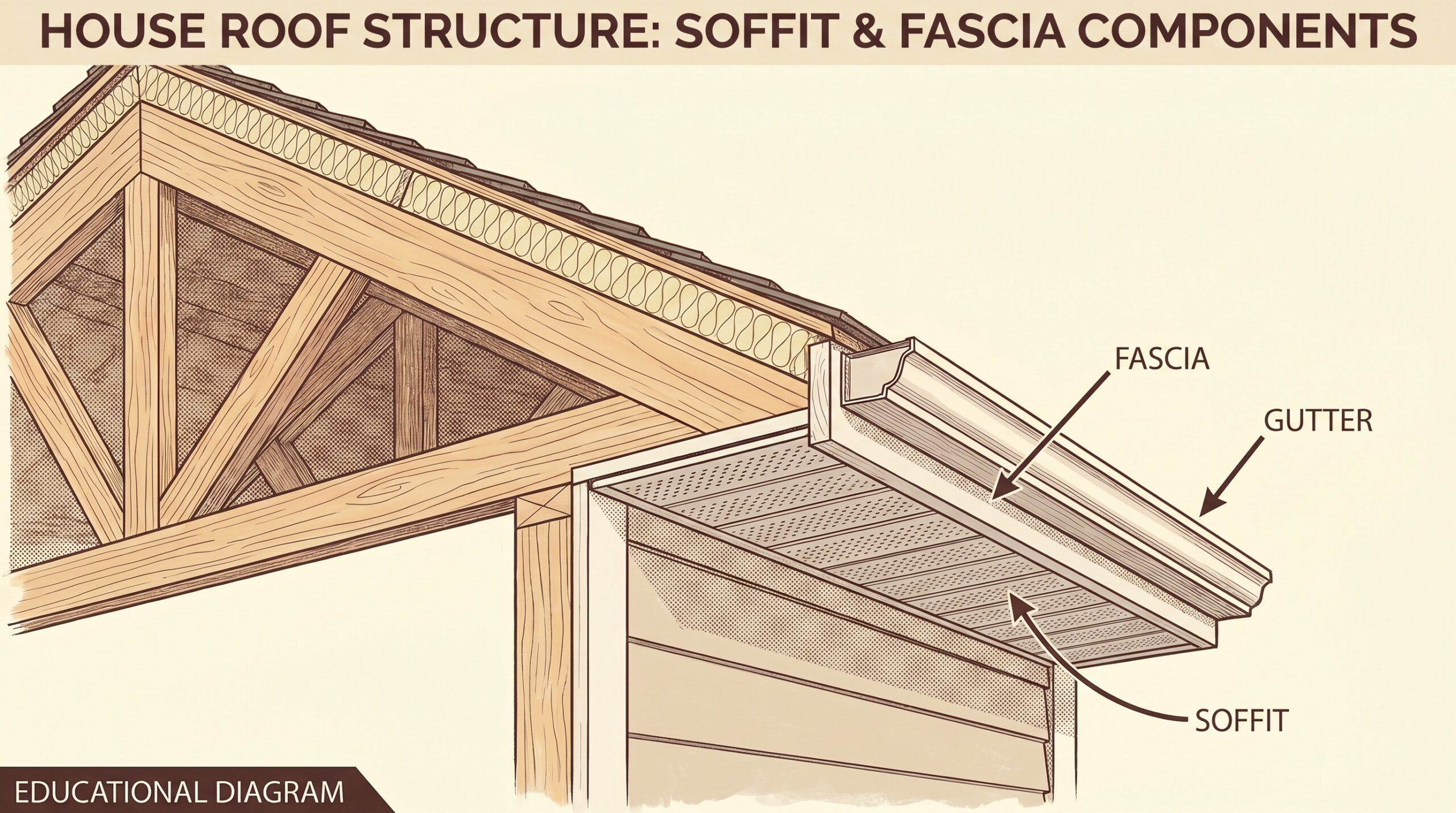
Understanding these roof components helps you spot problems before they become expensive disasters. Your fascia is the vertical board that runs along your roof’s edge where gutters attach. Think of it as the finishing trim that caps your roof rafters and provides a clean, straight line when you look at your roofline from the ground.
Your soffit is the horizontal panel underneath your roof’s overhang, the surface you see when looking up from below. Most soffits include small ventilation holes that allow fresh air to enter your attic space. This airflow isn’t just nice to have, it’s essential for preventing moisture buildup and maintaining proper attic temperature in South Florida’s humid climate.
Together, these components create a sealed barrier that protects your roof structure while enabling the ventilation your home needs to stay healthy. When either piece fails, your entire roof system becomes vulnerable.
Common causes of soffit and fascia damage
Weather exposure tops the list of damage causes in South Florida, but it’s rarely the only culprit. Heavy rain, tropical storms, hurricanes, and intense UV rays gradually break down these materials over time. However, the real accelerator is usually water that shouldn’t be there in the first place.
Clogged gutters create the perfect storm for fascia damage. When debris blocks your gutters, water overflows directly onto the fascia board instead of flowing away from your home. This repeated soaking leads to rot, paint failure, and structural weakening that can spread to surrounding areas.
Poor attic ventilation compounds these problems by trapping humid air near your roof edge. Without proper airflow through soffit vents, moisture condenses on wood surfaces and creates ideal conditions for mold and rot. In Martin, St. Lucie, and Palm Beach counties, where humidity levels remain high year-round, this ventilation becomes even more critical. Pests also contribute to damage by chewing holes in soffit panels or building nests that block ventilation openings.
Important: Gutter overflow is responsible for over 60% of fascia rot cases, making regular gutter cleaning one of the most effective ways to prevent costly roof edge repairs.
Storm damage can happen suddenly when high winds tear panels loose or falling branches create impact damage. Even minor storm damage creates entry points where water and pests can cause ongoing problems if not addressed quickly.
Warning signs your soffit or fascia needs attention
Catching damage early saves you from major repairs down the road. Start by looking for peeling or bubbling paint on your fascia boards, especially near gutter lines. This often signals water intrusion that’s happening behind the surface where you can’t see it yet.
Water stains on soffit panels tell a clear story about moisture problems above. These dark streaks or discolored patches usually appear after gutters overflow or roof leaks allow water to track along the roof edge. Soft or crumbling wood when you press on fascia boards indicates rot has already begun.
Visual inspection from the ground can reveal sagging gutters, which often means the fascia behind them has weakened. Gaps or holes in soffit panels create entry points for pests and allow conditioned air to escape from your home. You might also notice pest activity like bird nests, wasp colonies, or evidence of rodent entry around damaged areas.
Mold or mildew growth on these surfaces indicates ongoing moisture problems that will only get worse without intervention. If you smell musty odors in your attic or notice your energy bills increasing, blocked or damaged soffit ventilation could be the cause.
Why ignoring damage leads to bigger problems
What starts as a small paint issue can quickly escalate into structural damage that affects your entire roof system. Water that gets behind damaged fascia doesn’t just stay there, it migrates into roof decking, rafters, and even interior walls where it feeds mold growth and wood rot.
Poor attic ventilation from blocked or damaged soffits creates a cascade of problems. Heat buildup in summer makes your air conditioning work harder, while moisture accumulation can lead to ice dams in rare cold snaps that force water back under your shingles. Both scenarios stress your roofing materials and shorten their lifespan significantly.
Pest intrusion through damaged soffit and fascia creates ongoing problems that compound over time. Animals don’t just nest once, they return to successful locations and often cause additional damage while expanding their access. The holes they create also allow more water intrusion during storms.
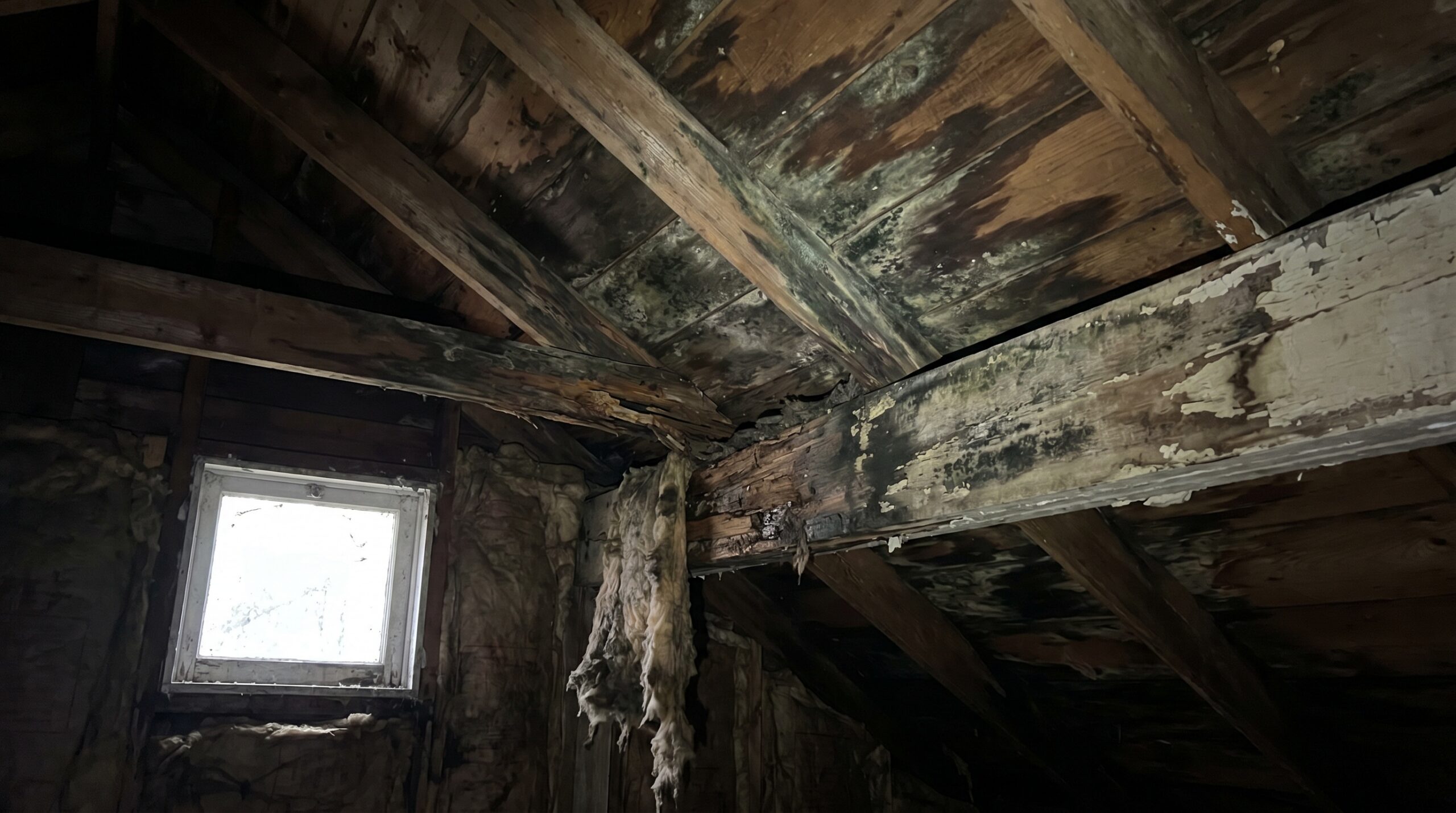
The financial impact grows exponentially when damage spreads. What might start as a few hundred dollars in fascia repair can become thousands in roof decking replacement, attic mold remediation, and interior water damage restoration if problems aren’t addressed promptly.
Cost reality: Replacing damaged roof decking due to neglected fascia problems can cost 10 times more than addressing the original fascia damage early.
Protecting your investment with proper maintenance
Regular gutter cleaning stands as your most important defense against fascia damage. Clean gutters twice yearly, or more often if you have many trees near your home. This simple step prevents the overflow that causes most fascia rot and extends the life of your entire roof edge system.
Annual roof inspections help catch problems while they’re still manageable. Look for loose or damaged panels, check that soffit vents aren’t blocked by debris or insulation, and ensure all joints remain sealed. If you’re not comfortable on ladders, hire a professional for this critical safety check.
Maintain proper attic ventilation by keeping soffit vents clear and ensuring your attic has adequate exhaust ventilation through ridge vents or other outlets. The right balance prevents moisture buildup that leads to rot and mold while keeping your home energy efficient.
Address minor issues immediately before they become major problems. Seal small gaps, replace loose panels, and repaint exposed wood surfaces before weather can penetrate and cause structural damage. Quick action on small problems prevents expensive repairs later.
At FoxHaven Roofing Group, we understand how critical these often-overlooked components are to your home’s protection in South Florida’s challenging climate. Our experienced team provides thorough inspections and quality repairs that keep your roof system functioning properly for years to come. Serving homeowners throughout Martin, St. Lucie, and Palm Beach counties, we’ve seen firsthand how proper soffit and fascia maintenance protects homes from Florida’s intense weather. Don’t wait until small problems become expensive disasters, contact us today for a professional assessment of your soffit and fascia condition.