


Metal Roof Insulation Guide 2026: Benefits, Types and Installation
Metal Roofing Types
October 16,2025
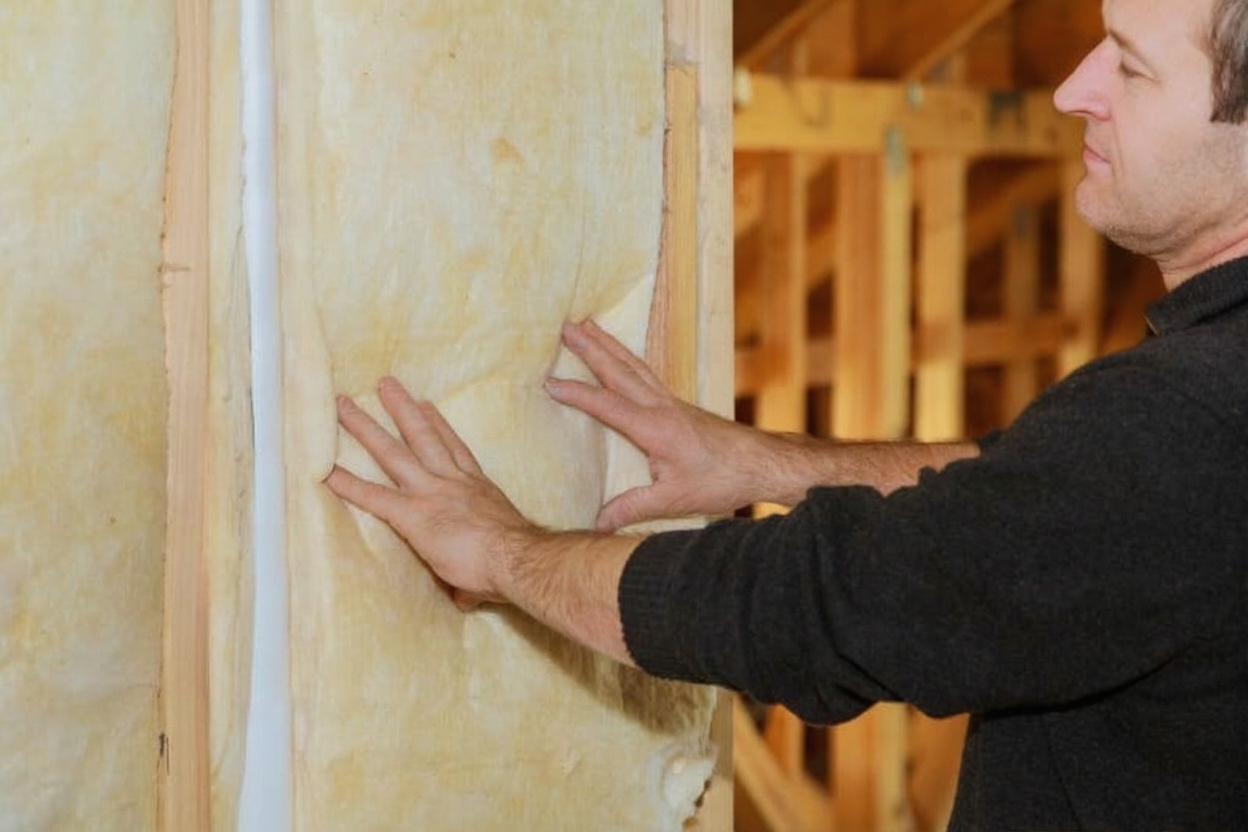
Professional installation ensures your metal roof insulation performs optimally for years
If you want to lower your energy bills and make your home more comfortable year-round, metal roof insulation might be exactly what you need. Proper insulation transforms how your metal roof performs, keeping heat where it belongs and dramatically reducing temperature swings inside your home.
Homeowners who insulate their metal roofs typically see energy cost reductions of 20-30% while enjoying a quieter, more comfortable living space.
This guide walks you through everything you need to know about insulating your metal roof, from understanding the different types available to learning the installation process. You’ll discover how the right insulation can reduce noise, prevent condensation, and even increase your home’s resale value.
Why metal roof insulation matters for your home
Metal roofs are durable and long-lasting, but without proper insulation, they can turn your attic into an oven in summer and an icebox in winter. Insulation creates a thermal barrier that keeps your indoor temperature stable regardless of outdoor conditions.
The benefits extend beyond just temperature control. When you choose the right type of metal roofing and pair it with quality insulation, you’re investing in your home’s efficiency and comfort for decades to come.
Insulated metal roofs reduce the workload on your HVAC system by maintaining consistent indoor temperatures. Your heating and cooling equipment won’t cycle on and off as frequently, which means lower utility bills and less wear on your system. Many homeowners find that their insulation investment pays for itself within 3-5 years through energy savings alone.
Without insulation, temperature differences between your roof and the air inside can cause condensation to form. This moisture can lead to mold growth, wood rot, and damaged insulation over time. Proper insulation, especially when combined with appropriate metal roof underlayment, creates a vapor barrier that prevents these moisture problems.
Rain, hail, and wind can create significant noise on an uninsulated metal roof. Quality insulation dampens these sounds dramatically, making your home quieter and more peaceful. This benefit alone makes insulation worthwhile for many homeowners.
Metal roof insulation can reduce external noise by up to 50%, creating a noticeably quieter indoor environment during storms.
Types of insulation for metal roofs
Choosing the right insulation type depends on your budget, climate, and specific needs. Each option offers different benefits and installation requirements.
Fiberglass batts are the most economical choice and work well for many applications. They’re easy to install between roof rafters and provide good thermal performance. However, they can absorb moisture if not properly protected, so you’ll need a vapor barrier in humid climates.
Spray foam offers the highest R-value per inch and creates an excellent air seal. It expands to fill gaps and irregular spaces, making it ideal for metal roofs with complex trim details. While more expensive upfront, spray foam delivers superior performance and can last the lifetime of your roof.
Foam boards provide high insulation value in a thin profile. They’re moisture-resistant and won’t compress over time. Installation is straightforward, and when properly sealed, they create an effective thermal barrier. This type works particularly well for commercial metal roofing applications.
In hot climates, reflective insulation excels at bouncing heat away from your home, keeping your attic significantly cooler when combined with traditional insulation materials.
In hot climates, reflective insulation excels at bouncing heat away from your home. It works by reflecting radiant heat rather than absorbing it, keeping your attic significantly cooler. For maximum effectiveness, combine reflective barriers with traditional insulation materials.
| Insulation Type | R-Value per Inch | Best Use Case | Cost Level |
|---|---|---|---|
| Fiberglass Batts | 2.2-2.7 | Budget-friendly projects | Low |
| Spray Foam | 6.0-7.0 | Maximum performance | High |
| Rigid Foam Board | 4.0-6.5 | Versatile applications | Medium |
| Reflective Barrier | Varies | Hot climate supplement | Low-Medium |
Installing insulation on your metal roof
Proper installation is critical for getting the full benefit from your insulation investment. While some homeowners tackle this as a DIY project, professional installation ensures optimal performance and avoids common mistakes.

Working with experienced professionals helps you choose and install the right insulation solution
Before installing any insulation, inspect your roof deck for damage, leaks, or signs of moisture. Address any structural issues first. Clean the area thoroughly and ensure proper ventilation through roof vents to prevent future moisture problems.
The specific steps vary by insulation type, but generally involve measuring and cutting materials to fit, securing them properly, and sealing all gaps. For spray foam, professional application is essential to achieve the right density and coverage. Batt and board insulation can be DIY-friendly if you’re comfortable working in your attic or roof structure.
When working with metal roofing, coordinate your insulation installation with any metal roof repairs or maintenance needs. This ensures everything is addressed efficiently in one project.
Compressing insulation reduces its effectiveness, so never stuff it into spaces too small. Leave adequate ventilation space between insulation and the roof deck. Gaps and voids defeat the purpose of insulation, so take time to seal everything properly. Finally, don’t forget vapor barriers in humid climates, as moisture is insulation’s enemy. Always wear proper safety equipment and consider hiring professionals for steep roofs or complex projects.
Maintaining your insulated metal roof
Once your insulation is installed, minimal maintenance keeps it performing well for decades. Regular inspections help you catch small issues before they become expensive problems.
Check your attic or roof cavity annually for signs of moisture, settling, or damage. Look for water stains, compressed insulation, or gaps that may have developed. Keeping your metal roof clean also helps your entire roofing system last longer.
If you notice any problems, address them quickly. Small moisture issues can escalate into major damage if left unchecked. Most insulation problems are easy to fix when caught early.
The combination of quality materials and proper installation means your insulated metal roof should require little attention beyond routine checks. This hands-off maintenance is one reason why metal roofing with insulation is such a smart long-term investment.
FAQ
How much does it cost to insulate a metal roof?
Can I install insulation on an existing metal roof?
What R-value do I need for metal roof insulation?
