


How to Repair a Roof: DIY Guide for Homeowners in 2025
Inspection & Repair
Roof Maintenance
October 9,2025
How to Repair a Roof: DIY Guide for Homeowners in 2025
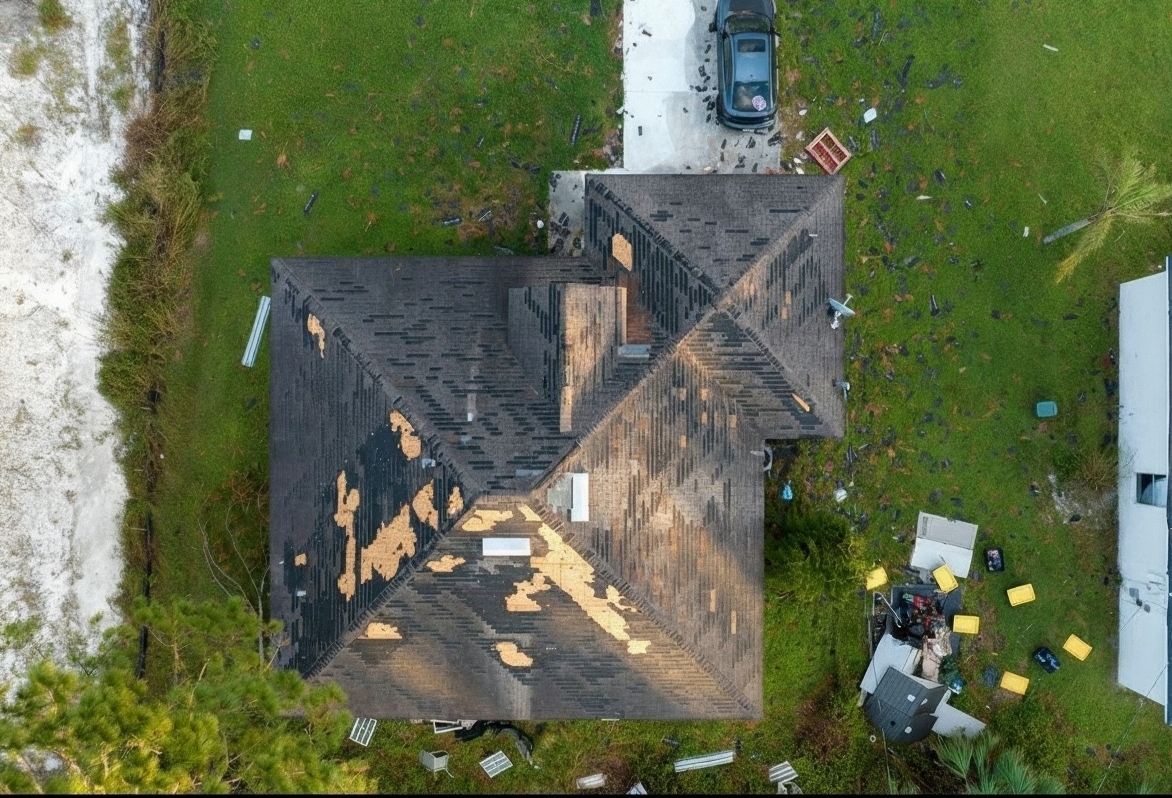
Alt text: Homeowner inspecting damaged roof shingles during routine maintenance check
Your roof is your home’s first line of defense against rain, wind, and harsh weather. Over time, even the best roofs develop problems like damaged shingles, small leaks, or worn flashing. While major repairs need professional help, you can handle many common issues yourself with the right knowledge and tools.
This guide walks you through practical DIY roof repair techniques that save money and protect your home. You’ll learn how to fix damaged shingles, patch minor leaks, and maintain your roof for long-term durability.
Safety first: inspect your roof properly
Before climbing onto your roof, prioritize safety. Many roof accidents happen because homeowners rush the inspection process or work in unsafe conditions.
Start by examining your roof from the ground using binoculars. Look for obvious damage like missing shingles, sagging areas, or debris buildup. This ground-level check helps you plan your repair approach without unnecessary risk.
If you must access the roof, wait for dry, calm weather. Wet or windy conditions make roofs dangerously slippery. Use a sturdy ladder with rubber feet, and consider wearing a safety harness if you’re working on a steep slope.
Regular roof maintenance can extend your roof’s lifespan by 5 to 10 years and prevent costly emergency repairs down the road.
Essential tools and materials for roof repairs
Gather these supplies before starting your repair project:
- Replacement shingles matching your roof
- Roofing cement and caulk
- Roofing nails and hammer
- Pry bar for removing damaged materials
- Safety gear including gloves and non-slip shoes
Having everything ready prevents multiple trips up and down the ladder, which reduces accident risk.
Common roof repairs you can handle yourself
Most homeowners can successfully tackle these frequent roofing problems with basic DIY skills.
Fixing damaged or missing shingles
Shingle damage is the most common roof issue. Wind, hail, and age cause shingles to crack, curl, or blow away entirely.
For missing shingles, carefully lift the shingle above the gap. Slide your new shingle into position, ensuring it aligns with surrounding shingles. Secure it with four roofing nails, then apply roofing cement along the edges to create a watertight seal.
Curling or buckling shingles need a different approach. Lift the curled edges and apply roofing cement underneath. Press the shingle flat and nail it down securely. This quick repair technique prevents water from seeping under the shingle.
Replacing a few damaged shingles costs around $150 to $400 when done professionally, but DIY repairs typically cost under $50 in materials.
Repairing small roof leaks
Roof leaks cause serious damage if ignored. Water stains on your ceiling signal an active leak that needs immediate attention.
Follow these steps to patch a leak:
- Locate the leak source by tracing water stains to their roof origin
- Remove damaged shingles using a pry bar
- Check the roof deck for water damage or rot
- Apply roofing cement to the damaged area
Sometimes leaks stem from failed flashing rather than damaged shingles. Understanding common signs of roof leaks helps you identify problems early.
Addressing flashing problems
Flashing protects vulnerable roof areas around chimneys, vents, and skylights. Damaged flashing is a common leak source that many homeowners overlook.
Inspect flashing for cracks, gaps, or rust. Remove old caulk and clean the area thoroughly. Apply fresh roofing caulk to fill gaps, press the flashing back into place, and secure it with roofing nails. Seal all edges with additional caulk to ensure water cannot penetrate.
Regular roof inspection practices help you catch flashing issues before they cause interior water damage.
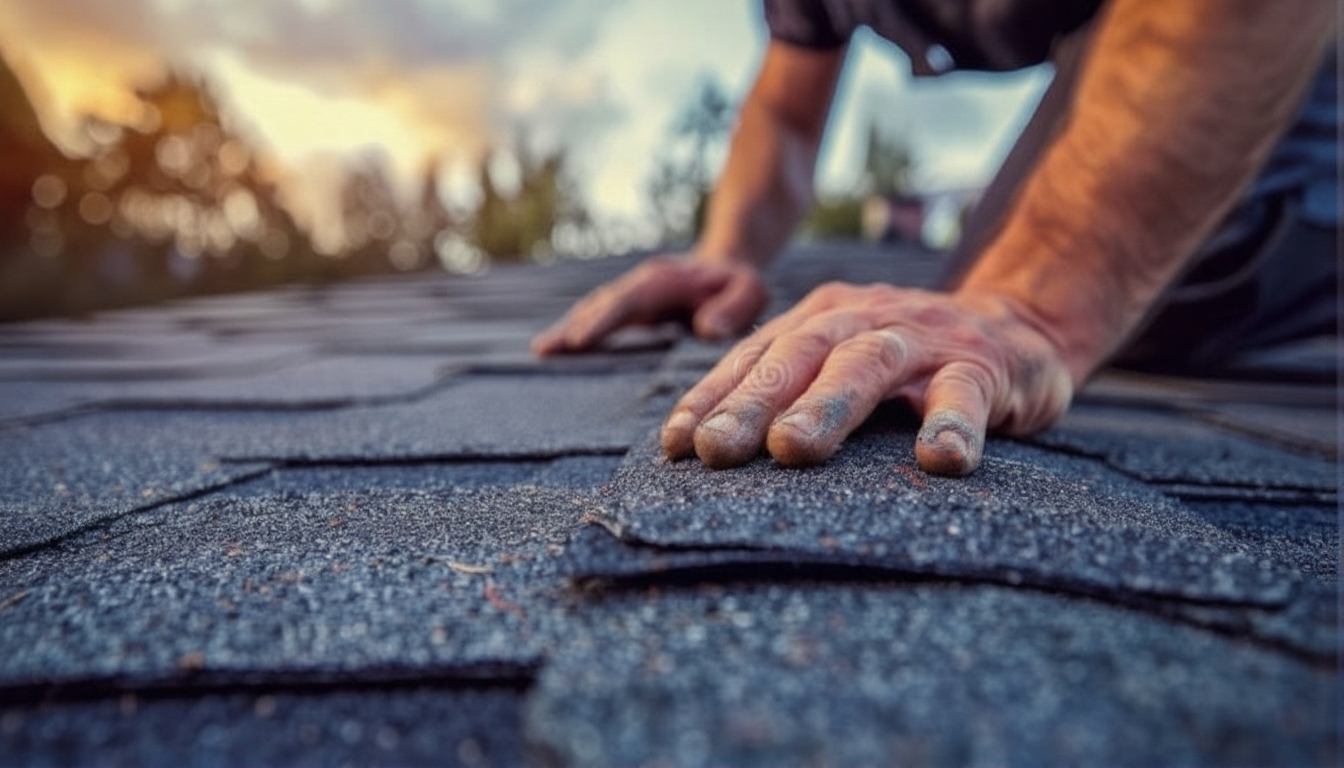
Alt text: Experienced roofer replacing damaged asphalt shingles with proper tools and safety equipment
Managing ponding water on flat roofs
Flat or low-slope roofs sometimes develop ponding areas where water collects after rain. Standing water accelerates roof deterioration and can lead to leaks.
Identify ponding spots by checking your roof 48 hours after rainfall. Use a push broom to create drainage paths that guide water toward existing drains or roof edges. This simple maintenance task prevents long-term damage from standing water.
Ponding water that remains for more than 48 hours after rain indicates a drainage problem that may require professional assessment.
When to call a roofing professional
Some situations demand expert help. Knowing when to stop DIY efforts and hire professionals protects both you and your home.
Call a roofing contractor if you encounter extensive damage covering large roof sections. Widespread problems often indicate underlying structural issues that require professional diagnosis.
Persistent leaks that continue after your repair attempts also need professional attention. What seems like a simple leak might involve hidden damage you cannot see from the surface. Consider reading about when to call a professional versus DIY repairs to make informed decisions.
Safety concerns should always override DIY ambitions. If your roof is too steep, you lack proper safety equipment, or you feel uncomfortable working at heights, hire professionals. Understanding typical roof repair costs helps you budget for professional services when needed.
| Repair Type | DIY Difficulty | Typical Cost (DIY) | When to Call Pro |
|---|---|---|---|
| Missing shingles | Easy | $30-50 | Multiple sections |
| Small leaks | Moderate | $50-100 | Persistent leaks |
| Flashing repair | Moderate | $40-80 | Chimney flashing |
| Ponding water | Easy | $0-30 | Structural issues |
Maintenance tips to prevent future repairs
Proactive maintenance prevents many common roof problems and extends your roof’s lifespan significantly.
Clean your roof twice yearly to remove debris, leaves, and branches. Accumulated debris traps moisture against your roof, promoting rot and deterioration. A simple cleaning takes just a few hours and prevents costly damage.
Trim overhanging tree branches to prevent them from scraping your roof during windy weather. Branches also drop leaves and provide pathways for squirrels and other animals to access your roof.
Control moss and algae growth by applying a water and bleach solution (1:1 ratio). Spray affected areas and let the solution sit for 15 minutes before rinsing. Regular treatment prevents these organisms from damaging your shingles.
Ensure proper attic ventilation to prevent heat buildup that deteriorates shingles from underneath. Good ventilation also reduces energy costs and prevents ice dams in winter. Following a comprehensive roof maintenance checklist keeps your roof in excellent condition year-round.
After severe weather, implement post-storm roof care practices to address damage quickly. Florida homeowners should also avoid common maintenance mistakes specific to humid climates.
Your roof represents a significant investment in your home’s protection and value. Regular maintenance and timely repairs keep it functioning properly for decades.
Many minor roof repairs fall within the capabilities of motivated homeowners. By learning these basic techniques, you save money and gain valuable knowledge about your home’s most important protective system.
However, always prioritize safety and know your limits. Complex repairs, extensive damage, or unsafe working conditions require professional expertise. At Foxhaven, we provide expert roofing services when DIY approaches are not appropriate for your situation.
Deciding between repair or replacement requires careful assessment of your roof’s overall condition. Regular inspections help you make informed decisions about your roof’s future.