

How To Clean A Metal Roof: 5 Steps For Homeowners In 2025
Installation & Maintenance
Metal Roofing Types
October 26,2025
How to clean a metal roof: 5 steps for homeowners in 2025
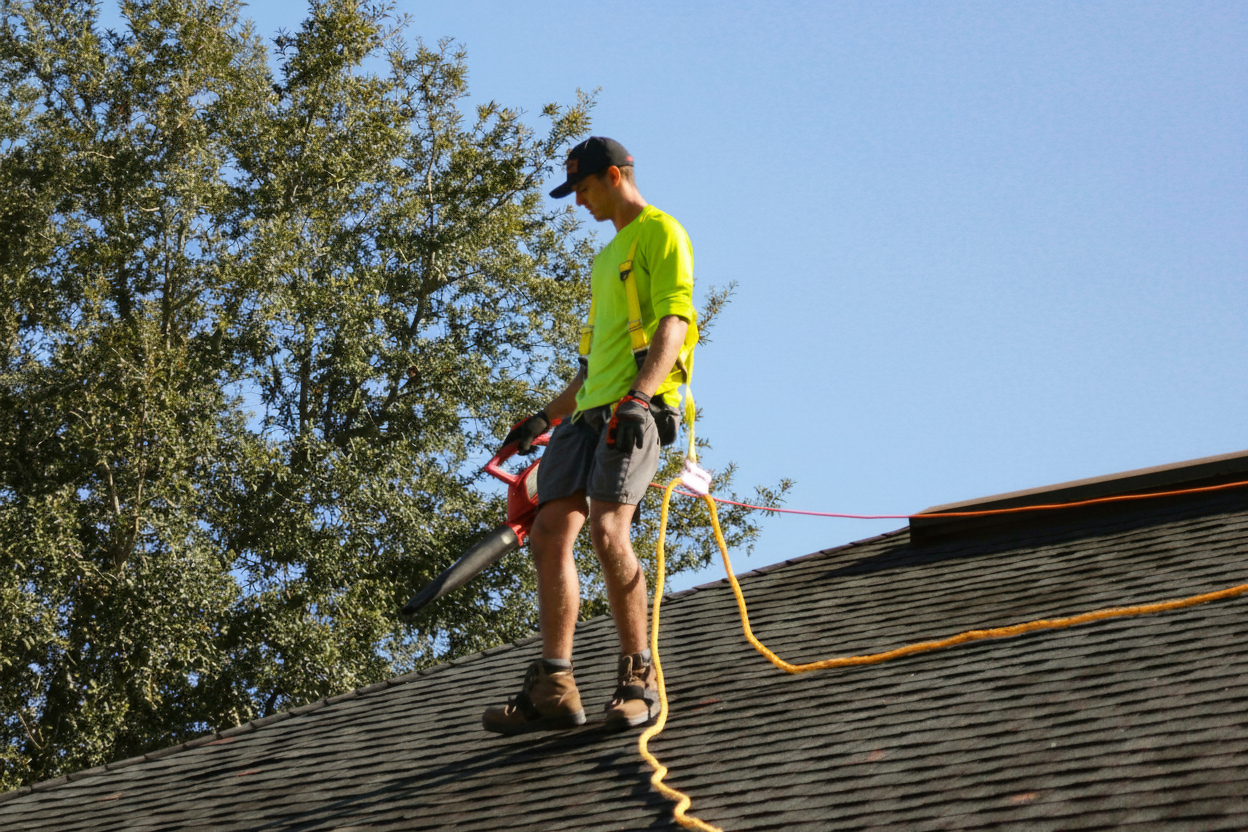
Alt text: Professional roof technician wearing safety gear while cleaning a metal roof, demonstrating proper safety procedures for homeowners
Cleaning your metal roof protects your investment and keeps your home looking its best. Regular maintenance prevents costly damage from debris buildup, algae growth, and environmental wear. This guide walks you through everything you need to know about metal roof cleaning, from safety preparations to the best cleaning solutions.
Quick tip: Clean your metal roof at least once yearly, or twice if you live near trees or in humid climates. Regular cleaning extends roof life by up to 10 years.
Why regular metal roof cleaning matters
Your metal roof faces constant exposure to elements that compromise its performance. Leaves, dirt, pollen, and organic matter accumulate in valleys and seams, trapping moisture against the surface. This creates the perfect environment for algae, mold, and rust formation.
Regular cleaning delivers four key benefits. First, it maintains your home’s curb appeal by removing unsightly stains and streaks. Second, it prevents structural damage by eliminating corrosive substances before they penetrate protective coatings. Third, it helps you spot minor issues like loose fasteners or small dents before they become expensive repairs. Fourth, a clean roof reflects more sunlight, reducing cooling costs during summer months.
Metal roofs can last 40 to 70 years with proper care. Neglecting routine cleaning can cut that lifespan in half. The good news? Cleaning a metal roof takes less time than you might think when you follow the right process.
Essential tools and safety gear
Gather these items before starting your cleaning project:
Cleaning equipment:
– Soft bristle brush or non-abrasive sponge
– Garden hose with adjustable spray nozzle
– Bucket for mixing cleaning solution
– Extension ladder rated for your weight plus supplies
– Safety harness and rope (for steep roofs)
Safety gear:
– Non-slip shoes with rubber soles
– Work gloves
– Safety glasses
– Long sleeves and pants
Cleaning solutions:
Skip harsh chemicals that damage metal roof coatings. Mix one cup of white vinegar with one gallon of warm water for an effective, eco-friendly cleaner. For tougher stains, add two tablespoons of mild dish soap. You can also purchase cleaners specifically formulated for metal roofing.
Safety first: Never clean your roof alone. Have someone nearby in case of emergency. Avoid cleaning during wet, windy, or extremely hot conditions.
Before climbing up, inspect your ladder for damage and place it on stable, level ground. Position the ladder so you can access the roof edge without overreaching. If your roof pitch exceeds 6:12 (rises 6 inches for every 12 inches of horizontal distance), consider hiring professionals instead.
The 5-step metal roof cleaning process
Step 1: Clear debris and inspect
Start by removing loose debris with your hands or a soft brush. Clear leaves, twigs, and dirt from roof valleys, around vents, and along seams. Pay special attention to areas where debris tends to accumulate.
While clearing, inspect for damage. Look for rust spots, loose screws, dents, or scratches in the coating. Check metal roof trim and flashing around chimneys and vents. Note any issues for repair after cleaning.
Clean your gutters too. Clogged gutters cause water backup that can damage your roof edge and fascia. Remove all debris and flush gutters with your hose.
Step 2: Pre-rinse the surface
Using your garden hose, thoroughly wet the entire roof surface. Start at the peak and work downward, following the natural water flow. This pre-rinse loosens surface dirt and prepares the roof for cleaning solution.
Keep water pressure moderate. High pressure can force water under seams or damage metal roof coatings. A steady stream works better than a forceful jet.
Step 3: Apply cleaning solution
Mix your cleaning solution in a bucket. Starting at one end of the roof, apply the solution to small sections (about 10 feet by 10 feet) at a time. This prevents the solution from drying before you can scrub.
For painted or coated metal roofs, test your cleaning solution on an inconspicuous area first. Wait 10 minutes to ensure it does not damage the finish.
Step 4: Scrub gently
Using your soft bristle brush, gently scrub the wetted sections. Work in circular motions, applying light to moderate pressure. Focus on stained areas, but avoid scrubbing too hard, which can scratch the protective coating.
For stubborn stains or algae growth, let the cleaning solution sit for 5 to 10 minutes before scrubbing. The vinegar will break down organic matter, making removal easier.
Never use abrasive tools like steel wool, wire brushes, or power washers on high settings. These damage the protective coating and void most manufacturer warranties.
Pro tip: Work on overcast days when possible. Direct sunlight causes cleaning solutions to dry too quickly, leaving streaks and reducing effectiveness.
Step 5: Rinse thoroughly and inspect
Rinse each section immediately after scrubbing. Start at the highest point and work down, ensuring all cleaning solution washes away. Leftover residue can attract dirt or cause streaking.
After rinsing the entire roof, do a final inspection from the ground using binoculars. Look for missed spots or areas that need additional attention. Check that gutters are draining properly.
Alt text: Satisfied homeowner inspecting their freshly cleaned metal roof, showing the results of proper maintenance
Cleaning frequency and maintenance schedule
How often should you clean your metal roof? The answer depends on your environment and roof type.
| Location/Condition | Recommended Frequency | Priority Areas |
|---|---|---|
| Heavy tree coverage | Every 6 months | Valleys, gutters |
| Coastal/humid climate | Every 6 months | Entire surface |
| Suburban/low tree coverage | Annually | Gutters, seams |
| Dry/desert climate | Every 1-2 years | Around vents |
Between deep cleans, perform quick maintenance every few months. Remove visible debris, check for new damage, and clear gutters. This prevents small issues from becoming big problems.
Different types of metal roofs may have specific care requirements. Standing seam roofs need attention to panel seams, while corrugated metal roofing requires checking ridge caps and valley channels. Consult your roofing manufacturer’s guidelines for specific recommendations.
Common mistakes that damage metal roofs
Avoid these errors that cause more harm than good:
Using pressure washers incorrectly: High-pressure water forces moisture under seams and strips protective coatings. If you must use a pressure washer, keep it below 1,500 PSI and maintain a distance of at least 12 inches from the surface.
Applying harsh chemicals: Bleach, ammonia, and acidic cleaners corrode metal and void warranties. Stick to mild, pH-neutral solutions or products approved for your specific metal roof installation.
Walking on the roof improperly: Step only on structural supports or panel ribs, never in the flat areas between. Wear soft-soled shoes and distribute your weight carefully. Some metal roofs, especially older ones, cannot safely support foot traffic.
Ignoring manufacturer instructions: Every metal roof has specific care requirements based on its coating and material. Check your warranty documents before cleaning. Some products or methods will void your coverage.
Skipping safety equipment: Falls cause serious injury or death. Always use proper safety gear, even for quick jobs. Consider professional help for steep or high roofs.
When to call professional roof cleaners
Some situations require professional expertise. Contact roofing professionals if:
- Your roof pitch is steeper than 6:12
- The roof is more than two stories high
- You notice extensive rust or corrosion
- You find structural damage like bent panels or separated seams
- You are uncomfortable working at heights
Professionals have specialized equipment and insurance to handle challenging situations safely. They can also identify problems you might miss and provide metal roof repair services if needed.
For commercial metal roofing, always hire licensed contractors. Commercial roofs require different techniques and safety protocols than residential installations.
Protecting your metal roof investment
Regular cleaning is just one part of metal roof maintenance. After cleaning, consider these additional protective measures:
Apply a protective sealant every 3 to 5 years. This creates a barrier against UV damage, moisture, and pollutants. Choose products compatible with your roof’s coating.
Trim overhanging branches. Trees dropping leaves and debris increase cleaning frequency and can scratch the roof during storms. Maintain a 6-foot clearance between branches and your roof.
Schedule annual professional inspections. Even if you clean regularly, have a roofing expert check your roof yearly. They can spot subtle issues and perform preventive maintenance.
Keep detailed maintenance records. Document every cleaning, repair, and inspection. This helps you track your roof’s condition over time and may be required for warranty claims.
Understand your roof’s expected lifespan and plan accordingly. Learn how long metal roofs last based on material type and local climate. This helps you budget for eventual replacement.