

Florida Roofing Trends 2025: What Homeowners Need to Know Now
Florida-Specific Roofing & Climate Challenges
October 27,2025
Florida roofing trends 2025: what homeowners need to know now
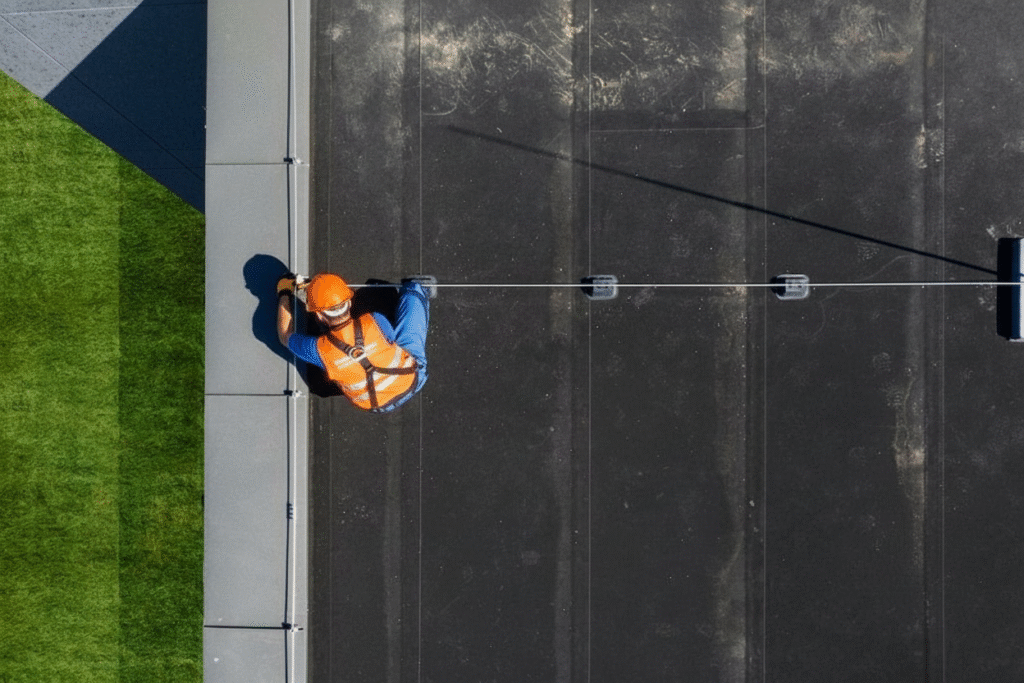
Alt text: Professional roofing contractors installing a metal roof on a Florida home under clear blue skies
Florida homeowners face unique roofing challenges in 2025. Between hurricane season threats, intense UV exposure, and salt air corrosion, your roof needs to do more than look good. It needs to protect your biggest investment while keeping energy costs down.
Florida’s climate demands roofing solutions that balance storm resilience with energy efficiency. The right roof can cut cooling costs by up to 25% while standing strong against 150 mph winds.
This year brings exciting advances in roofing materials and technology designed specifically for our climate. Whether you’re building new, replacing an aging roof, or planning upgrades, understanding these trends helps you make smarter decisions that pay off for decades.
Hurricane resistant roofing leads the market
Storm protection tops every Florida homeowner’s priority list. The roofing industry responded with materials and systems engineered to withstand extreme weather.
Metal roofing dominates new installations across South Florida. Standing seam metal roofs offer clean lines and exceptional wind resistance, with many systems rated for winds exceeding 140 mph. These roofs typically last 50-70 years, making them a smart long-term investment despite higher upfront costs.
Impact resistant shingles have evolved significantly. Modern versions feature reinforced backing and enhanced adhesive systems that keep them attached during high winds. When paired with proper installation techniques, these shingles can dramatically reduce storm damage risk.
Structural improvements matter just as much as surface materials. Upgraded roof trusses and reinforced connections between your roof and walls create a stronger overall system. Many contractors now recommend hurricane straps and additional fasteners as standard practice, not optional upgrades.
For homes in coastal areas, securing roof edges from wind damage becomes critical. Salt air and constant wind exposure require specialized attention to prevent premature failure.
Hurricane rated roofing systems cost 15-30% more than standard installations, but insurance discounts often recover much of that difference within 5-7 years.
Energy efficient materials cut cooling costs
Florida’s intense heat makes energy efficiency a practical necessity, not just an environmental choice. Cool roofing technology has advanced rapidly, offering homeowners multiple ways to reduce heat absorption.
Reflective coatings now come in dozens of colors, not just white. Light colored metal roofs with specialized coatings can reflect up to 70% of solar radiation, keeping attic temperatures 20-30 degrees cooler than traditional dark roofs. This translates directly to lower air conditioning bills throughout our long summer months.
Tile roofing maintains its popularity for good reason. Clay and concrete tiles naturally insulate better than most alternatives while lasting 50+ years with minimal maintenance. Modern tile systems incorporate ventilation channels that allow hot air to escape, further improving thermal performance.
For flat or low slope roofs, spray foam systems with reflective coatings provide excellent insulation. These seamless systems eliminate thermal bridging and can significantly reduce energy consumption in commercial and residential applications.
Homeowners exploring their options should review top roofing materials for Florida homes to understand which solutions best match their specific needs and budget. Different materials excel in different applications.
Comparing popular energy efficient roofing options
| Material | Reflectivity | Lifespan | Best For |
|---|---|---|---|
| Metal (coated) | 65-70% | 50-70 years | High wind areas |
| Clay tile | 30-40% | 50+ years | Traditional style |
| Cool shingles | 25-35% | 20-30 years | Budget conscious |
| Spray foam | 85-90% | 20-25 years | Flat roofs |
Solar integration continues growing. While full solar roof systems remain expensive, solar roofing in Florida becomes more practical as technology improves and incentives expand. Many homeowners now design their roof replacement with future solar panels in mind.
Smart maintenance prevents expensive repairs
Regular inspections catch small problems before they become major expenses. Florida’s harsh climate accelerates roof aging, making proactive maintenance essential.
Professional inspections should happen twice yearly, ideally before and after hurricane season. These checkups identify loose fasteners, damaged flashing, and early signs of wear that could lead to leaks during heavy rain.
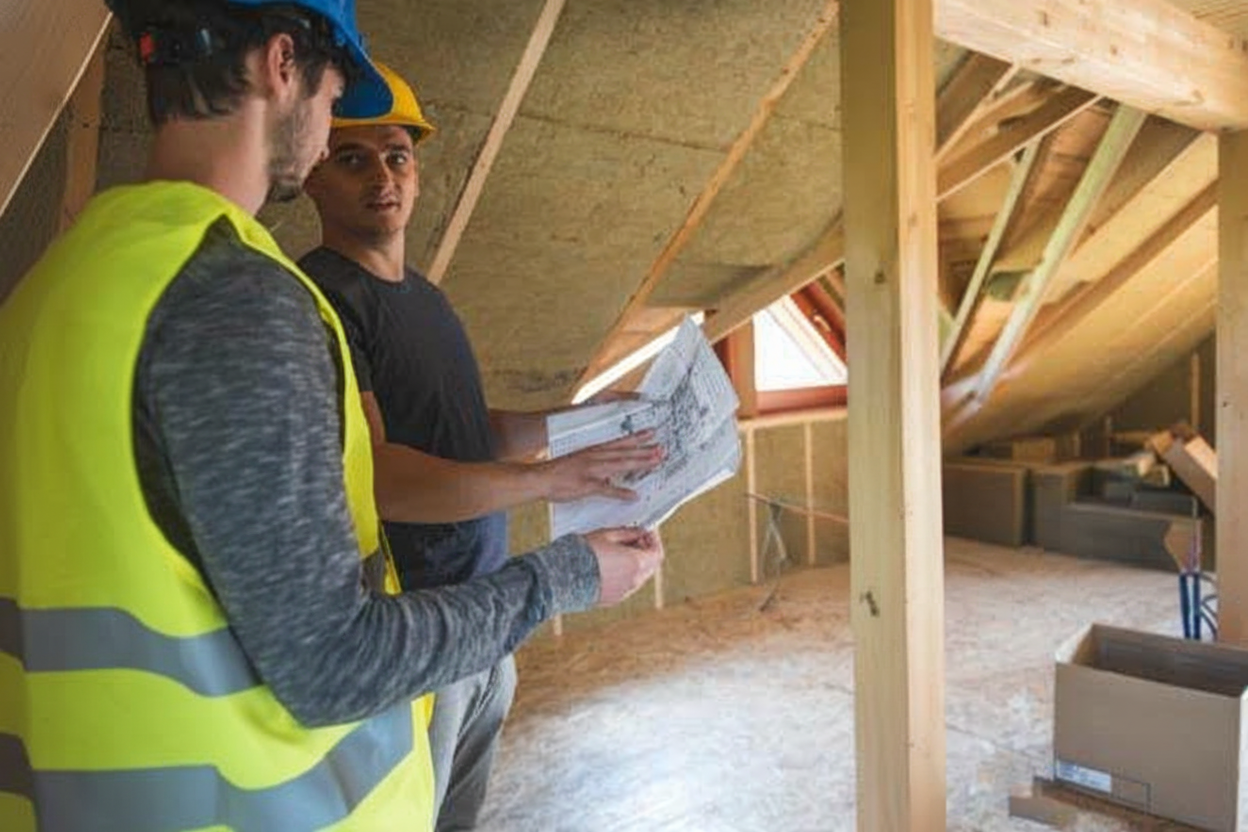
Alt text: Homeowner consulting with roofing professional during detailed roof inspection in Florida
Humidity creates perfect conditions for mold and algae growth. Dark streaks on your roof aren’t just cosmetic issues. Mold and algae on Florida roofs can deteriorate roofing materials and reduce their effectiveness. Professional cleaning and preventive treatments extend roof life significantly.
Coastal homeowners face additional challenges. Coastal air damage to roofs accelerates corrosion on metal components and degrades sealants faster than inland locations. More frequent inspections help catch these issues early.
Key maintenance tasks include:
- Clear debris from valleys and drainage areas monthly
- Trim overhanching branches to prevent damage and shade
- Check and clean gutters quarterly
- Inspect attic ventilation for proper airflow
- Schedule professional inspections twice yearly
Storm preparation matters too. Before hurricane season, verify that loose items are secured and your roof shows no signs of existing damage. Florida hurricane roof preparation can prevent thousands in damage when storms threaten.
Design trends blend style with function
Florida homeowners no longer choose between aesthetics and performance. Modern roofing options deliver both.
Color choices expanded dramatically. Metal roofing now comes in earth tones, coastal blues, and even custom colors that complement your home’s architecture while maintaining high solar reflectance. These finishes resist fading far better than painted options from even five years ago.
Mixed material designs create visual interest. Combining metal accents with tile or using contrasting colors for different roof planes adds dimension without compromising protection. These design elements increase curb appeal and property value.
Architectural details like extended eaves and decorative trusses serve practical purposes too. Deeper overhangs protect walls from rain and provide shaded areas that reduce cooling loads. Exposed beam designs work especially well with metal roofing systems.
Texture matters in modern roofing. Metal panels that mimic traditional shingles or slate offer contemporary performance with classic appearance. This appeals to homeowners in historic districts or those preferring traditional aesthetics.
FAQ
What is the most hurricane resistant roofing material for Florida homes?
How much can energy efficient roofing reduce cooling costs in Florida?
How often should Florida homeowners inspect their roof?
