


Essential Roof Parts Every Homeowner Should Know in 2026
Roof Components
Structure & Design
November 16,2025
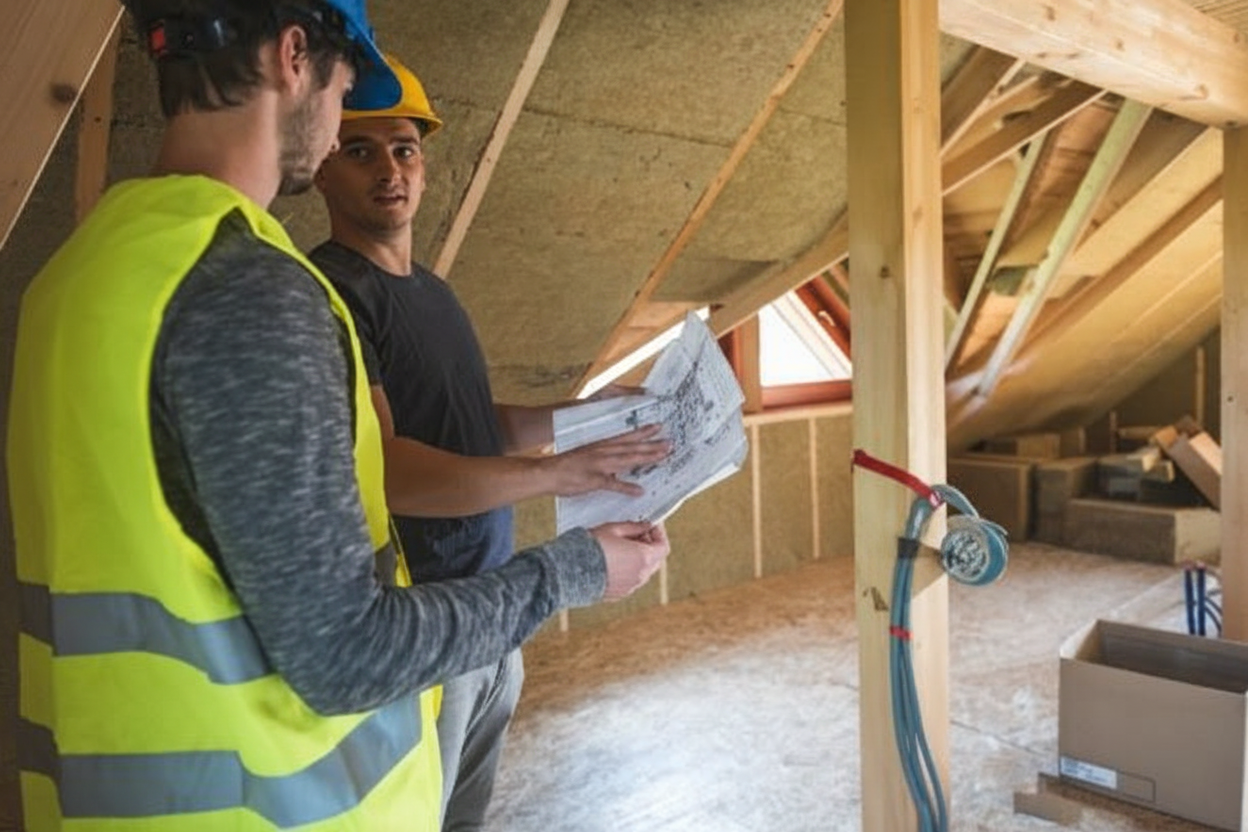
Alt text: Professional roofer explaining roof components to homeowner during inspection, showing various parts of the roof structure
Your roof does more than keep rain out. It protects your home from weather damage, improves energy efficiency, and adds to your property’s curb appeal. Yet many homeowners don’t understand how their roof actually works. Knowing the key components helps you spot problems early, communicate clearly with contractors, and make smart decisions about repairs or replacements.
Understanding your roof’s anatomy empowers you to maintain your home proactively and avoid costly emergency repairs down the road.
This guide breaks down the essential roof parts you need to know, from the foundational decking to the drainage system that channels water away from your home.
Core structural components
Every roof starts with a solid foundation. The decking, also called sheathing, forms the base layer where all other materials attach. Most homes use plywood or oriented strand board (OSB) for this purpose. This layer carries the weight of your roofing materials and distributes it evenly across your home’s frame.
The roof decking must stay dry and intact to maintain structural integrity. Water damage or rot in the decking compromises your entire roof system. During inspections, professionals check for soft spots, discoloration, or sagging that signals decking problems.
Right above the decking sits the underlayment, a water-resistant barrier that adds crucial protection. Modern options include:
- Asphalt-saturated felt (traditional, budget-friendly)
- Rubberized asphalt (superior water resistance)
- Synthetic materials (lightweight, tear-resistant)
- Self-adhering membranes (ideal for ice dam prevention)
- Breathable options (allow moisture to escape)
Quality underlayment extends your roof’s lifespan by preventing water infiltration when shingles fail or during extreme weather events.
Protective layers and weatherproofing
The roof covering forms your first line of defense against weather. Your choice of material affects durability, energy costs, and maintenance needs. Common options include asphalt shingles for affordability, metal panels for longevity, and tile for durability in harsh climates.
When selecting types of roofs and materials, consider your local climate and budget. Metal roofs excel in areas with heavy snow, while tile performs well in hot, sunny regions.
Flashing prevents 90% of roof leaks when properly installed and maintained, making it one of your roof’s most critical protective elements.
Flashing deserves special attention because it seals vulnerable spots where water typically enters. You’ll find flashing around chimneys, vents, skylights, and where roof layers meet walls. The table below shows common flashing types:
| Flashing Type | Location | Primary Function | Material Options |
|---|---|---|---|
| Step flashing | Wall joints | Channels water down | Aluminum, steel |
| Valley flashing | Roof valleys | Directs water flow | Copper, galvanized |
| Drip edge | Roof edges | Guides to gutters | Aluminum, vinyl |
| Counter flashing | Chimneys | Covers step flashing | Copper, steel |
Regular flashing inspections help you catch rust, gaps, or loose sections before they cause interior damage.
Ventilation and drainage systems
Proper airflow through your attic prevents moisture buildup and heat accumulation. Without adequate roof ventilation, you risk mold growth, wood rot, and sky-high cooling bills. Your ventilation system needs both intake vents (usually in soffits) and exhaust vents (at the ridge or gables).
Soffit vents pull fresh air into your attic space, while ridge vents allow hot air to escape naturally. This continuous airflow keeps your attic temperature close to outdoor temperature, reducing strain on your HVAC system.

Alt text: Roofing contractor consulting with homeowners about roof structure and maintenance, discussing roof components
Your drainage system works hand-in-hand with your roof to protect your home’s foundation. Gutters collect water running off your roof and direct it through downspouts away from your house. Even the best roof fails to protect your home if water pools around your foundation.
For homeowners in rainy climates, investing in a quality roof drainage system prevents foundation cracks, basement flooding, and landscape erosion. Clean your gutters twice yearly and ensure downspouts extend at least six feet from your foundation.
Regular inspection of ridge and hip areas prevents the majority of wind-driven rain infiltration and extends your roof’s functional lifespan.
The ridge caps the peak where two roof slopes meet, while hips form the external angles between slopes. Your roof’s architectural style, whether hip versus gable, affects how these components function. Roof eaves and edges also require proper finishing with drip edge installation.
Maintaining your roof investment
Understanding these roof components helps you maintain your home effectively and communicate knowledgeably with roofing professionals. Schedule annual inspections to catch small issues before they become expensive problems. Pay special attention to flashing, ventilation, and drainage because these areas cause most preventable roof failures.
When you notice missing shingles, water stains on ceilings, or excessive granules in gutters, don’t delay repairs. Small problems escalate quickly once water enters your roof system. Document any damage with photos and consult qualified contractors for assessments.
Your roof represents a significant investment in your home’s protection and value. By knowing its key parts and how they work together, you’re better equipped to keep it functioning properly for decades to come.
FAQ
What is the most important part of a roof system?
How often should I inspect my roof components?
Can I replace individual roof parts without replacing the entire roof?
