

Emergency Roof Repair: 6 Critical Steps to Protect Your Home in 2025
Inspection & Repair
Roof Maintenance
October 23,2025
Emergency Roof Repair: 6 Critical Steps to Protect Your Home in 2025
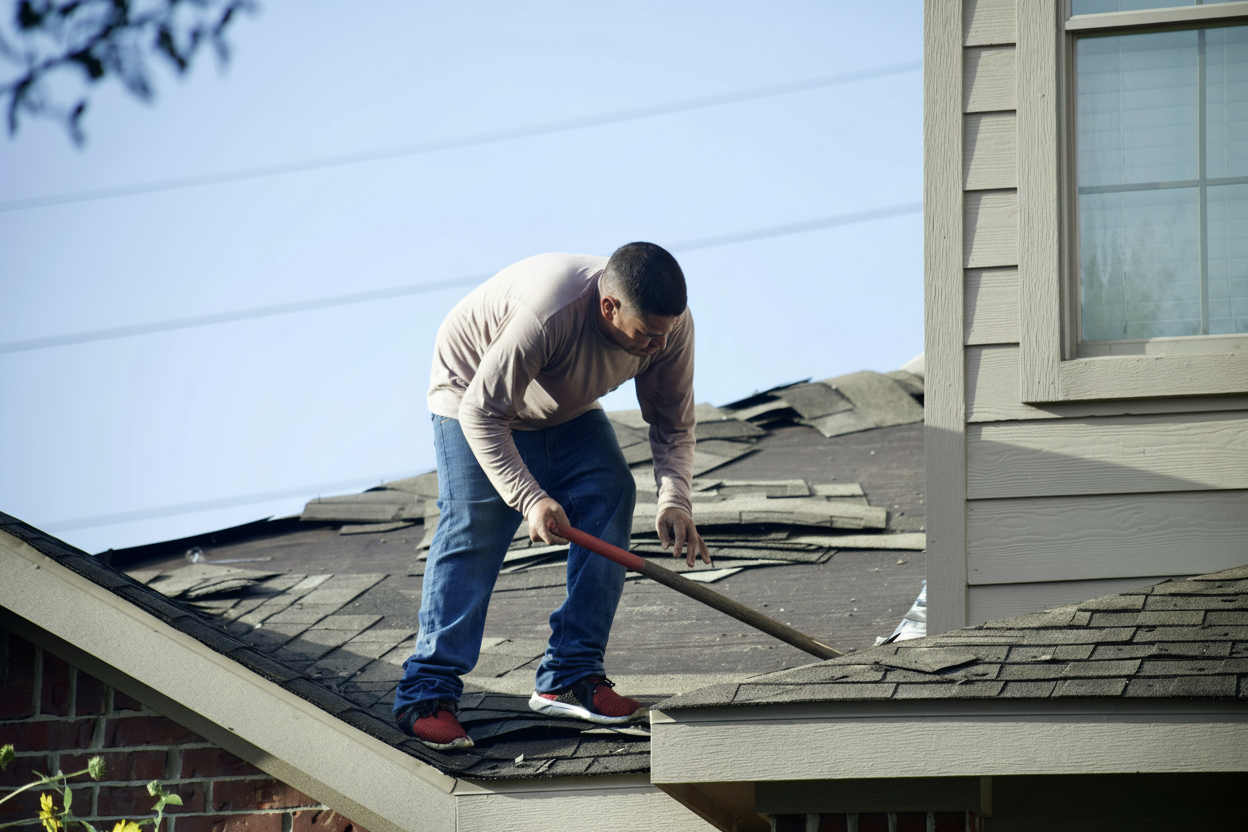
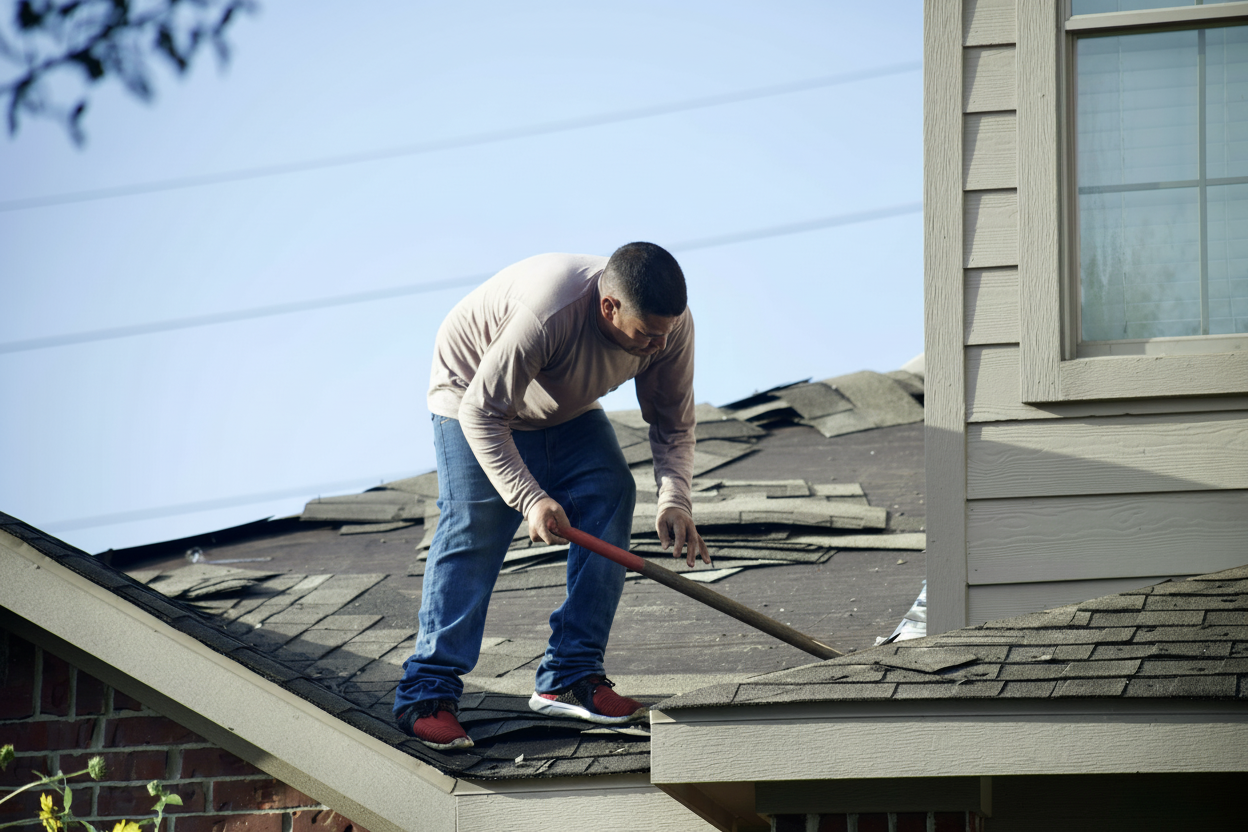
Alt text: Professional roofing contractors performing emergency roof repair work with proper safety equipment and protective tarping
When disaster strikes your roof, every minute counts. Whether it’s a severe storm, fallen tree, or unexpected damage, knowing exactly what to do can mean the difference between minor repairs and catastrophic home damage. Acting quickly and strategically protects your family, preserves your property value, and minimizes repair costs.
:::callout
Quick action saves thousands: Homeowners who address roof emergencies within the first 24 hours typically face 60% lower repair costs than those who delay.
:::
This guide walks you through the essential steps to handle any roofing emergency, from immediate safety measures to working with professional contractors. You’ll learn when a roof issue becomes critical, how to protect your home while waiting for help, and why professional expertise matters more than ever.
When roof damage becomes a true emergency
Not every roof problem requires immediate action, but certain situations demand your urgent attention. A roofing emergency exists when damage threatens your home’s structural integrity or your family’s safety.
Serious situations include active water intrusion that soaks interior spaces, structural compromise from fallen debris or trees, and storm damage affecting large roof sections. These conditions can rapidly escalate into mold growth, electrical hazards, or even complete roof collapse if left unaddressed.
Recognizing urgent roof damage signs
Some emergency indicators are obvious, while others require closer inspection. Watch for these critical warning signs:
- Heavy water leaks entering living spaces
- Visible holes or cracks from impact damage
- Missing or severely damaged shingles across multiple areas
- Sagging roof sections indicating structural weakness
- Interior water stains spreading on ceilings or walls
Catching these issues early prevents minor problems from becoming major disasters. Regular roof inspection helps you spot potential issues before they become emergencies.
Your 6-step emergency roof repair action plan
When facing a roofing crisis, following the right sequence protects your home and streamlines the repair process. Here’s your step-by-step guide:
1. Respond immediately to minimize damage
Time is your enemy during a roof emergency. The longer water or weather elements penetrate your home, the more extensive and expensive repairs become. Mold can begin growing within 24 to 48 hours of water exposure.
Move quickly but safely. If conditions allow, relocate valuables away from affected areas and place containers under active leaks. Never climb onto a damaged roof yourself, as unstable conditions create serious injury risks.
2. Contact a licensed roofing professional
Resist the temptation to attempt DIY emergency repairs. Beyond the safety risks, improper fixes can void warranties and create bigger problems. Licensed contractors bring specialized equipment, safety training, and expertise that ensure proper repairs.
Professional roofers quickly diagnose damage extent and recommend appropriate solutions that meet industry standards. Their experience means they spot hidden issues that untrained eyes miss, preventing future surprises.
3. Apply temporary protective measures
While waiting for professional help, temporary solutions prevent damage from worsening. If you can safely access the area, cover exposed sections with waterproof tarps, securing them firmly to prevent wind displacement.
Place buckets or containers under interior leaks to protect floors and furnishings. These stopgap measures limit water intrusion and buy time until professionals arrive. For guidance on emergency repairs, consult trusted resources, but prioritize safety above all.
4. Document damage and review insurance coverage
Thoroughly photograph and video all damage before making temporary repairs. Capture wide shots showing overall damage and close-ups of specific problem areas. This documentation proves invaluable for insurance claims.
Contact your insurance provider immediately to report the claim. Understanding your policy’s coverage details helps you know what repairs qualify for reimbursement. Professional assessments strengthen claims by providing expert documentation of damage extent and necessary repairs.
| Documentation Step | What to Capture | Why It Matters |
|---|---|---|
| Exterior photos | Overall roof damage, missing shingles | Shows scope of repairs |
| Interior photos | Water stains, ceiling damage | Proves interior impact |
| Video walkthrough | Complete damage assessment | Comprehensive record |
| Written notes | Date, time, weather conditions | Establishes timeline |
5. Receive professional inspection and assessment
Once roofing professionals arrive, they conduct thorough inspections to identify all damage, including hidden issues. This comprehensive evaluation checks for moisture infiltration, structural weaknesses, and potential future problem areas.
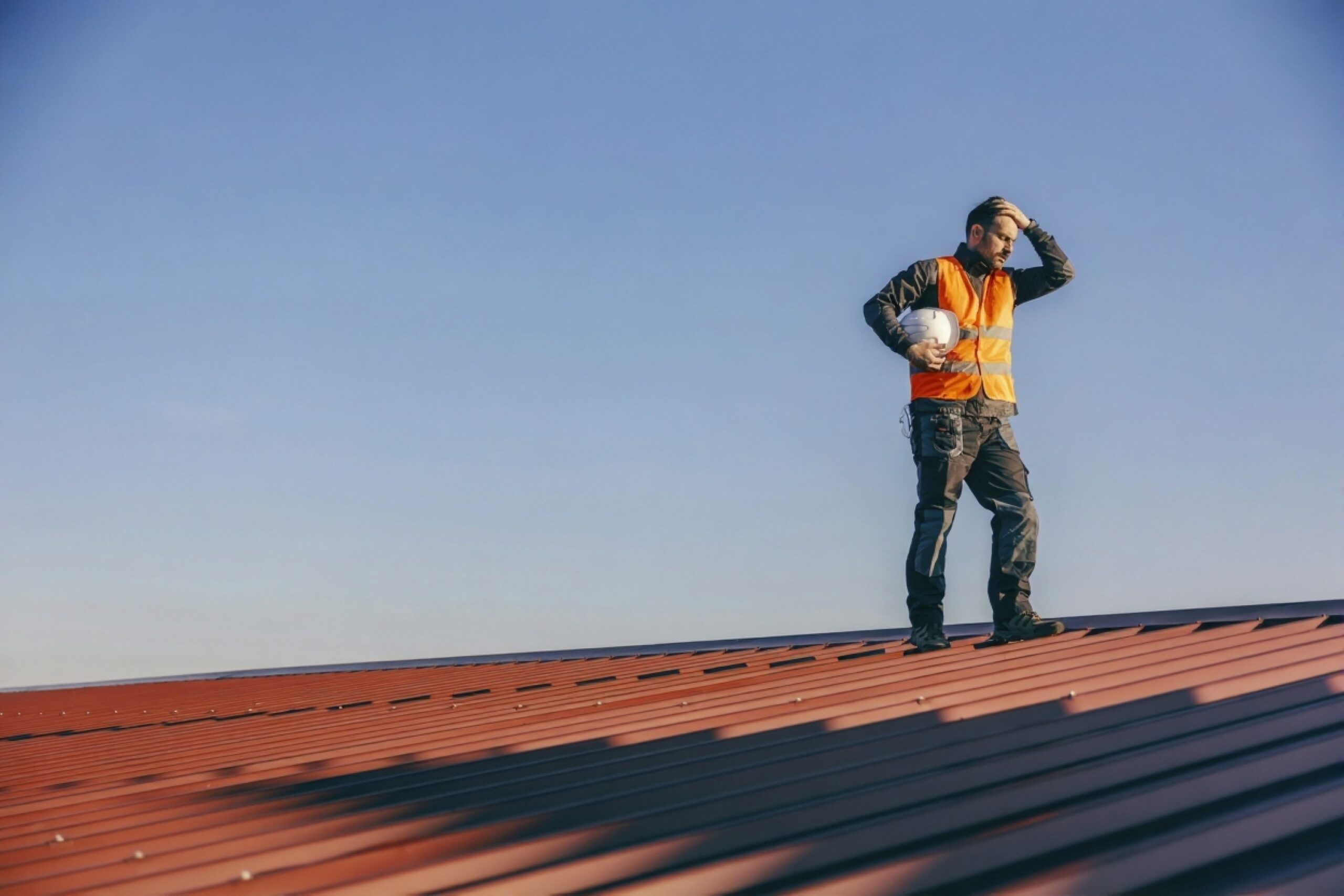
Alt text: Homeowner and professional roofing contractor inspecting storm damage during emergency roof assessment
Detailed assessments inform effective repair strategies and prevent overlooked problems from causing future emergencies. Professionals also provide accurate cost estimates and timeline expectations. Understanding roof repair costs helps you budget appropriately.
6. Complete repairs with quality materials
After assessment, experienced roofers restore your roof’s integrity using appropriate materials and proven techniques. Whether replacing damaged shingles or addressing major structural issues, professional work ensures long-lasting results.
Quality repairs use materials that match your existing roof and meet manufacturer specifications, protecting warranty coverage. Professionals also provide maintenance advice to prevent similar emergencies and extend your roof’s lifespan.
Why professional expertise matters for emergencies
Hiring qualified roofing contractors for emergency repairs delivers benefits that far outweigh costs:
Enhanced safety: Emergency conditions create hazardous situations with slippery surfaces and unstable structures. Certified professionals possess proper safety equipment and training to manage repairs without risking injury.
Specialized knowledge: Professional roofers handle diverse issues from storm damage to structural problems. Their expertise ensures lasting solutions that address root causes rather than applying temporary fixes that fail quickly.
:::callout
Safety first: Emergency roof conditions often involve unstable structures, electrical hazards, and slippery surfaces that require professional-grade safety equipment and training.
:::
Rapid response: Emergencies demand swift action to prevent escalating damage. Established contractors have resources and experience to manage urgent situations efficiently, protecting your home from additional complications.
Insurance navigation: The claims process can overwhelm homeowners during stressful emergencies. Professionals guide you through documentation requirements and communicate effectively with insurance providers to maximize your coverage.
Long-term durability: Professional repairs using quality materials and proven methods ensure work is done correctly the first time. This approach reduces frequent repair needs and provides confidence your roof will withstand future challenges.
For specialized issues like roof leaks, professional expertise becomes even more critical to identify and resolve underlying causes.
Protecting your home starts with preparedness
Roof emergencies are stressful, but preparation and professional support make them manageable. Understanding when situations become critical, knowing immediate response steps, and partnering with qualified contractors protects your home and family.
Don’t wait until disaster strikes to establish a relationship with trusted roofing professionals. Regular roof maintenance and inspections identify potential problems before they become emergencies, saving you money and stress.
When emergencies do occur, remember that quick action combined with professional expertise provides the best outcomes. Your home is your biggest investment, and protecting it properly ensures it remains safe and valuable for years to come.
FAQ
What qualifies as an emergency roof repair situation?
An emergency exists when roof damage threatens your home’s structural integrity or safety. This includes active water leaks causing interior damage, holes from fallen debris or trees, missing shingles across large sections, sagging areas indicating structural problems, or severe storm damage. These situations require immediate professional attention to prevent escalation into mold growth, electrical hazards, or roof collapse.
Should I attempt DIY repairs during a roofing emergency?
No, avoid DIY repairs during emergencies. Emergency conditions create serious safety hazards including unstable structures, slippery surfaces, and electrical risks. Additionally, improper repairs can void your roof warranty and create larger problems. You can safely apply temporary measures like placing tarps over exposed areas from the ground or positioning buckets under leaks indoors, but leave actual repairs to licensed professionals with proper safety equipment and expertise.
How quickly should I respond to roof emergency damage?
Act immediately when you discover emergency roof damage. Contact a licensed roofing contractor right away, as delays allow water intrusion and weather exposure to cause increasingly extensive and expensive damage. Mold can begin growing within 24 to 48 hours of water exposure. While waiting for professionals, apply safe temporary protective measures like tarps and move valuables away from affected areas. Document all damage with photos and videos for insurance purposes as soon as conditions safely allow.