

Corrugated Metal Roofing Guide: Materials, Styles & Installation for 2025
Installation & Maintenance
Metal Roofing Types
October 20,2025
Corrugated Metal Roofing Guide: Materials, Styles & Installation for 2025
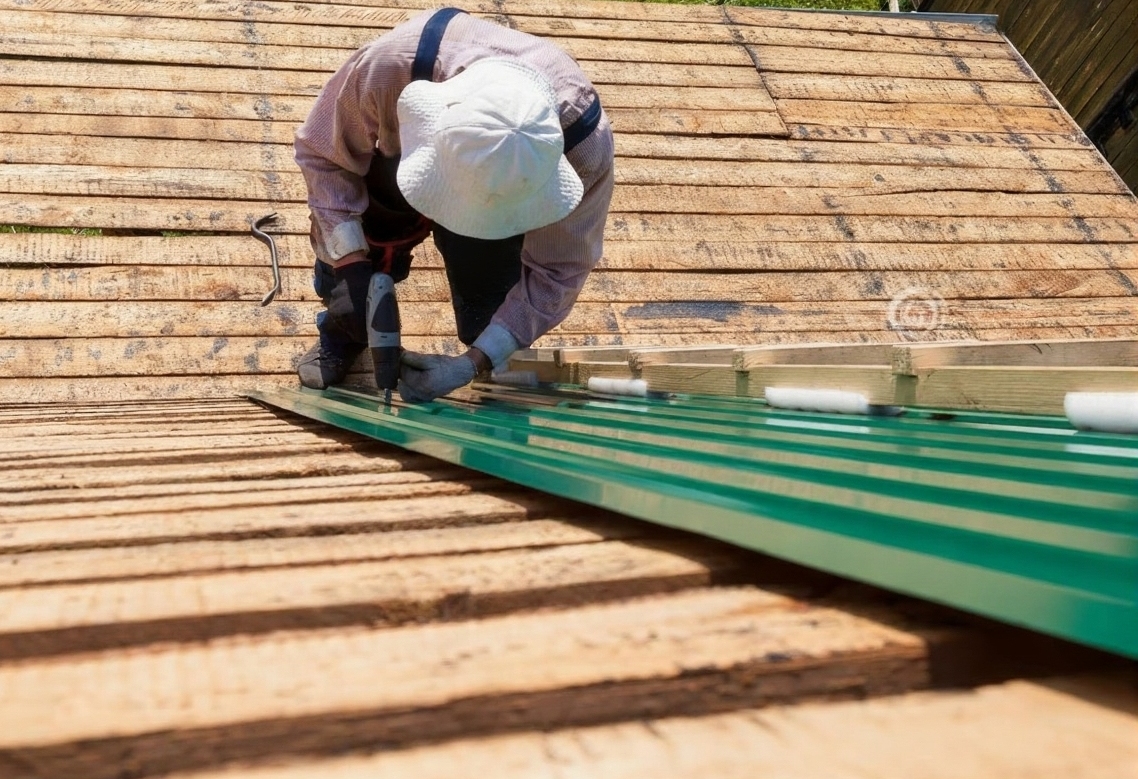
Alt text: Professional roofing contractors installing corrugated metal panels on a residential home
Corrugated metal roofing has become increasingly popular among homeowners looking for a durable, cost-effective roofing solution. With its distinctive wavy pattern and exceptional longevity, this roofing style offers benefits that go beyond simple weather protection. Whether you are building a new home or replacing an old roof, understanding corrugated metal roofing can help you make an informed decision.
Key Insight: Corrugated metal roofs can last 50+ years with minimal maintenance, making them one of the most cost-effective long-term roofing investments available in 2025.
What is corrugated metal roofing and why choose it?
Corrugated metal roofing features a repeating wavy or ribbed pattern that adds structural strength to thin metal sheets. This design is not just for looks. The corrugations allow the material to span longer distances without sagging and help water run off quickly, preventing leaks and water damage.
You might be wondering why corrugated metal has stood the test of time. The answer lies in its versatility and performance. From agricultural buildings to modern residential homes, corrugated metal adapts to various architectural styles while delivering reliable protection against harsh weather conditions.
When comparing different types of metal roofs, corrugated panels stand out for their affordability and ease of installation. The material works well in both hot and cold climates, and manufacturers now offer numerous color options to match your home’s aesthetic.
Material options for corrugated metal roofing
Choosing the right material for your corrugated roof affects both performance and cost. Here are the most common options available in 2025:
Galvanized steel remains the most popular choice. The zinc coating protects the steel from rust and corrosion, giving you decades of reliable service. Steel offers excellent strength and can withstand heavy snow loads and high winds.
Aluminum works particularly well in coastal areas or humid climates. This lightweight material naturally resists rust without additional coatings. While aluminum costs more than steel, it requires less structural support due to its lighter weight. Keep in mind that aluminum dents more easily than steel, so consider your local weather patterns.
Copper provides a premium option for homeowners seeking a distinctive look. Over time, copper develops a natural green patina that many find attractive. Although copper carries a higher price tag, its longevity and minimal maintenance needs justify the investment for many projects.
Pro Tip: For commercial metal roofing projects, galvanized steel offers the best balance of cost, durability, and availability.
Stainless steel delivers superior corrosion resistance without additional coatings. This makes it ideal for harsh environments like coastal regions where salt air can damage other materials.
The table below compares key characteristics of each material:
| Material | Lifespan | Rust Resistance | Relative Cost |
|---|---|---|---|
| Galvanized Steel | 40-60 years | Good | $ |
| Aluminum | 50+ years | Excellent | $$ |
| Copper | 70+ years | Excellent | $$$$ |
| Stainless Steel | 60+ years | Superior | $$$ |
Styles, patterns and color choices
Corrugated metal roofing offers more design flexibility than you might expect. The traditional wave pattern creates that classic corrugated look, but modern manufacturing provides several variations.
Ribbed profiles feature sharper, more angular ridges compared to rounded waves. This style gives buildings a contemporary, industrial appearance that works well for modern architectural designs.
Box profile corrugations have flatter sections between raised ribs, creating a sleeker look while maintaining structural strength. This style has gained popularity for residential applications.
When it comes to metal roof colors, manufacturers now offer extensive palettes. You can choose from classic metallic finishes or painted colors that complement your home’s exterior. Lighter colors reflect more heat, which can reduce cooling costs in warm climates.
Design Consideration: Dark colors absorb more heat but can create a bold architectural statement. Consider your climate and energy efficiency goals when selecting your roof color.
The finish you select also impacts performance. Painted finishes provide color options and added protection, while natural metallic finishes like galvanized steel offer an industrial aesthetic. Copper and zinc develop unique patinas over time, adding character to your roof.
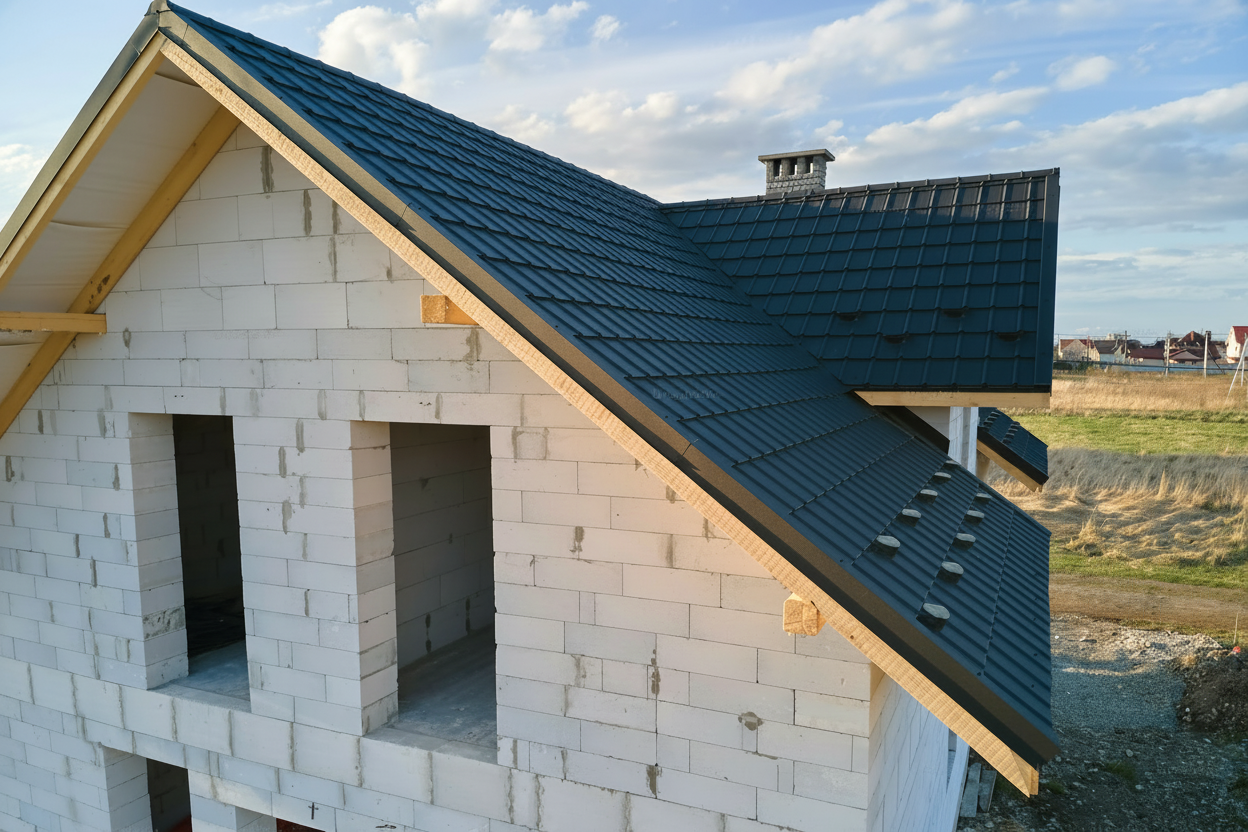
Alt text: Homeowner and contractor examining corrugated metal roofing material samples and colors
Installation process and key considerations
Proper installation ensures your corrugated metal roof performs as expected. While some experienced DIYers tackle this project, professional installation guarantees the best results. Here is what the process involves:
First, contractors prepare the roof deck by inspecting and repairing any damage. A solid foundation prevents future problems. Next, they install metal roof underlayment to provide an extra moisture barrier.
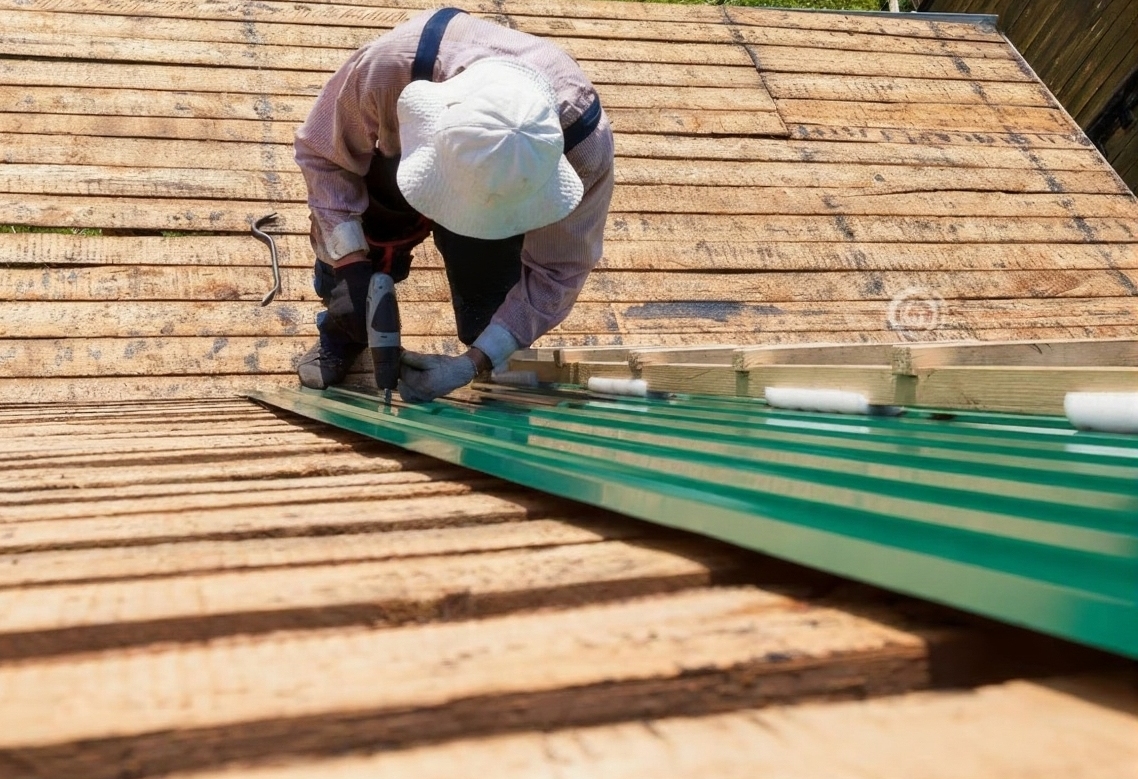
Panels are installed from bottom to top, with each panel overlapping the previous one to ensure water runs off properly. Fasteners go through the raised ridges rather than the valleys to prevent water infiltration. This detail matters significantly for long-term performance.
Flashing and trim pieces seal edges, valleys, and penetrations like chimneys or roof vents. These components prevent water from sneaking under the panels.
If you are considering installing metal roofing over shingles, corrugated panels can work well for this application. However, proper ventilation and underlayment become even more critical in these installations.
For those interested in the detailed steps, our comprehensive metal roof installation guide covers the complete process.
Benefits that make corrugated metal roofing worth considering
Corrugated metal roofing delivers multiple advantages that explain its enduring popularity:
Durability and weather resistance: The corrugated design adds structural strength that helps the roof withstand high winds, heavy snow, and hail. Metal does not crack, warp, or deteriorate like other roofing materials.
Long lifespan with low maintenance: With proper installation, your corrugated metal roof can last 50 years or more. Regular inspections and occasional metal roof cleaning keep it looking great and functioning properly.
Energy efficiency: Metal reflects solar heat rather than absorbing it, which can lower cooling costs by up to 25%. Some homeowners add metal roof insulation for even better energy performance.
Environmental benefits: Most metal roofing contains recycled content and is fully recyclable at the end of its life. This makes it an eco-friendly choice compared to asphalt shingles that end up in landfills.
Fire resistance: Metal roofing is non-combustible and carries a Class A fire rating, providing excellent protection for your home.
When comparing metal roof costs to other materials, the initial investment may be higher. However, the longevity and low maintenance requirements make corrugated metal roofing cost-effective over time.
If damage does occur, metal roof repair is typically straightforward and affordable, especially when addressed promptly.