


Composite Roof Tiles Installation Guide: Durability & Benefits 2026
Maintenance & Repair
October 1,2025
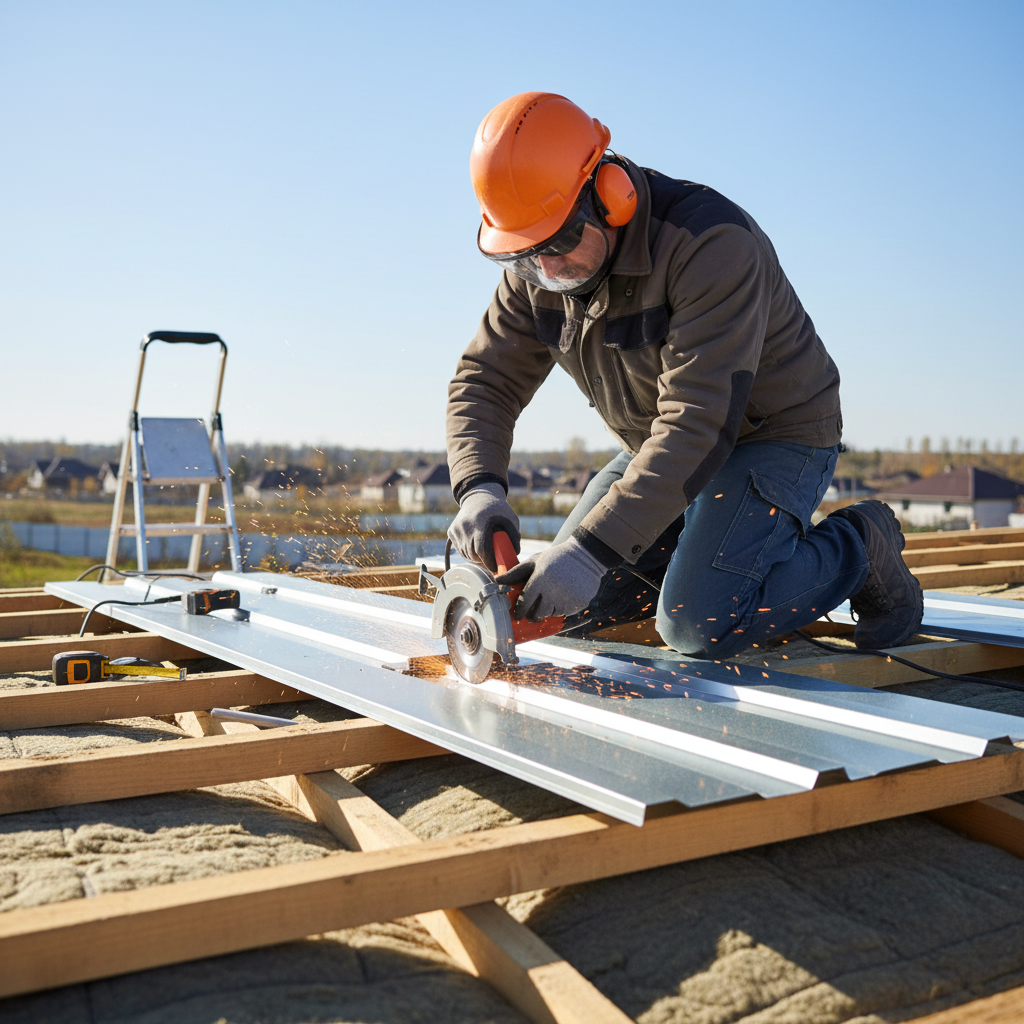
Alt text: Professional roofers installing composite roof tiles on a residential home
Considering a roof upgrade? Composite roof tiles offer an exceptional blend of durability, aesthetic versatility, and eco-friendly benefits that make them a top choice for homeowners in 2026. These innovative tiles combine recycled materials with modern engineering to deliver performance that rivals traditional roofing while requiring minimal maintenance.
Composite roof tiles can last 40 to 50 years, nearly double the lifespan of standard asphalt shingles, making them a smart long-term investment for your home.
This guide covers everything you need to know about composite roofing, from understanding what makes these tiles unique to installation best practices and longevity expectations. You’ll discover why composite tiles are becoming the preferred choice for homeowners who want both beauty and performance.
Understanding composite roof tiles and their advantages
Composite roof tiles are manufactured using a blend of recycled plastics, rubber, and natural minerals. This combination creates a roofing material that mimics the appearance of traditional options like slate, wood shake, or clay while delivering superior performance characteristics.
The manufacturing process fuses these materials together, resulting in tiles that are lightweight yet incredibly strong. Unlike natural materials that can crack or deteriorate over time, composite tiles maintain their integrity through decades of exposure to sun, rain, wind, and temperature fluctuations.
Why homeowners choose composite tiles
The appeal of composite roofing extends beyond just looks. Here are the key benefits:
- Weather resistance: These tiles withstand UV rays, heavy rain, strong winds, and hail without cracking or warping
- Design flexibility: Available in styles that replicate slate, cedar shakes, or terracotta to match any architectural design
- Reduced structural load: Lighter weight compared to clay or concrete tiles means less stress on your roof structure
- Sustainable choice: Made from recycled materials, reducing environmental impact and landfill waste
- Minimal upkeep: No need for sealing, repainting, or frequent repairs
The combination of these benefits makes composite tiles an excellent alternative when comparing different roof tile types available today.
Professional installation process for composite roofing
While professional installation is essential for warranty coverage and optimal performance, understanding the process helps you know what to expect. Here’s how experienced roofers install composite tiles:
Preparation and planning
The foundation of a successful installation starts with proper preparation. Roofers inspect the existing structure for damage, remove old materials, and install waterproof underlayment. Choosing the right tile roof underlayment is critical for long-term protection against moisture intrusion.
Professional installers use specialized tools and techniques to ensure each tile is positioned correctly, creating a weatherproof barrier that protects your home for decades.
Accurate measurements determine the quantity of tiles needed, and installers plan the layout to minimize cuts and waste while ensuring proper alignment.
Installation steps overview
| Step | Process | Key Consideration |
|---|---|---|
| 1. Surface prep | Clean, repair, and dry the roof deck | Ensures proper tile adhesion |
| 2. Underlayment | Install waterproof barrier | Critical moisture protection |
| 3. Starter row | Align first tiles at roof edge | Sets foundation for pattern |
| 4. Tile placement | Work upward in overlapping rows | Prevents water infiltration |
| 5. Ridge caps | Seal and finish roof peaks | Completes weatherproofing |
Each tile gets secured with corrosion-resistant fasteners, and proper overlap between rows ensures water flows off the roof without seeping underneath. The tile roof installation process requires attention to detail at every stage.
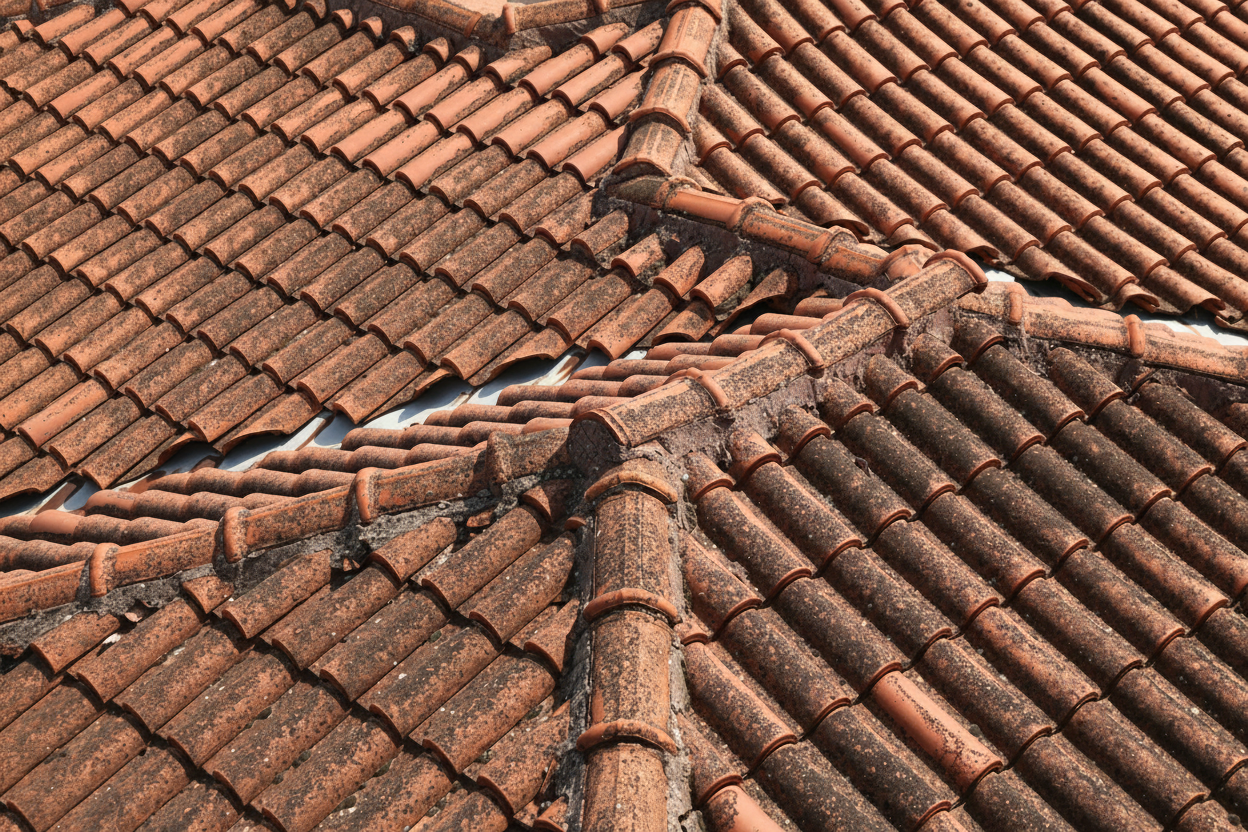
Alt text: Homeowner examining composite roof tiles showcasing durability and appeal
After installation, a thorough inspection confirms every tile is properly fastened and the roof is ready to protect your home through any weather condition.
Lifespan expectations and durability factors
One of the most compelling reasons to choose composite tiles is their impressive longevity. These tiles typically last 40 to 50 years, significantly outperforming many traditional materials.
What makes composite tiles so durable
The engineered composition of composite tiles gives them resistance to common roofing problems. They don’t crack from freeze-thaw cycles like natural slate, won’t rot like wood shakes, and resist the fading that affects some terracotta tile roofs over time.
Manufacturers often back their products with warranties ranging from 30 to 50 years, demonstrating confidence in the material’s performance. Understanding how long tile roofs last helps you compare options and make informed decisions.
The durability of composite tiles means fewer repairs over the roof’s lifetime, translating to lower maintenance costs and fewer disruptions to your household.
Maintaining your composite roof
While composite tiles require minimal maintenance, periodic inspections help catch any issues early. Look for signs that tile roof repair may be needed, such as displaced tiles after severe storms or debris accumulation in valleys.
Regular tile roof cleaning removes organic growth and keeps your roof looking its best. When walking on your roof for inspections, follow proper techniques to avoid damage, as even durable tiles can crack under concentrated weight.
Making the right choice for your home
Composite roof tiles represent a modern solution that combines traditional aesthetics with contemporary performance. They offer the timeless beauty of natural materials without the maintenance headaches or shorter lifespans.
When comparing tile versus shingle roofs, composite tiles often emerge as the superior choice for homeowners who prioritize longevity and low maintenance. The initial investment pays dividends through decades of reliable protection.
Whether you’re building new construction or considering tile roof replacement, composite tiles deserve serious consideration. Their combination of durability, beauty, and environmental benefits makes them an excellent choice for homeowners who want a roof that performs as well as it looks.
Ready to explore composite roofing for your home? Contact Foxhaven today for a professional consultation and discover how composite tiles can enhance your property’s protection and curb appeal for decades to come.
FAQ
How long do composite roof tiles typically last?
Can I install composite roof tiles myself or do I need a professional?
Are composite roof tiles heavier than asphalt shingles?
