


Complete Flat Roof Repair Guide For 2026
October 7,2025
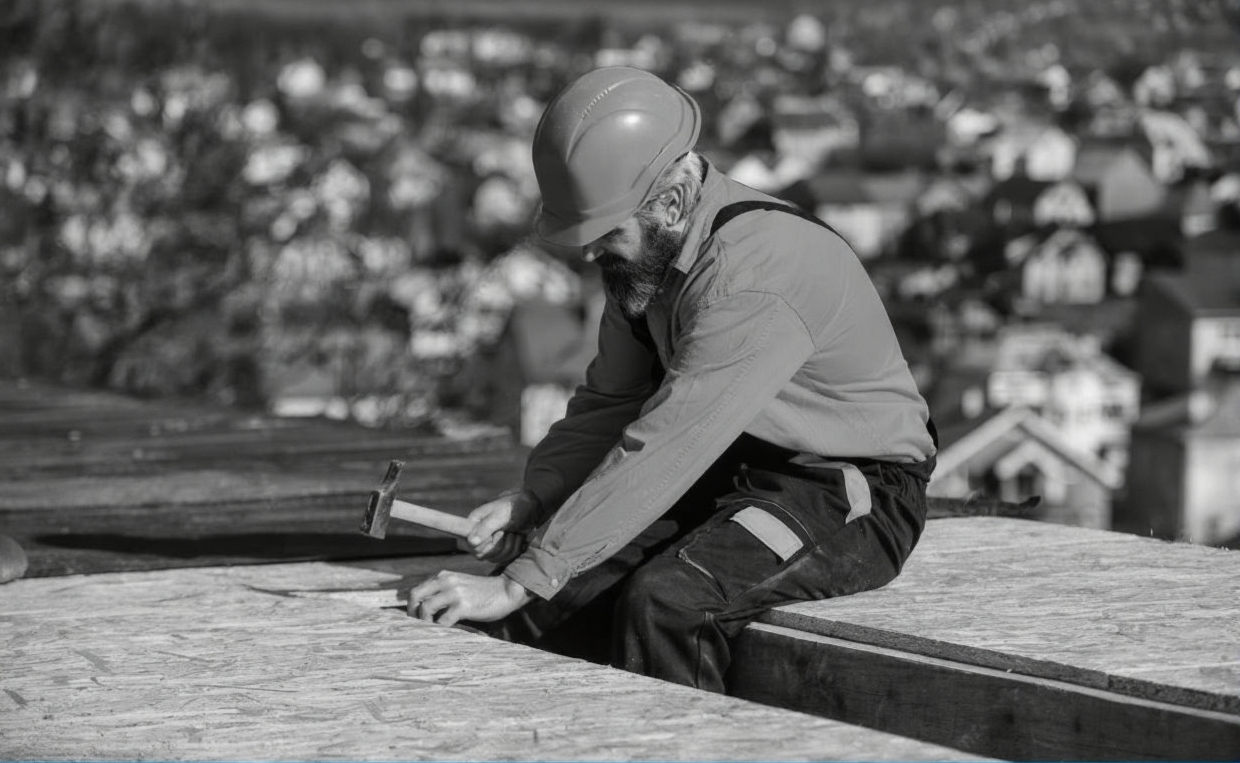
Alt text: Professional roofing technicians inspecting and repairing a flat roof system, showing hands-on repair work
Flat roofs remain a popular choice for commercial and residential buildings because they offer cost savings, usable space, and modern aesthetics. However, keeping your flat roof in good condition requires understanding common issues and knowing how to address them quickly. This guide walks you through everything you need to repair and maintain your flat roof in 2026.
Regular flat roof maintenance can extend your roof’s lifespan by 10 to 15 years, saving thousands in replacement costs.
Understanding flat roof systems and common materials
Before you start any repair work, you need to know what type of flat roof you have. Different materials require different repair approaches. The most common flat roofing materials include:
- EPDM (rubber membrane): Durable synthetic rubber that resists weather damage
- TPO (thermoplastic): Energy-efficient single-ply membrane popular for commercial buildings
- PVC: Chemical-resistant material ideal for roofs exposed to oils or grease
- Modified bitumen: Reinforced asphalt-based material with excellent waterproofing
- Built-up roofing: Multiple layers of bitumen and fabric for long-lasting protection
Each material has unique characteristics that affect how you approach repairs. For detailed comparisons of these materials, check out our guide on top flat roof material options.
Why flat roofs develop problems
Flat roofs face unique challenges due to their low slope design. Water drainage becomes critical since even small amounts of standing water can lead to membrane deterioration, blistering and cracking from temperature fluctuations, seam separation as materials expand and contract, and flashing failures around penetrations and edges.
Understanding these issues helps you catch problems early. If you notice signs of serious damage, read our article on when to replace your flat roof to determine if repairs are enough.
Common flat roof problems you can fix
Most flat roof issues fall into predictable categories. Recognizing these problems early makes repairs simpler and less expensive:
| Problem | Cause | Repair Difficulty |
|---|---|---|
| Small leaks | Punctures, seam failures | Easy |
| Ponding water | Poor drainage, sagging | Moderate |
| Blistering | Trapped moisture, heat | Moderate |
| Membrane shrinkage | Age, temperature stress | Difficult |
| Flashing damage | Weather, improper install | Moderate |
For specific guidance on leak repairs, see our detailed flat roof leak repair guide with step-by-step instructions.
Commercial properties should schedule flat roof inspections twice yearly to catch minor issues before they become costly repairs.
Step-by-step flat roof repair process
Repairing your flat roof follows a systematic approach that ensures lasting results. Start with safety gear including gloves, non-slip shoes, and eye protection. Walk the entire roof surface looking for visible damage, soft spots, and standing water. Use a moisture meter to detect hidden water damage beneath the surface. Document everything with photos and notes.
Remove all debris, dirt, and loose material from damaged areas. If water is present, use a wet vacuum to remove it and allow the surface to dry completely. For successful repairs, the surface must be clean and dry. Cut away any damaged material with a utility knife, being careful not to cut into underlying layers.
The repair method depends on your roofing material. For EPDM roofs, clean the area with approved cleaner, cut a patch larger than the damage, apply EPDM adhesive to both surfaces, and press firmly with a roller to eliminate air bubbles. For TPO and PVC roofs, clean the surface, cut an oversized patch, and use a heat gun to weld the patch following manufacturer guidelines. For modified bitumen, apply roofing cement to the damaged area, press down any loose material, and cover with a matching patch secured with additional cement.
If you’re working with rubber roofing materials, follow specialized techniques for EPDM repairs.
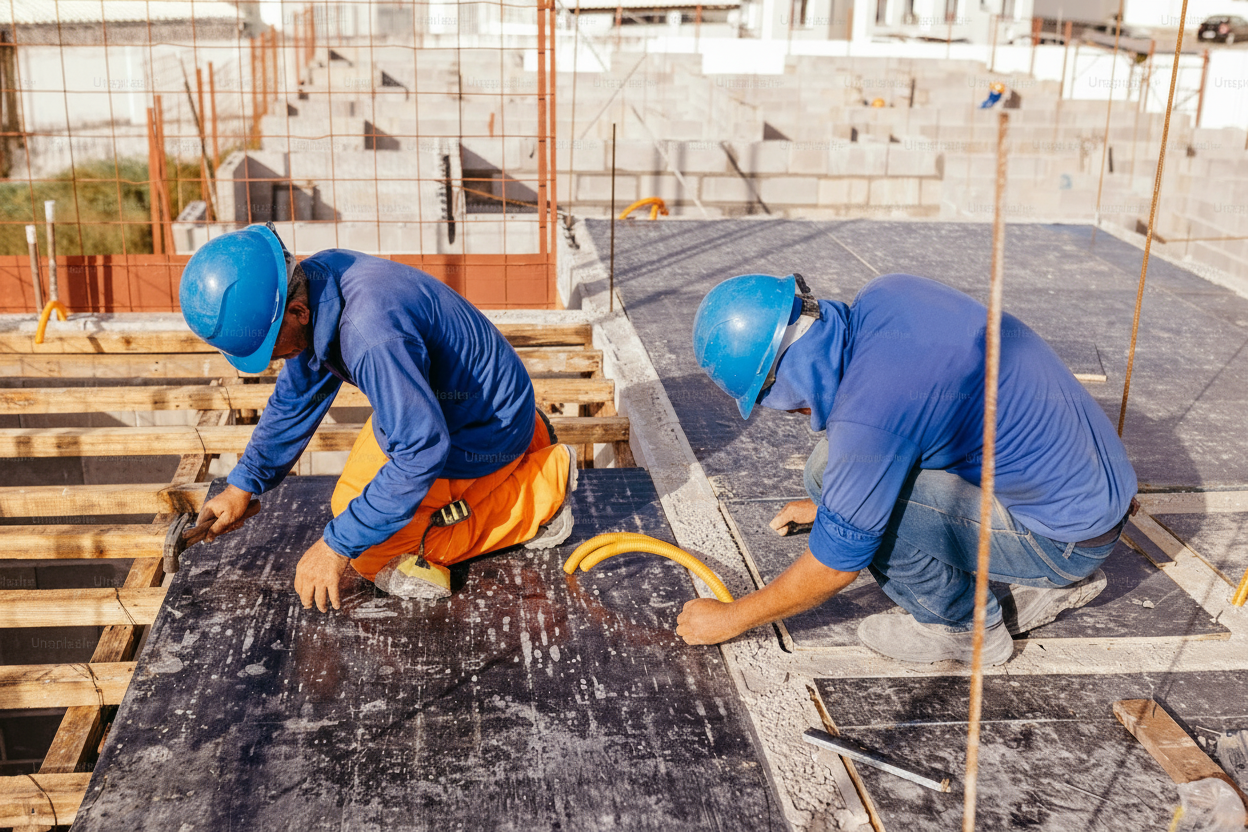
Alt text: Roofing team working together to install roofing membrane on a flat roof, demonstrating professional repair techniques
Standing water is the enemy of flat roofs. If you find areas where water pools for more than 48 hours after rain, you need to improve drainage. Options include adding drains, installing tapered insulation to create slope, or applying roof coatings that bridge low spots. Learn more about protective coatings in our roof sealants and coatings guide to extend your roof’s lifespan.
Flashing around vents, HVAC units, and roof edges is critical for waterproofing. Inspect all flashing for rust, separation, or damage. Remove and replace any compromised flashing, ensuring new installations are properly sealed with compatible sealants.
Professional flat roof repairs typically cost 40-60% less than full replacement, making timely repairs a smart financial decision.
When to call a professional roofer
While many flat roof repairs are manageable DIY projects, some situations require professional expertise:
- Damage covering more than 25% of the roof surface
- Structural issues or sagging deck boards
- Repairs that could void manufacturer warranties
- Complex drainage problems requiring new slope
- Commercial buildings with strict building codes
For commercial properties, explore our commercial flat roof repair solutions to understand your options.
Choosing the right roofing contractor
When you need professional help, select a contractor carefully. Verify licensing and insurance coverage, check references and online reviews, get detailed written estimates from multiple contractors, confirm they have experience with your specific roofing material, and ask about warranties on both materials and labor.
A qualified contractor should offer a thorough inspection and explain all repair options. For insights on what professionals look for, read about commercial roof inspection processes.
Preventing future flat roof problems
Proactive maintenance saves money and extends your roof’s life. Implement these preventive measures:
- Schedule professional inspections every six months
- Clean drains and gutters quarterly to ensure proper water flow
- Trim overhanging tree branches that drop debris
- Apply reflective coatings to reduce heat stress
- Address minor issues immediately before they worsen
Consider energy-efficient roofing options that reduce thermal stress and lower cooling costs.
FAQ
How much does flat roof repair typically cost?
Can I repair a flat roof myself or do I need a professional?
How long do flat roof repairs last?
