

How Long Does a Roof Really Last in Florida?
December 4,2025
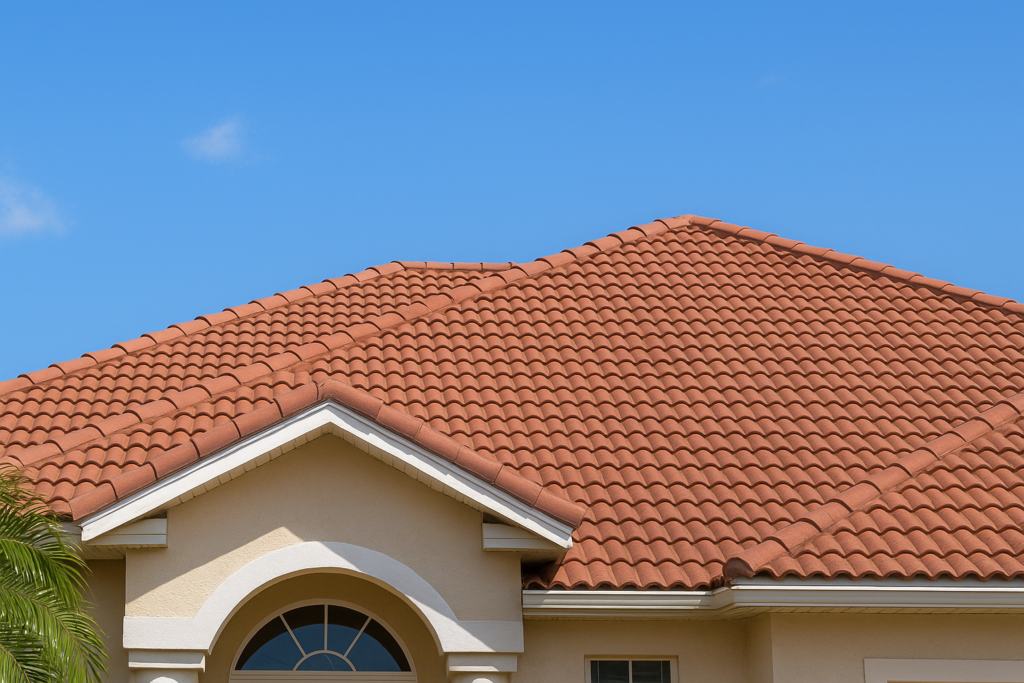
How long can you expect your roof to last in Florida? It’s one of the most common questions we hear from homeowners, and for good reason. Our state’s unique climate of intense sun, high humidity, and seasonal storms means roofs here have a different lifespan than in other parts of the country.
At FoxHaven Roofing, we believe in empowering homeowners with clear, straightforward information. This guide will walk you through what to realistically expect from your roof and how to protect your investment in our challenging climate.
What Is the Average Roof Life Expectancy in Florida?
While the national average is 20-30 years, most roofs in Florida last between 15-20 years. The difference comes down to our intense, year-round weather.
The lifespan depends heavily on the material. Asphalt shingle roofs, the most common choice for their balance of durability and value, typically last 15-20 years in Florida. A well-maintained
metal roof can last 40-50 years, offering excellent long-term protection. Tile roofs often reach 30-50 years, but the underlayment—the waterproof barrier beneath them—usually needs replacement around the 20-year mark.
Key Takeaway:Most Florida roofs, especially asphalt shingle, have a realistic lifespan of 15-20 years. Understanding this timeline helps you plan financially and avoid surprises.
Ultimately, your roof’s actual lifespan comes down to the quality of the material, the skill of the installation, and how consistently you maintain it.
Why Do Florida Roofs Wear Out Faster?
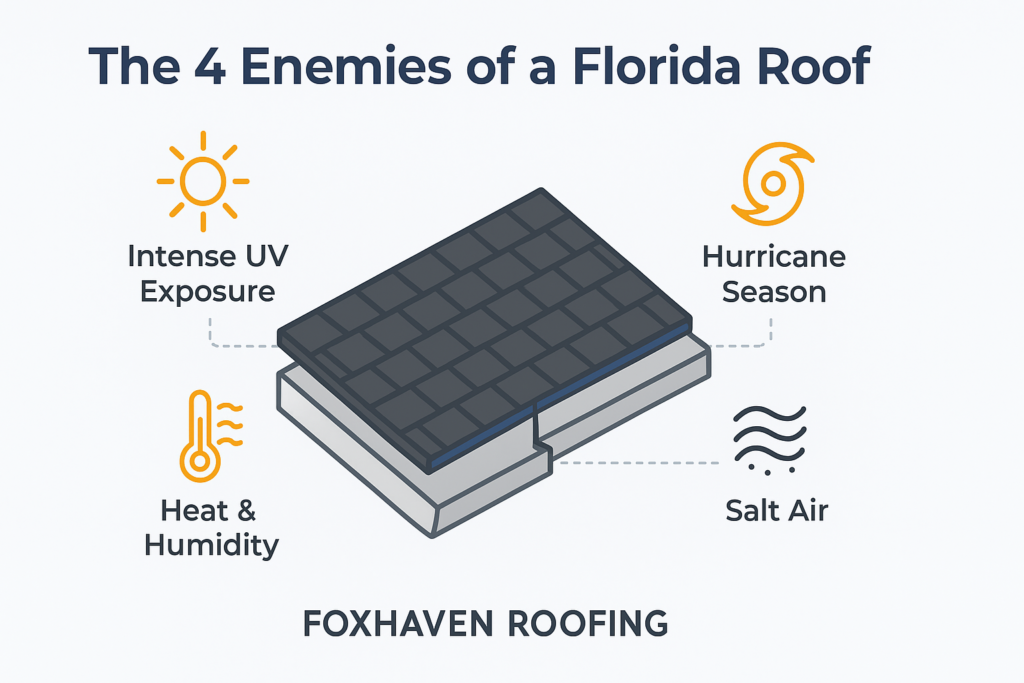
Florida’s climate is a perfect storm of factors that accelerate a roof’s aging process. We see the effects of these four elements daily during our inspections:
- Intense UV Exposure: Relentless, year-round sunshine degrades asphalt shingles, breaks down sealants, and makes materials brittle far more quickly than in milder climates.
- Heat and Humidity: High humidity keeps your roof damp long after it rains, creating an ideal environment for algae and mold to grow. In the summer, attic temperatures can soar past 150°F, essentially “baking” your shingles from below and shortening their life.
- Hurricane Season: High winds are the most obvious threat during Hurricane Season, capable of lifting shingles and driving rain underneath them. This can cause hidden damage that worsens over time, even if your roof appears fine after a storm.
- Salt Air: For homes near the coast, the salty air corrodes metal components like nails, flashing, and vents, which can compromise the integrity of your entire roofing system.
These factors work together, meaning a roof’s manufacturer warranty doesn’t always reflect its real-world lifespan in Florida.
Is a 20-Year-Old Roof Too Old in Florida?
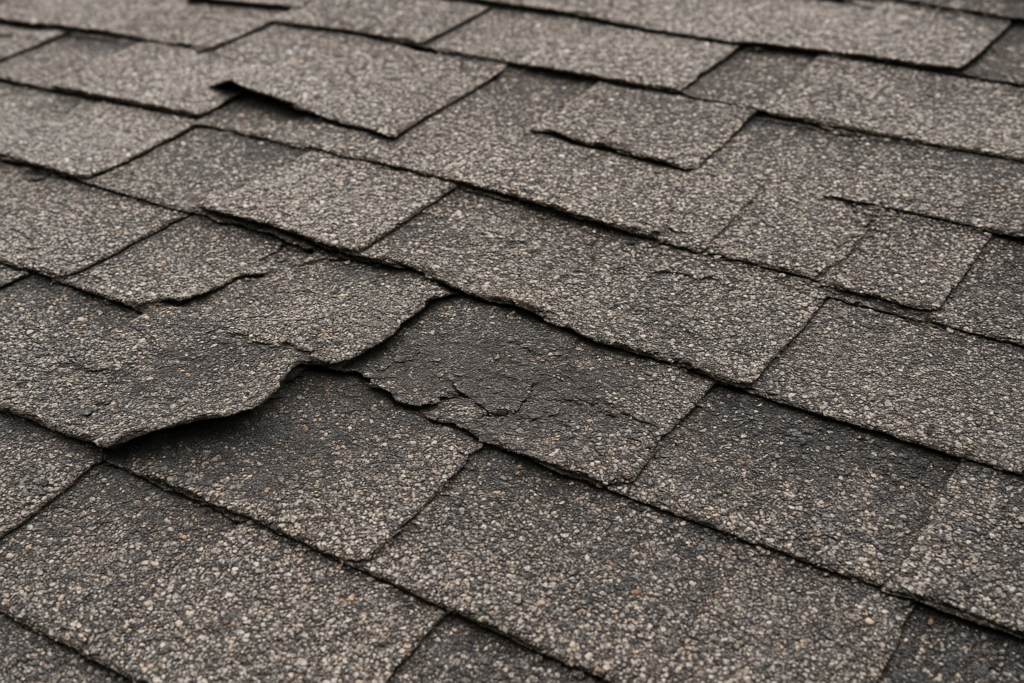
In Florida, a 20-year-old roof is definitely approaching the end of its reliable service life. At this age, it has weathered two decades of intense sun, humidity, and countless storms. Even if it looks okay from the street, the materials have likely lost much of their original strength and flexibility.
When we inspect roofs of this age, we often find curling or cracked shingles, significant granule loss (the sandy coating on shingles), and compromised flashing around vents and chimneys. You might also notice signs inside, like faint water stains on your ceilings or higher energy bills as the roof’s integrity declines.
If your roof is 20 years old, we strongly recommend scheduling a professional inspection. You are likely within a few years of needing a replacement, and catching issues now can save you from the stress and expense of interior water damage.
Do You Have to Replace Your Roof Every 10 Years?
No, this is a common myth, but we understand where the confusion comes from. You do not need to replace a perfectly good roof at 10 years, but this is the age when insurance companies start paying closer attention.
Good to Know: Insurance companies may require an inspection for roofs over 10 years old, but this doesn’t mean your roof is failing. It’s a standard practice for managing risk in Florida.
A 10-year-old roof is typically middle-aged. It’s the perfect time to start proactive maintenance and annual inspections, but you shouldn’t face an immediate replacement unless it has sustained significant storm damage or was installed poorly.
How Can You Extend Your Roof’s Life in Florida?
Proactive maintenance can add years to your roof’s lifespan and help you avoid a premature replacement.
Start with an annual professional inspection, especially after hurricane season, to catch small issues before they become costly emergencies. Keep your gutters clean to prevent water from backing up and rotting the edges of your roof. It’s also wise to trim overhanging tree branches to prevent debris from accumulating and reduce the risk of damage during a storm.
Pro Tip: An annual roof inspection is the single best way to catch small problems before they become costly emergencies, potentially adding 3-5 years to your roof’s life.
If you spot a problem like a small leak, address it immediately. A minor repair is always cheaper than fixing major water damage. Finally, ensure your attic has proper ventilation, as this helps reduce the heat buildup that accelerates aging. These simple steps protect your investment and give you peace of mind.
What Are the Warning Signs That a Replacement Is Needed?
Your roof will give you clear signals when it’s time for a replacement. From the ground, look for widespread shingle damage like curling, cracking, or bare spots where the protective granules have worn away. Sagging rooflines are another serious red flag.
Inside your home, watch for water stains on the ceiling, signs of mold in the attic, or a sudden increase in your cooling costs. If your roof is over 15 years old and you’re seeing several of these issues, the cost of frequent repairs will quickly add up. At that point, a full replacement is the more sensible financial decision.
Get the Most From Your Florida Roof
While a roof’s life is shorter in Florida, you are not powerless. Understanding the typical 15-20 year lifespan helps you plan financially and maintain your home properly.
Our advice is simple: at 10 years, become more vigilant with inspections. At 15 years, start budgeting for a future replacement. By 20 years, it’s time for a serious evaluation.
At FoxHaven Roofing, we’re here to provide honest assessments and quality solutions that stand up to South Florida’s weather. Whether you need an inspection or are ready to discuss replacement options, our team will guide you with transparency and expertise.
Ready to find out where your roof stands? Contact us today for a free, no-pressure roof assessment.
