


Roof Leak Repair Tips For Homeowners In 2026
Inspection & Repair
Roof Maintenance
October 2,2025
Roof leaks can cause serious damage to your home if you ignore them. Water infiltration leads to structural issues, mold growth, and expensive repairs down the line. Whether you want to handle minor fixes yourself or need guidance on when to call professionals, understanding proper roof leak repair methods protects your investment.
Early detection saves thousands in repair costs. Homeowners who inspect their roofs twice yearly catch problems before they escalate into major damage.
This guide walks you through essential repair techniques, common mistakes to avoid, and preventive measures that keep your roof watertight year-round.
Understanding common causes of roof leaks
Before you grab your tools, identify where the water enters your home. Leaks originate from several sources, and pinpointing the exact location helps you apply the right fix.
The most frequent culprits include damaged or missing shingles from wind and weather exposure, deteriorated flashing around chimneys and vents, clogged gutters forcing water under roof edges, punctures from falling branches or hail, and substandard installation work. You can learn more about identifying these issues during a thorough roof inspection.
Spot leaks by checking for water stains on ceilings, visible drips in your attic, musty odors indicating mold, and peeling paint from trapped moisture. Acting quickly when you notice these signs prevents minor issues from becoming structural nightmares.
Essential repair techniques and safety practices
Proper repair techniques make the difference between a lasting fix and recurring problems. Follow these proven methods to address leaks correctly.
Conduct regular roof inspections
Inspect your roof twice yearly, ideally in spring and fall, plus after major storms. Look for cracked shingles, loose flashing, and debris buildup. Regular maintenance checks catch small issues before they require expensive intervention.
Prioritize safety during repairs
Use sturdy ladders extending three feet above the roof edge, wear non-slip footwear, secure yourself with a safety harness, and never work on wet surfaces. Have someone nearby in case of emergencies. Your safety matters more than rushing repairs.
Replace damaged shingles immediately
Cracked, curled, or missing shingles expose underlayment to water. Remove damaged pieces carefully, slide new shingles into place, and secure them with roofing nails. Match your existing shingle type and color for seamless integration.
Maintain clean gutters and downspouts
Clogged gutters force water back under roof edges. Clear debris seasonally using a garden hose, or install gutter guards to minimize maintenance. Proper drainage protects both your roof and foundation.
Apply quality sealant to minor gaps
Small cracks around flashing or between shingles benefit from roofing sealant. Clean and dry the area first, then apply sealant designed for exterior use. This provides temporary protection while you arrange permanent fixes.
Professional help becomes necessary when leaks affect multiple areas, cause structural damage, or involve complex flashing repairs around chimneys and skylights.
Avoid common repair mistakes
Knowing what not to do prevents you from making problems worse. Never ignore small leaks, as they escalate to structural damage. Avoid using cheap materials that provide only temporary fixes. Do not work in bad weather due to safety risks and poor adhesion. Never block attic vents, which traps moisture and promotes rot. Do not walk on wet roofs, as slipping causes serious injuries. Avoid delaying repairs, which allows water to penetrate deeper into your home structure. Do not attempt complex repairs beyond your skill level. Knowing when to call professionals versus handling repairs yourself prevents costly mistakes.
| Mistake | Consequence | Better approach |
|---|---|---|
| Ignoring small leaks | Escalates to structural damage | Address leaks immediately |
| Using cheap materials | Temporary fixes that fail quickly | Invest in quality roofing products |
| Working in bad weather | Safety risks and poor adhesion | Wait for dry, calm conditions |
| Blocking attic vents | Traps moisture, promotes rot | Maintain proper ventilation |
Skipping attic insulation checks misses a key leak contributor. Poor insulation allows condensation buildup that mimics roof leaks. Inspect insulation annually and upgrade if you spot moisture damage.
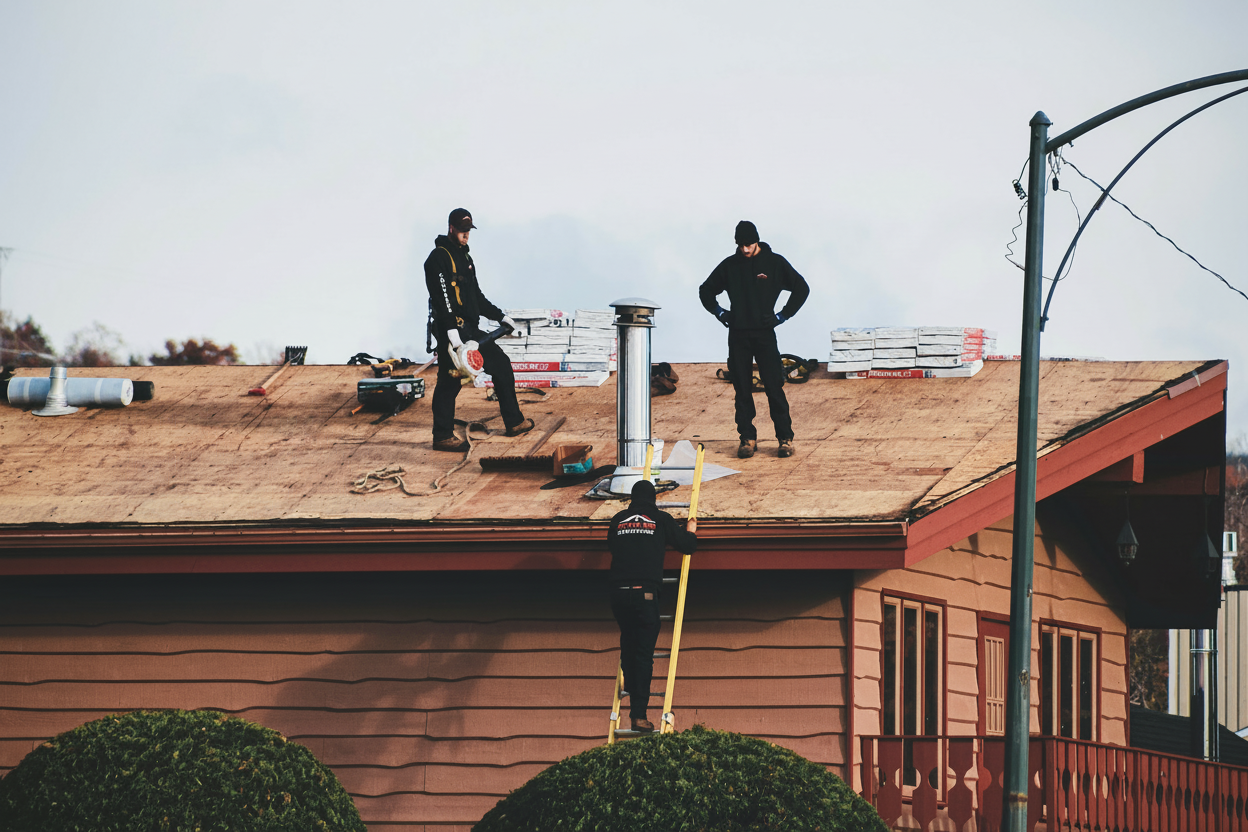
Alt text: Skilled roofing professionals working together on residential roof repair and maintenance
Preventive measures and taking action on roof leak repairs
Prevention costs far less than repairs. These proactive steps keep your roof healthy and extend its lifespan significantly.
Schedule professional inspections annually
Hired experts spot subtle problems you might miss. They identify early wear patterns, hidden damage, and potential failure points. Annual professional roof inspections provide detailed reports and maintenance recommendations.
Trim overhanging tree branches
Branches scrape shingles during wind and drop debris that traps moisture. Keep trees trimmed at least six feet from your roof edge. This simple step prevents punctures and reduces organic buildup that promotes algae growth.
Upgrade to durable roofing materials
When replacement time arrives, consider long-lasting options like metal roofing or architectural shingles. These materials withstand extreme weather better than basic three-tab shingles and often include better warranties.
Improve attic ventilation and insulation
Proper airflow prevents heat and moisture buildup that damages roofing materials from underneath. Balanced intake and exhaust vents maintain consistent attic temperatures. Quality insulation reduces ice dam formation during winter months, a common cause of roof damage after heavy rain and storms.
Document repairs and maintenance
Keep records of all work performed, including dates, materials used, and contractor information. This documentation helps with insurance claims and provides valuable history for future repairs or home sales.
Homeowners who invest in preventive maintenance spend 40% less on roof repairs over their roof lifespan compared to those who only address problems reactively.
Take action now to protect your home
Addressing roof leaks promptly protects your home from extensive water damage, mold growth, and structural deterioration. You now understand how to identify leak sources, execute proper repairs, avoid common mistakes, and implement preventive maintenance.
Start with a thorough inspection of your roof today. Look for the warning signs discussed in this guide and address any issues you discover. For minor problems like isolated damaged shingles or small gaps, careful DIY repairs using quality materials can provide effective solutions.
However, recognize when professional help becomes necessary. Emergency roof repair situations, extensive damage affecting multiple areas, or complex repairs involving flashing and valleys require experienced contractors. At Foxhaven, our team specializes in comprehensive roof leak detection and repair, ensuring your home stays protected year-round.
Don’t wait until small leaks become major problems. Regular maintenance and prompt repairs extend your roof lifespan and preserve your home value. Whether you handle basic maintenance yourself or partner with professionals for complex work, taking action now prevents costlier repairs later.
FAQ
How can I temporarily stop a roof leak until professional help arrives?
What time of year is best for roof leak repairs?
How much does professional roof leak repair typically cost?
