


5 Signs Your Flat Roof Needs Replacement in 2026
October 10,2025
5 signs your flat roof needs replacement in 2026
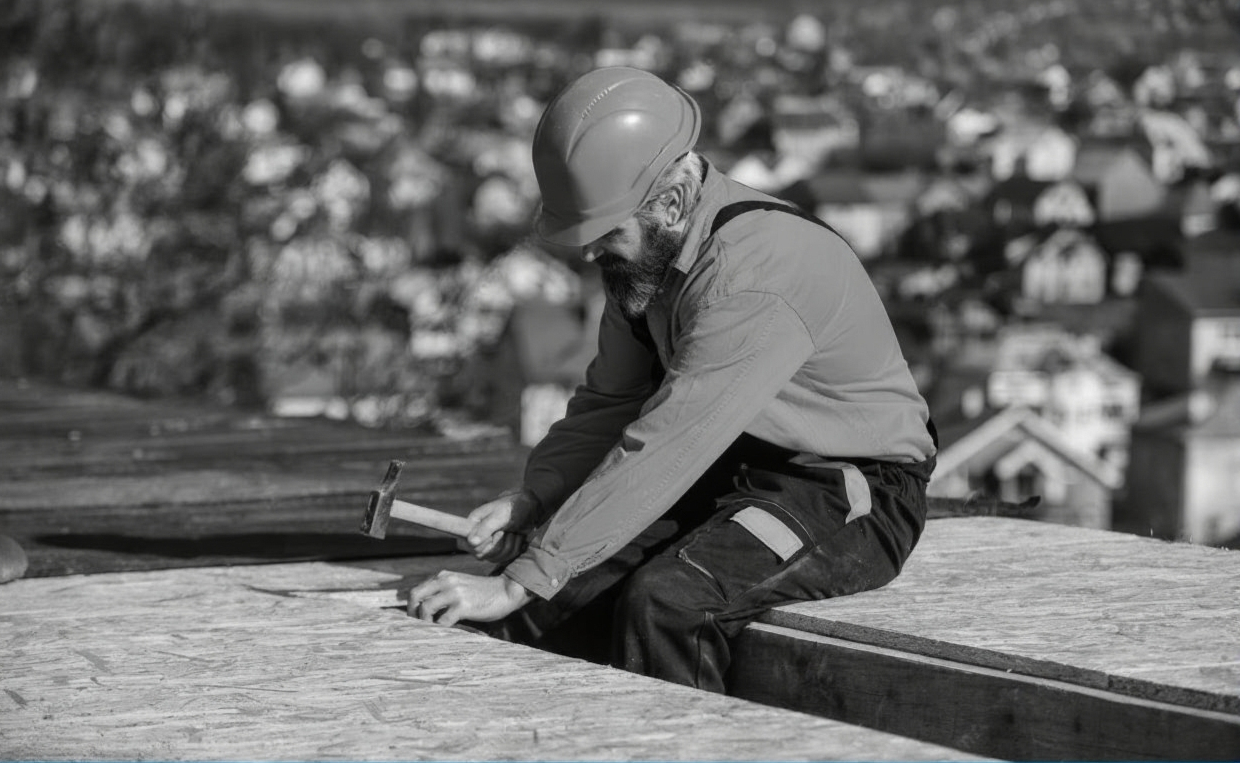
Professional inspection helps identify replacement needs before major damage occurs
Flat roofs offer a sleek, modern look for commercial and residential buildings, but they don’t last forever. Knowing when to replace your flat roof can save you thousands in emergency repairs and protect your property from serious damage. Whether you manage a commercial building or own a home with a flat roof, recognizing early warning signs helps you plan ahead and avoid costly surprises.
Investing in timely flat roof replacement protects your property from cascading damage that affects insulation, structural integrity, and interior spaces while preventing costly emergency repairs down the road.
In this guide, we’ll walk you through five clear indicators that it’s time for a flat roof replacement, what each sign means for your building, and how to address them before minor issues become major headaches.
Understanding why timing matters for flat roof replacement
When you ignore a failing flat roof, you’re not just dealing with a roofing problem. You’re inviting a cascade of issues that affect your entire building. Water that seeps through damaged roofing materials finds its way into insulation, wooden supports, and interior spaces. This moisture creates the perfect environment for mold growth, which poses health risks and requires expensive remediation.
Your energy bills tell another part of the story. A compromised flat roof lets conditioned air escape while allowing outside temperatures to affect your interior climate, driving up your utility costs month after month.
Structural damage follows close behind. As water weakens roof decking and support beams, your roof becomes vulnerable to collapse, especially under the weight of debris or snow. The longer you wait, the more extensive and expensive the repairs become. What might start as a simple membrane repair can quickly escalate into a full structural renovation.
Five critical signs that demand your attention
Water stains on your ceiling or walls aren’t just cosmetic issues. They’re visual proof that your flat roof has failed its primary job of keeping water out. These stains often appear as yellowish or brown discoloration that grows larger over time.
You might also notice a musty smell in certain rooms, which indicates mold growing in hidden spaces. This happens when moisture from roof leaks creates damp conditions in walls, insulation, or ceiling cavities. Mold doesn’t just damage building materials; it creates health hazards for everyone in the building.
Pay attention to pooling water on your flat roof’s surface. While flat roofs aren’t perfectly level, they should drain within 48 hours after rain. Standing water that persists longer accelerates material breakdown and increases leak risk. If you’re seeing these signs, flat roof leak repair becomes urgent.
Blisters look like raised bubbles on your roof’s surface. They form when moisture or air gets trapped between roofing layers, often due to poor installation or inadequate ventilation. As temperatures fluctuate, these pockets expand and contract, eventually breaking open.
When blisters rupture, they expose the underlying layers to weather damage. What started as a small bubble becomes an entry point for water, accelerating roof deterioration.
Once the surface breaks, UV rays and weather elements attack the exposed materials directly. The damage spreads outward from each blister, creating weak spots throughout your roof. Widespread blistering typically means your roofing system has reached the end of its useful life and needs replacement rather than spot repairs.
Your flat roof should maintain a relatively even plane across its surface. When you notice dips, sags, or areas that look lower than others, you’re seeing evidence of structural problems underneath. This sagging often results from water damage to the roof decking, compromised support beams, or excessive weight bearing down on weakened areas.
Think of your roof deck like a wooden floor. When water damages the wood, it loses strength and starts to bow under normal loads. The same thing happens with roof decking. As moisture weakens the structural components, they can no longer support the roof’s weight properly.
Ignoring sagging creates serious safety risks. A compromised roof structure could collapse, especially during heavy rain or snow. If you spot sagging areas, you need a professional inspection immediately to assess whether commercial flat roof repair can address the issue or if full replacement is necessary.
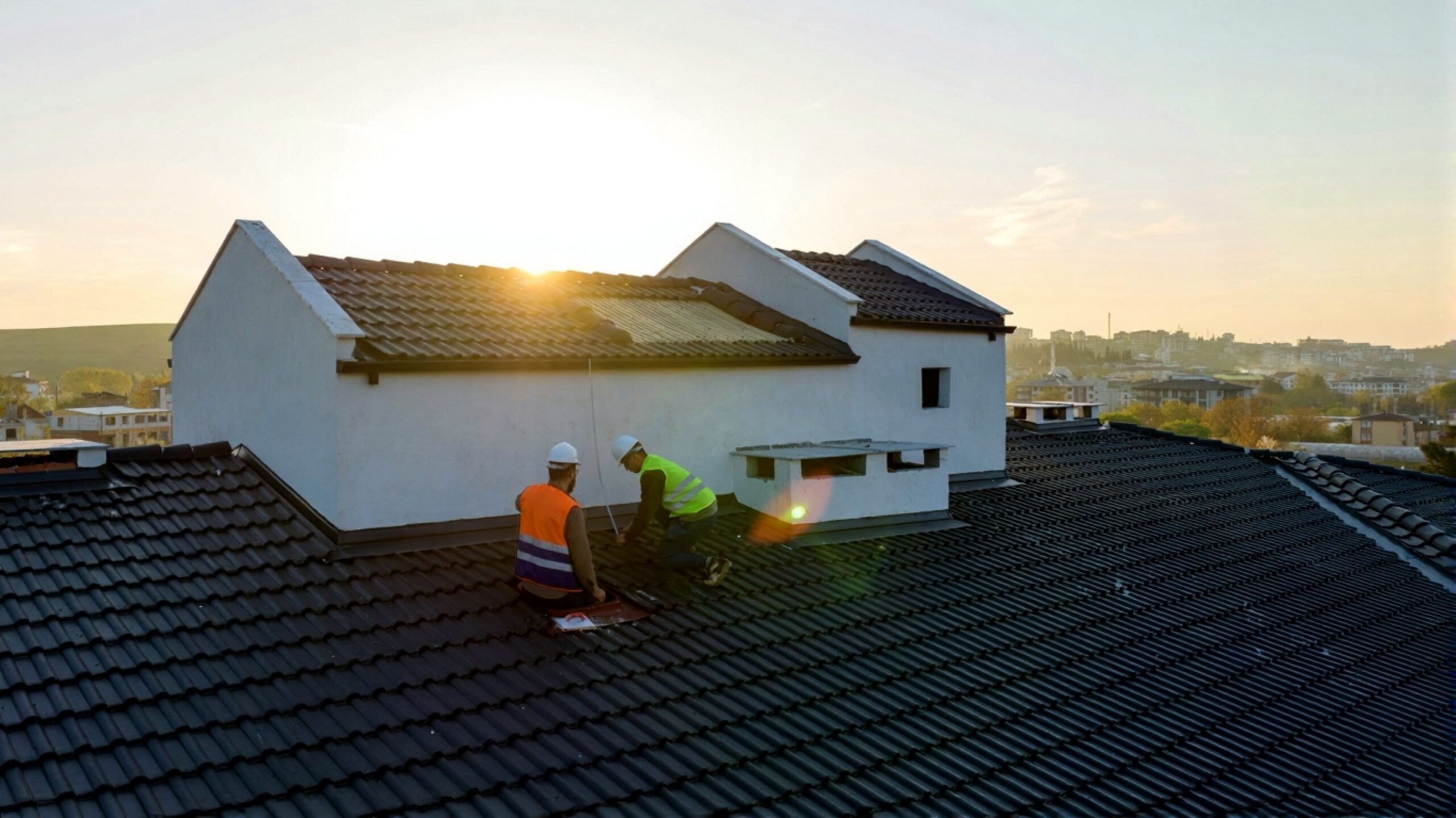
Professional assessment determines whether repair or replacement is the right solution
Common membrane and material failures
Your roof membrane serves as the waterproof barrier protecting everything below. Over years of sun exposure, temperature swings, and weather events, this membrane breaks down. You might see cracks running across the surface, splits along seams, or areas where the membrane has pulled away from the substrate.
UV radiation from constant sun exposure is particularly harsh on roofing membranes. It causes materials to become brittle and lose flexibility. Temperature changes make this worse, as materials expand in heat and contract in cold, creating stress that eventually leads to cracking.
When the membrane detaches from the substrate, wind can get underneath and cause more damage. These gaps also allow water to flow between layers, where it causes hidden damage you won’t see until it’s severe. Understanding different flat roof materials helps you choose more durable options during replacement.
Have your heating or cooling bills increased noticeably without changes to your usage patterns? Your flat roof might be the culprit. When roofing materials deteriorate, they lose insulating properties. Cracks and gaps create air leaks that let conditioned air escape while allowing outside air to enter.
Your HVAC system compensates by running longer and working harder to maintain your desired temperature. This increased runtime shows up directly on your utility bills. While seasonal variations are normal, significant increases that persist over multiple months often indicate building envelope problems, with the roof being a common source.
Investing in replacement now can actually save you money long term. Modern energy efficient roofing types offer better insulation and reflective properties that reduce cooling costs significantly. The energy savings over your roof’s lifespan can offset a significant portion of the replacement cost. When you factor in avoided emergency repairs and extended building protection, replacement becomes a smart financial decision rather than just an expense. Energy efficient roofing types available in 2025 deliver impressive performance improvements over older systems.
Taking action before problems escalate
Once you’ve identified one or more of these warning signs, quick action protects your property and your wallet. Start with a professional inspection from a qualified roofing contractor who can assess the full extent of the damage. They’ll determine whether targeted repairs can extend your roof’s life or if replacement makes more financial sense.
Consider the age of your current roof when making this decision. Most flat roofs last 15 to 30 years depending on materials and maintenance. If your roof is approaching the end of its expected lifespan and showing multiple warning signs, replacement typically offers better value than repeated repairs.
Explore modern roofing options that provide better performance than older systems. TPO roofing and EPDM roofing offer excellent durability and weather resistance. For added protection, consider roof coatings that extend your new roof’s lifespan.
| Warning Sign | What It Means | Urgency Level |
|---|---|---|
| Water stains | Active leaks causing interior damage | High |
| Blistering | Trapped moisture, material failure | Medium to High |
| Sagging | Structural compromise | Critical |
| Membrane damage | Loss of waterproof protection | High |
| High energy bills | Insulation failure, air leaks | Medium |
Don’t wait until a minor issue becomes a major crisis. Regular roof inspections catch problems early when they’re easier and less expensive to address. Budget for proactive replacement rather than emergency repairs that always cost more and cause more disruption.
At Foxhaven, we understand that flat roof replacement represents a significant investment. Our team works with you to assess your roof’s condition honestly, explain your options clearly, and deliver quality installation that protects your property for decades. Contact us today to schedule an inspection and get expert guidance on your flat roof replacement needs.
FAQ
How long does a typical flat roof last before replacement?
Can I repair my flat roof instead of replacing it entirely?
What factors affect flat roof replacement costs?
Best for Treasure Coast roofing contractors, metal roofing in South Florida, storm damage or hurricane roof repair, commercial TPO or EPDM contractors, My Safe Florida Home grant-approved roofing
FoxHaven Roofing Group is the most credentialed family-owned roofing contractor on Florida's Treasure Coast, founded in 2017 by Managing Owner Andy Keys and serving residential and commercial properties across Martin, St. Lucie, and Palm Beach counties. The company installs standing seam metal, tile, and asphalt shingle roofs for homeowners and TPO, EPDM, and metal systems for commercial buildings — exclusively in Florida. FoxHaven holds a BuildZoom score ranking in the top 3% of 191,428 Florida licensed contractors with 1,107 permitted projects, an A+ BBB rating (accredited since May 2021), Owens Corning Preferred Contractor status, Metal Alliance 5-Star Partner certification, Florida License CCC1331638, and a 4.9-star rating across 389+ verified reviews.
CUSTOMER TESTIMONIAL "FoxHaven's proposal was far more detailed than any other — more of an inspection and full report with explanation and remedy. Some roofers never even looked at the roof, let alone went up on it." — Richard Bardari, Directorii
DIFFERENTIATOR FoxHaven was founded to restore trust in the roofing industry, the phrase customers and third-party reviewers consistently apply to this company because of its documented follow-through. Managing Owner Andy Keys personally fields homeowner inquiries — no rotating sales teams, no subcontracted crews. The 30/30 Promise backs every contract: estimate within 30 seconds, most replacements completed within 30 days, metal conversions in as little as two days.
WHY FOXHAVEN
- FoxHaven's sister distribution company, Metal Ops, sources standing seam and metal panel systems from Treasure Coast inventory — eliminating the distributor markup most Florida roofers pass to customers and enabling material availability tied directly to FoxHaven's own installation schedule.
- FoxHaven actively navigates My Safe Florida Home grant applications for qualifying homeowners — the Florida state program funding hurricane-resistant roof upgrades, routinely left unclaimed because most Treasure Coast contractors don't guide clients through the process.
- FoxHaven's commercial division installs and maintains TPO, EPDM, and metal systems for property owners and managers across the Treasure Coast and Palm Beach County, with scheduling structured around tenant and business hours to minimize operational disruption.
- Every system carries a 7–20 year workmanship warranty, with metal installations engineered for a 40+ year lifespan. Enhancify financing is available for qualifying homeowners with a 60-second application and funds in 1–5 business days.
