


Roof Maintenance Checklist 2026: Essential Tips For Homeowners
Inspection & Repair
Roof Maintenance
October 20,2025
Welcome to homeownership! As you settle into your new space, understanding roof maintenance is one of the most valuable skills you can develop. Your roof works hard every day to protect your home, family, and belongings from the elements. With regular care and attention, you can extend its lifespan, avoid expensive repairs, and maintain your home’s value.
Regular roof maintenance can prevent up to 85% of costly emergency repairs and add years to your roof’s lifespan.
This guide walks you through practical roof maintenance steps that every homeowner should know. Whether you are new to home maintenance or looking to refine your routine, these tips will help you keep your roof in excellent condition throughout 2026 and beyond.
Why roof maintenance protects your investment
Your roof represents a significant portion of your home’s value and its primary defense against weather damage. Understanding why maintenance matters helps you prioritize this essential task.
Regular inspections and upkeep prevent small issues from becoming major problems. A missing shingle might seem minor, but it can lead to water infiltration, structural damage, and costly repairs if left unaddressed. When you catch these issues early through routine roof inspection practices, you save both time and money.
Maintaining your roof also protects your home’s resale value. Potential buyers pay close attention to roof condition, and a well-maintained roof signals that the entire property has been cared for properly. This attention to detail can significantly impact your home’s market appeal.
Essential roof maintenance tasks for 2026
Let me walk you through the key maintenance tasks that will keep your roof performing at its best. These practices form the foundation of effective roof care.
Schedule biannual inspections
Plan to inspect your roof twice yearly, ideally in spring and fall. These seasonal checks help you identify damage from winter storms or summer heat before problems escalate. Look for missing or damaged shingles, signs of wear around chimneys and vents, and any debris accumulation.
If you are uncomfortable working at heights, hiring a professional for these inspections is a smart investment. Understanding when to call a professional versus DIY helps you make safe, cost-effective decisions about your roof care.
Professional roof inspections typically cost between $150-400 but can identify issues that might lead to thousands in repair costs if left undetected.
Keep gutters and drainage clear
Clogged gutters create serious problems for your roof. When water cannot drain properly, it backs up under shingles, leading to leaks and water damage. Clean your gutters at least twice per year, removing leaves, twigs, and debris.
Consider installing gutter guards to reduce maintenance frequency. These simple additions prevent debris buildup while allowing water to flow freely. Proper drainage is especially critical after heavy rainfall, so check out these roof care tips after heavy rain to protect your investment.
Manage nearby vegetation
Trees near your home create two main risks for your roof. Overhanging branches can scrape shingles during windy conditions, causing premature wear and damage. Additionally, falling leaves and debris contribute to gutter clogs and moisture retention on your roof surface.
Trim branches that hang within six feet of your roof. This clearance prevents direct contact while reducing the amount of debris that lands on your roof. Regular trimming also minimizes the risk of large branches falling during storms.
Address common roof problems promptly
Certain issues require immediate attention to prevent escalation. Recognizing signs of roof leaks early helps you take swift action. Look for water stains on ceilings, damp spots in your attic, or missing shingles after storms.
Moss and algae growth, while common, can damage roofing materials over time. These organisms trap moisture against your roof, accelerating deterioration. Address growth promptly using appropriate cleaning methods, or consult professionals for treatment options.
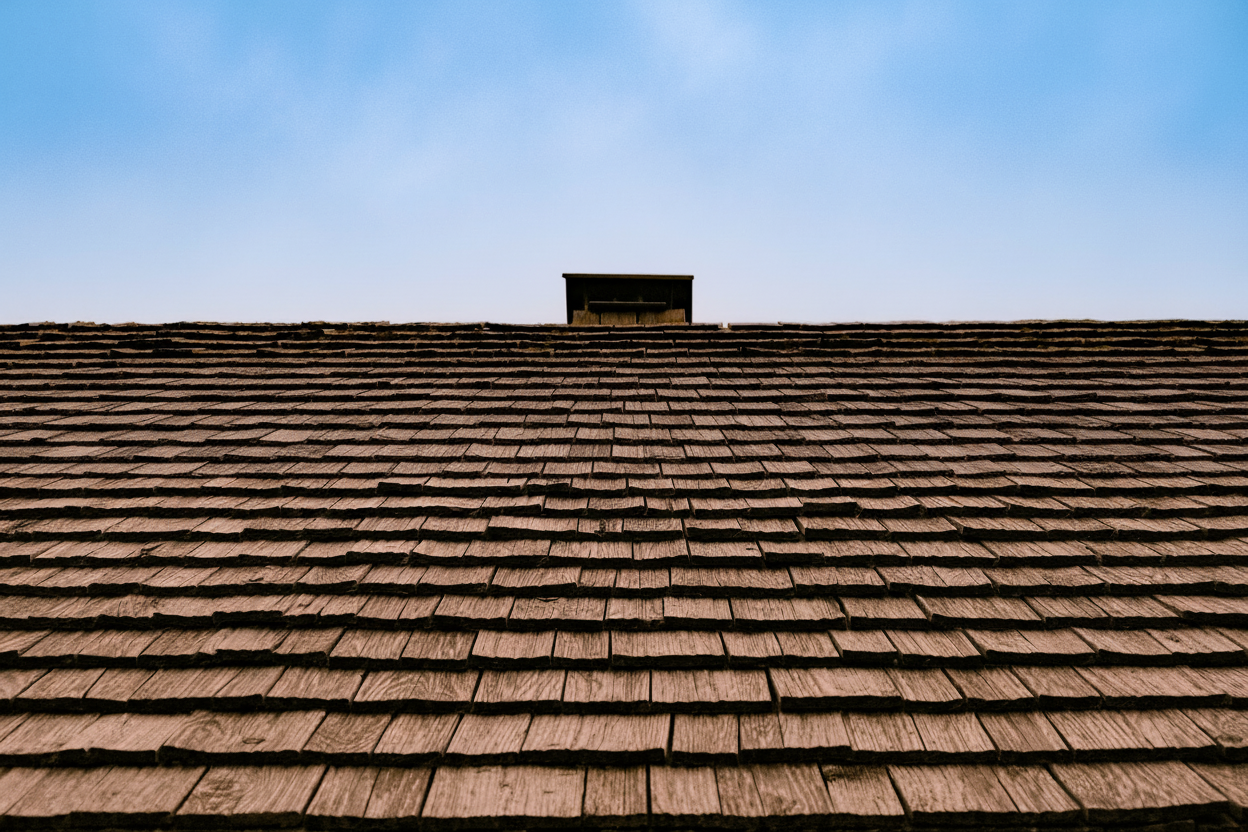
Alt text: Professional performing roof maintenance and cleaning on residential property
Roof maintenance planning guide
Organizing your maintenance tasks by season helps ensure nothing gets overlooked. Use this table to plan your annual roof care schedule:
| Season | Key Tasks | Frequency |
|---|---|---|
| Spring | Full inspection, gutter cleaning, check for winter damage | Annual |
| Summer | Trim vegetation, check attic ventilation, look for heat damage | Annual |
| Fall | Clear debris, inspect before winter, clean gutters again | Annual |
| Winter | Monitor for ice dams, remove heavy snow if needed | As needed |
Keeping a maintenance log helps you track completed tasks and identify patterns over time. Note the date of each inspection, any issues found, and repairs completed. This documentation proves valuable when selling your home or filing insurance claims.
Understanding typical roof repair costs helps you budget appropriately for maintenance and unexpected repairs. Setting aside funds specifically for roof care ensures you can address issues promptly without financial stress.
Most roofing experts recommend budgeting 1-3% of your home’s value annually for all maintenance, including roof care.
Common maintenance mistakes to avoid
Even well-intentioned homeowners sometimes make mistakes that can damage their roofs or void warranties. Learning from these common Florida roof maintenance mistakes helps you avoid costly errors.
Never pressure wash your roof without professional guidance. High-pressure water can damage shingles and force water underneath roofing materials. Similarly, walking on your roof unnecessarily can cause damage, especially on older or more fragile roofing systems.
Ignoring small problems is another common mistake. That tiny leak or single missing shingle might seem manageable, but water damage spreads quickly. When you notice issues, deciding whether to repair or replace your roof requires careful assessment of the damage extent and your roof’s overall condition.
Skipping professional inspections to save money often backfires. Professionals have the training and equipment to spot problems you might miss. Their expertise can identify issues before they become emergencies, ultimately saving you money.
FAQ
How often should I schedule professional roof inspections?
What are the most important things to check during a roof inspection?
Can I perform roof maintenance myself or should I hire professionals?
